-
How Can You Create a Resort-Like Atmosphere in Your Own House?
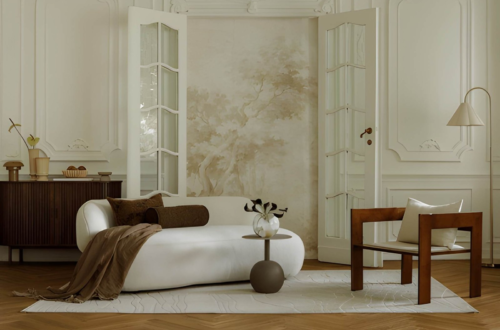
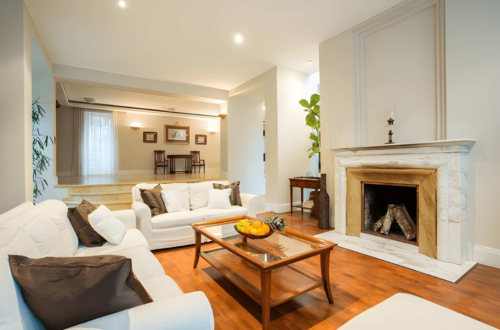
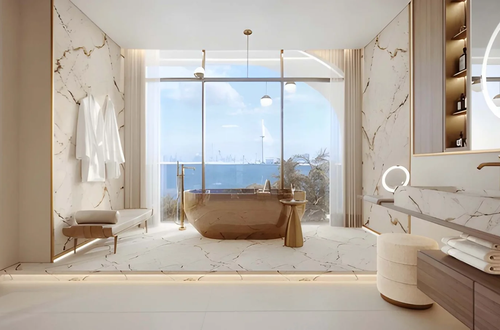
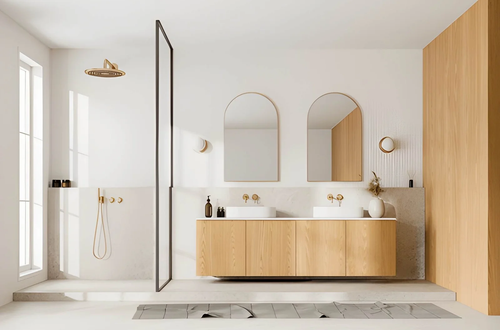
Most people notice the difference the moment they check into a well-designed hotel or resort. Something about the space immediately shifts their mood — they feel calmer, more present, slightly more elevated than they did in the car on the way there. The bed looks inviting before they’ve touched it. The bathroom feels like a ritual is about to happen rather than a function. The lighting is warm in a way that makes everything look better, including themselves. Then they come home to a house that feels like the opposite of all of that — not because it’s worse in any objective sense, but because it hasn’t been deliberately designed…
-
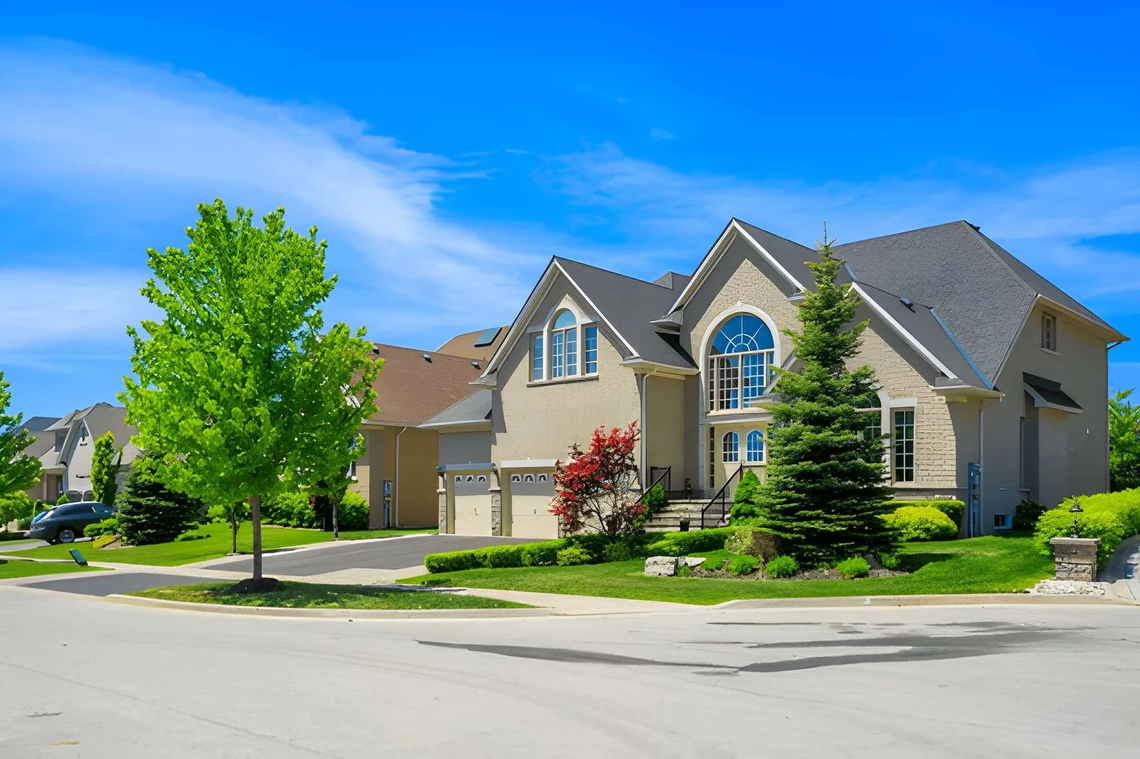
Could Your Roof Be the Missing Element in Your Home’s Design?
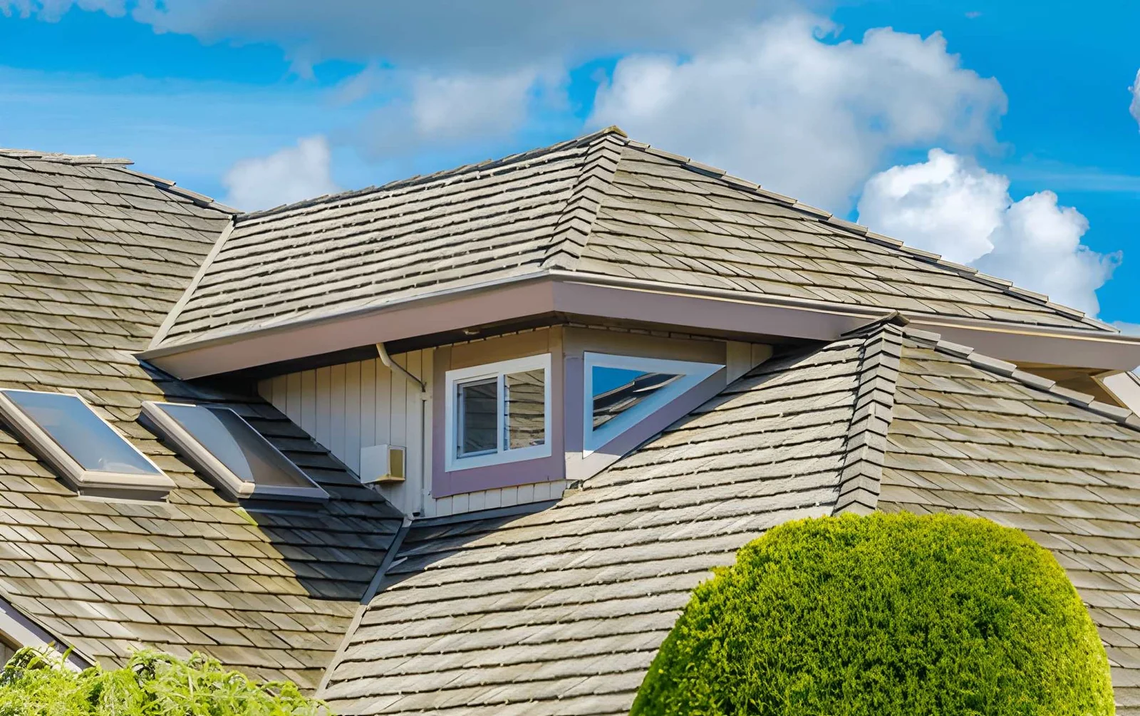
Of all the elements that determine how a home looks from the street, the roof is the largest single surface — typically covering 40 to 50% of a smart home‘s visible exterior area when viewed from a slight elevation. It’s the element that most directly communicates a home’s architectural character, its relationship to its site, and whether it reads as a considered design or simply a structure that exists to keep water out. And yet most US homeowners treat the roof as a purely functional element — something to maintain, repair when necessary, and replace with whatever the roofing contractor recommends when the time comes. The idea that roof choices…
-
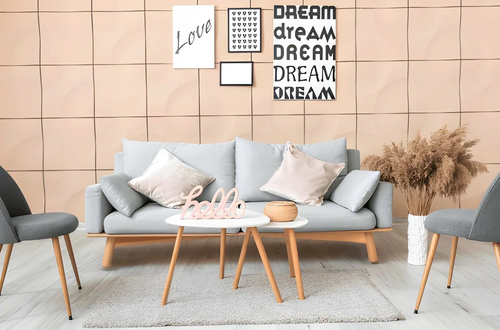
What Are the Secrets Behind Stunning Open-Plan Interiors?
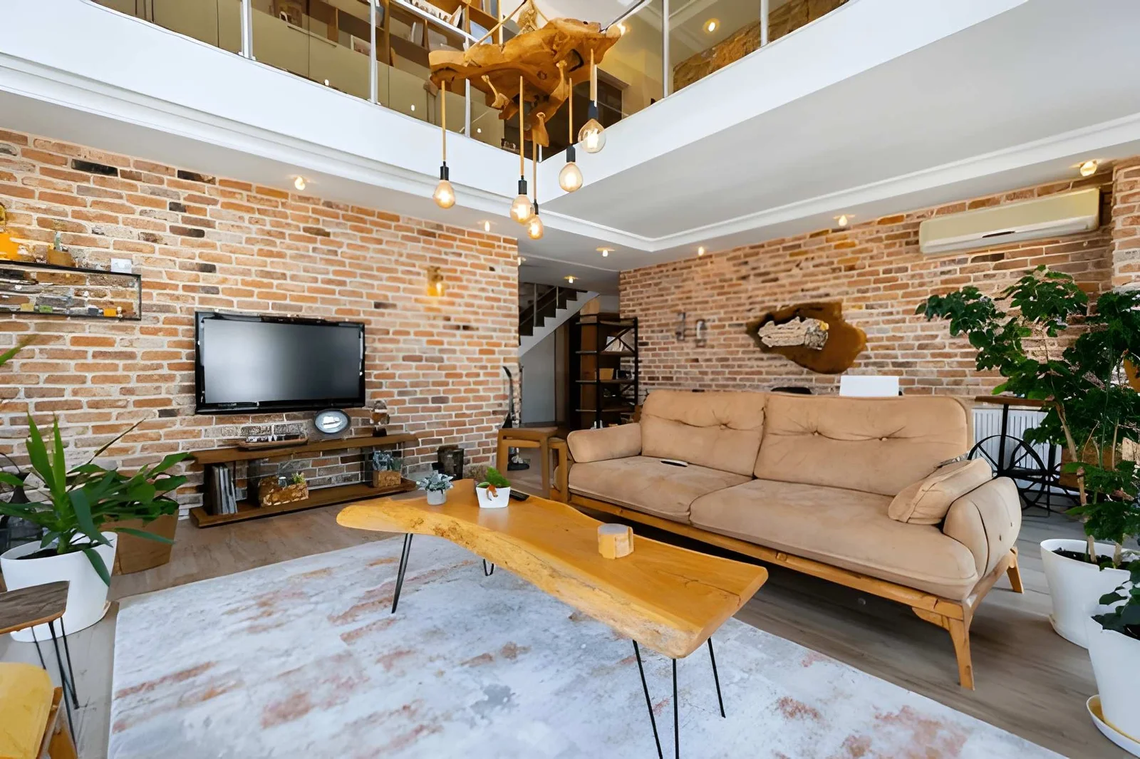
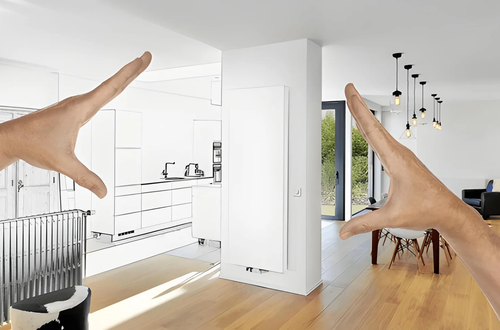
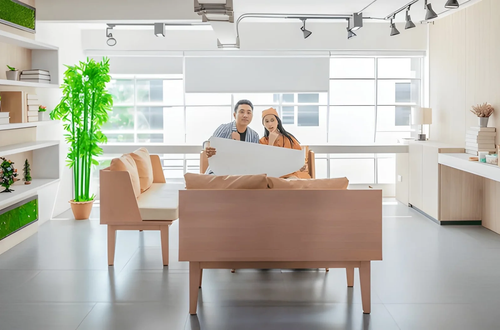
Open-plan rooms look effortless in photos and feel awkward in real life more often than anyone admits. The sofa floats in the middle of nowhere, the kitchen noise follows you everywhere, and the whole space reads as one big, undecided box. Yet some open-plan interiors feel calm, generous, and quietly sophisticated. What are the secrets behind stunning open-plan interiors? The answer is less about square footage and more about structure. The best open-plan interiors use invisible boundaries to tell each area what it is for, while a shared thread of color, material, and light ties everything together. This article explains those secrets in a practical order. You will find a…
-
How Do You Turn an Unused Corner Into a Functional Space?
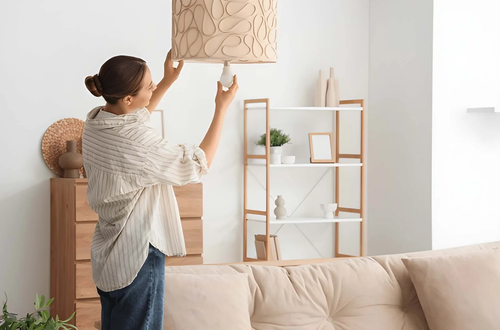
Almost every home has one. A spot beside the sofa where a lonely plant is dying, or a bedroom corner that collects laundry and bags. You walk past it daily and feel a small pang of wasted potential. The good news is that corners are often the easiest part of a room to fix, because they already come with two walls built in. So how do you turn an unused corner into a functional space without buying a pile of furniture? This guide gives you a step-by-step method that works in apartments, family homes, and offices. You will measure the corner with three simple numbers, match it to a job…
-
Can Natural Materials Give Your Property a Timeless Character?
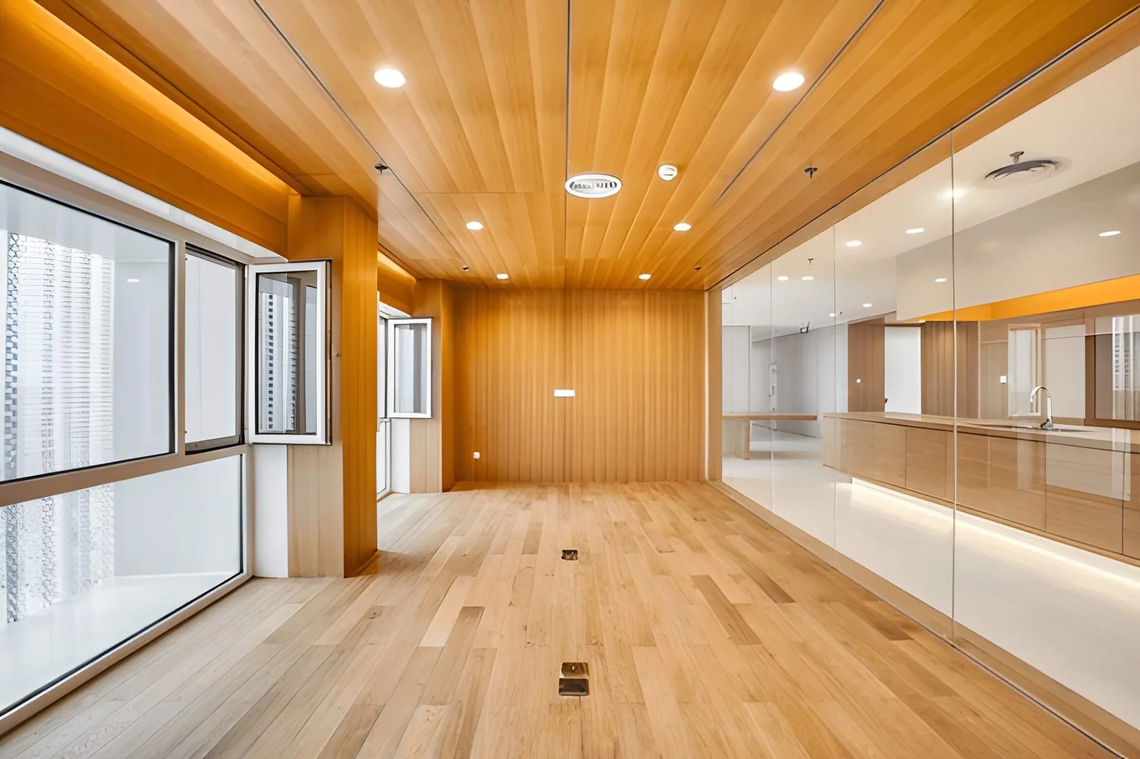
There’s a category of homes that seem immune to the design cycle — properties that look as considered and as right in photographs from thirty years ago as they do today, and that will presumably look equally timeless thirty years from now. They’re not frozen in a particular era’s aesthetic. They don’t look dated or cutting-edge. They look like themselves, in a way that requires no contextual adjustment to appreciate. The most consistent characteristic these properties share is natural materials. Stone walls. Timber frames. Hardwood floors. Brick exteriors. Slate roofs. Copper flashing aged to patina. These aren’t materials that resist time — they’re materials that improve with it. They develop…
-
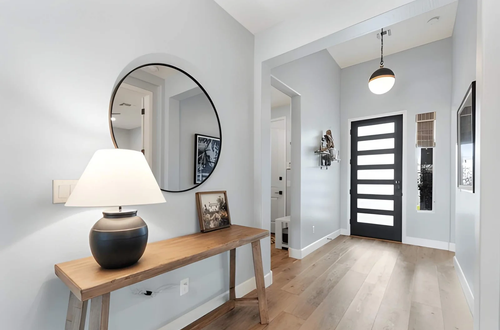
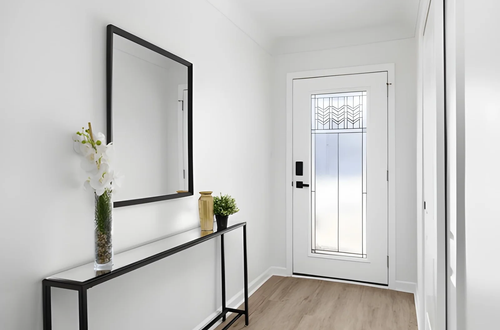
What Makes a Front Entrance Instantly Captivating?
The front entrance of a home does something no other part of the property does: it forms the first impression before anyone has stepped inside. In the first seconds of approach, a visitor is absorbing information about the home and its occupants — whether the space feels welcoming or guarded, considered or neglected, personally expressive or architecturally anonymous. That absorption happens faster than conscious evaluation and leaves an impression that shapes everything experienced afterward. Most US homeowners treat the front entrance as a functional zone — a pathway to the door, a place for a doormat, maybe a potted plant or two. The homes that stop people on the street,…
-
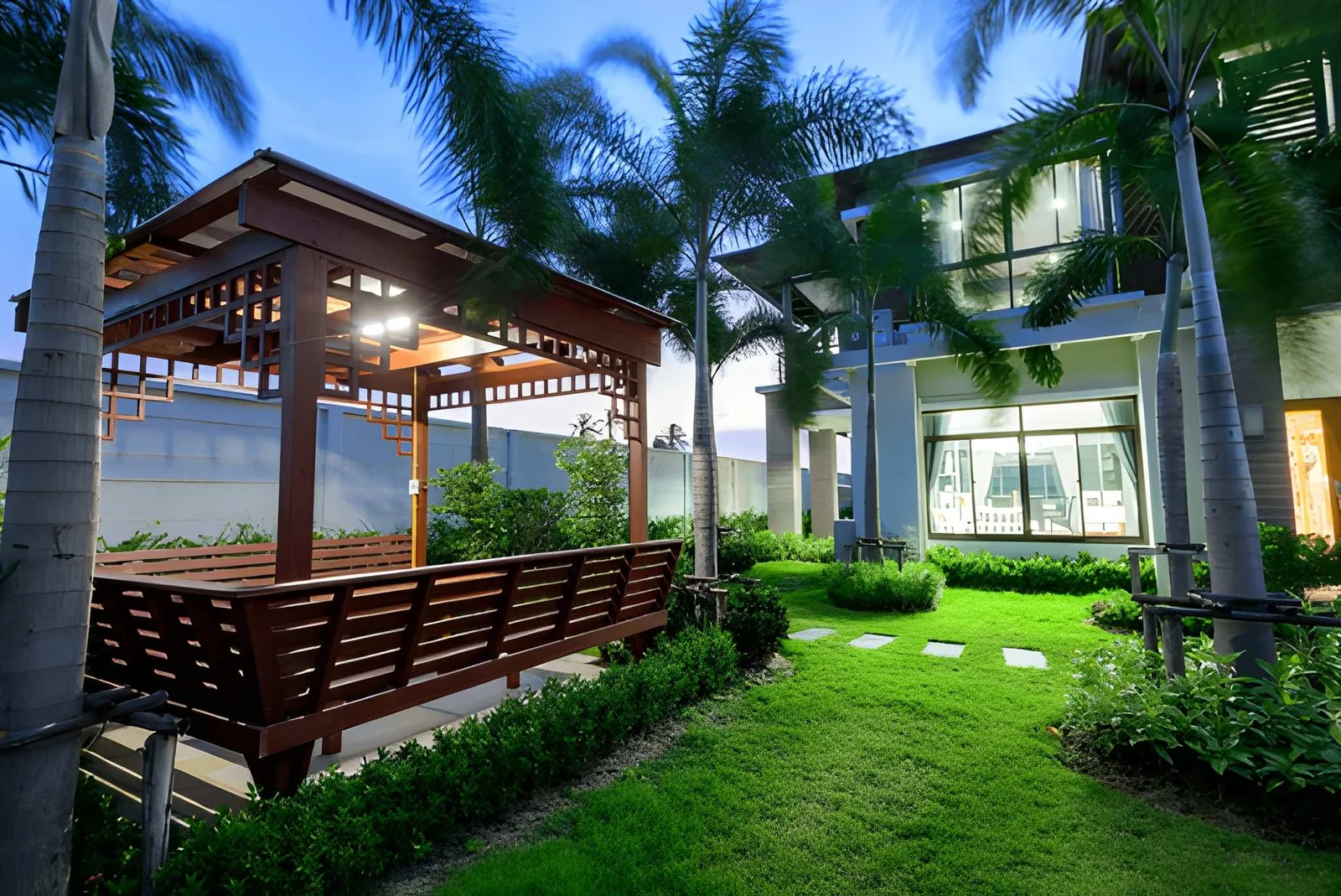
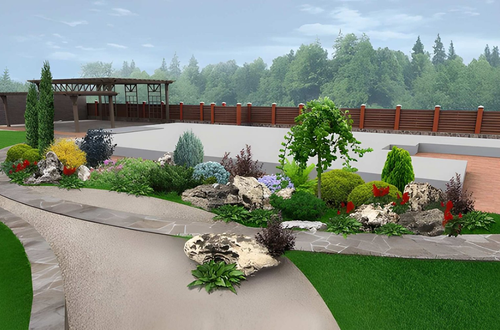
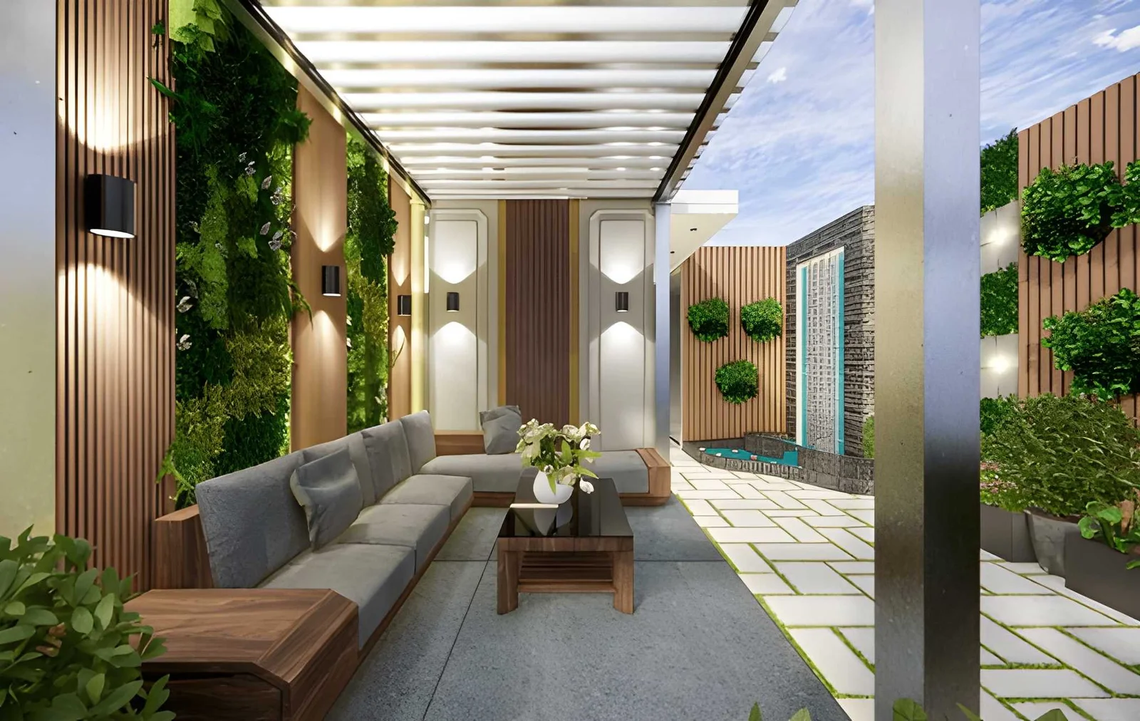
How Do Architects Create Breathtaking Outdoor Living Spaces?
There’s a specific quality that professionally designed outdoor living spaces have that most residential backyards don’t — and it’s not the budget difference, though budget plays a role. It’s the architectural thinking behind the space. The deliberate decisions about how the outdoor area connects to the interior. How movement through the space is organized. Where shade falls and when. What the view from inside the home reveals. How the space reads at night versus at midday. Most US homeowners approach outdoor improvement as a decoration and purchasing problem: what furniture to buy, what plants to add, what lighting to install. Architects and landscape architects approach it as a spatial design…
-
Which Design Secrets Give Expensive Properties Their Distinctive Appeal?
Step into a high-value property and the feeling arrives before you can explain it. The air seems calmer. Doors close with a soft, solid sound. Light falls gently across the walls, and nothing seems to be shouting for attention. Buyers often describe this as “quality” or “presence”, but it comes from specific decisions that architects and designers make well before furniture arrives. The design secrets of expensive properties are less mysterious than they appear, and many can be borrowed for ordinary homes. They sit in proportion, ceiling height, material depth, concealed storage, layered lighting and a discipline that most people find hard: leaving things out. This article explains the main…
-
Can Clever Space Planning Completely Change Your Home?
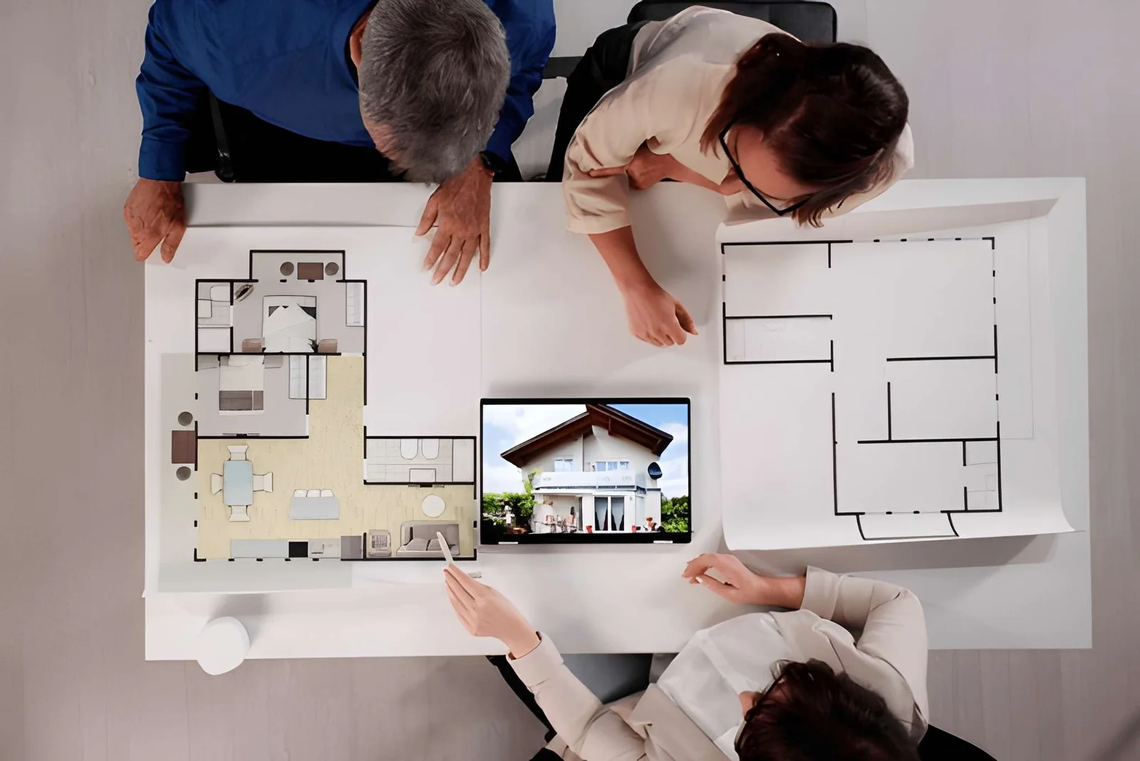
You can spend thousands on a new sofa and still hate the room. That usually means the problem was never the sofa. It was where it sits, what it blocks and how people have to walk around it. Layout shapes every minute you spend at home: how easily you cook, how well a room hosts guests, whether a small flat feels airy or cramped. So, can clever space planning completely change your home? In most cases, yes, and it often costs nothing but a free afternoon and a tape measure. Designers plan space before they choose a single finish, because a good layout makes average furniture work and a poor…
-
What Makes an Ordinary House Look Like an Architectural Masterpiece?
Drive down any street and you’ll spot one house that makes you slow down. It’s not always the biggest or the newest. Often it sits on the same plot size, with the same number of windows and the same pitched roof as its neighbours. Yet something about it feels resolved, as if every line was decided on purpose. That quality is what separates a house from a piece of architecture. Understanding what makes an ordinary house look like an architectural masterpiece helps whether you’re renovating, building or just curious why some homes photograph so well. The answer is rarely a single feature. It’s a set of decisions about proportion, materials,…