
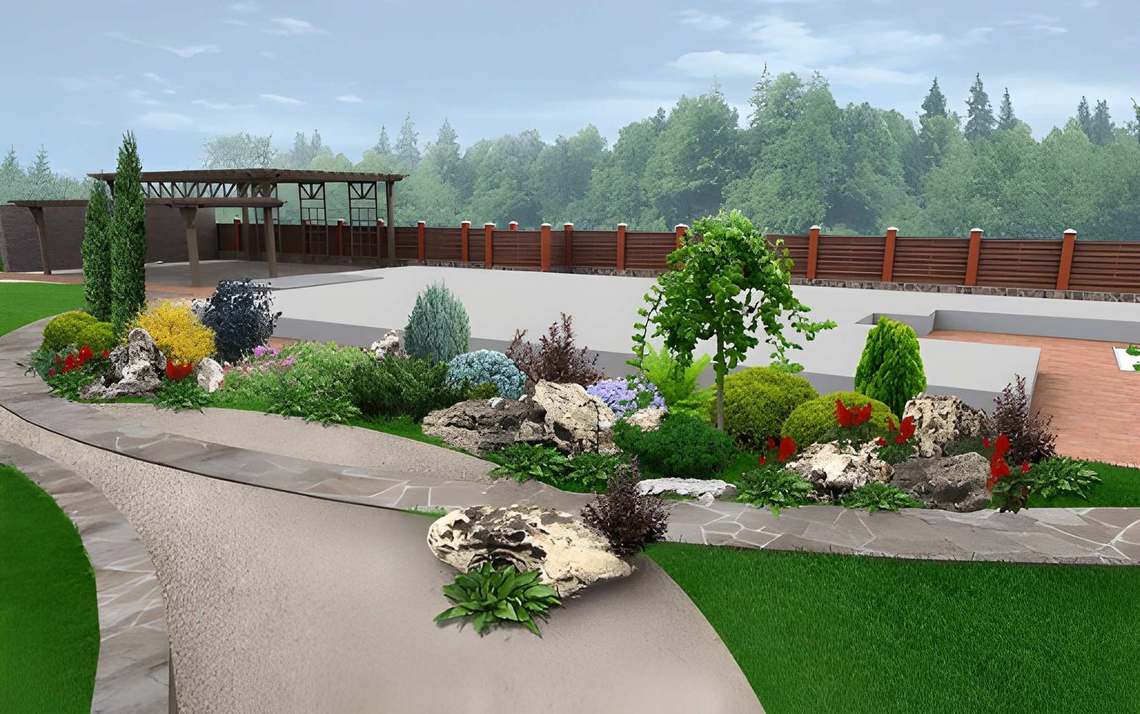
What Are the Best Decoration Tips Decoradyard Lovers Actually Use?
Most decoration advice sounds good in theory and falls apart in practice. Buy a statement piece. Add greenery. Layer your textiles. The problem isn’t that this advice is wrong — it’s that it’s incomplete. It tells you what to do without telling you why it works or how to apply it to spaces that don’t look like magazine photoshoots.
Decoration tips decoradyard enthusiasts actually use are different. They’re rooted in spatial logic, material knowledge, and an understanding of how real spaces — with awkward proportions, limited budgets, and competing functional demands — actually behave. These aren’t aspirational suggestions. They’re repeatable principles that work in French apartments, suburban homes, and outdoor spaces of every size and style.
This guide covers the specific decoration tips that experienced decoradyard lovers apply consistently — from how they approach a blank space to how they know when to stop. It includes outdoor and indoor applications, budget considerations relevant to French homes, and a clear framework for making decoration decisions that hold up over time rather than feeling dated in two seasons.
Why Most Decoration Tips Fail in Real Spaces
Generic decoration advice fails for one consistent reason: it treats every space as if it has the same proportions, the same light, and the same functional demands. It doesn’t.
The decoration tips decoradyard lovers return to repeatedly work because they start with the specific conditions of the actual space — not an idealized version of it.
| Common Decoration Mistake | Why It Fails | The Decoradyard Fix |
|---|---|---|
| Buying décor before measuring | Pieces wrong scale for space | Measure first, shop second — always |
| Following trends without context | Dated quickly, feels impersonal | Choose trend-neutral base, trend accents |
| Adding without editing | Space feels cluttered not curated | Remove one piece for every two added |
| Ignoring light conditions | Colors and materials read differently | Test in actual light before committing |
| Decorating indoors and outdoors separately | Disconnected visual language | Extend indoor palette to outdoor space |
| Prioritizing aesthetics over function | Space looks good, doesn’t work | Function first, then layer aesthetics |
The Best Decoration Tips Decoradyard Lovers Actually Use
Start With the Floor and Work Upward
Every well-decorated space — indoor or outdoor — is anchored from the floor up. In interior spaces, that means the rug defines the zone before any furniture is placed. In outdoor spaces, it means the ground surface — paving, gravel, decking, grass — sets the material palette that everything else responds to.
Decoration tips decoradyard enthusiasts consistently apply: choose the floor material or rug first, then build the color palette from it. This single habit prevents the most common decoration mistake — buying pieces that don’t relate to each other because they were chosen in isolation.
The One-Third Rule for Outdoor Spaces
Outdoor spaces in French homes — whether a Parisian balcony, a provincial courtyard, or a garden terrace — follow the same spatial logic as indoor rooms. The one-third rule: no single element should occupy more than one-third of the available space visually.
A large planter that dominates a small balcony breaks the rule. A seating group that fills two-thirds of a terrace leaves no visual breathing room. The best-decorated outdoor spaces have one dominant element, one secondary element, and deliberate open space — exactly the same hierarchy that makes interior rooms feel curated rather than crowded.
| Outdoor Space Size | Dominant Element | Secondary Element | Open Space |
|---|---|---|---|
| Small balcony (under 8 sqm) | Seating for two | One planter cluster | Half the floor visible |
| Medium terrace (8–20 sqm) | Dining set or lounge | Planters plus lighting | One clear sightline |
| Large garden (20+ sqm) | Defined seating zone | Secondary activity zone | Lawn or gravel buffer |
| Courtyard | Central feature (fountain, tree, table) | Perimeter planting | Center kept open |
Layer Lighting Before Adding Any More Décor
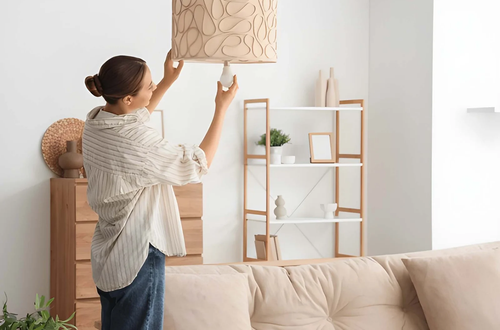
This is the decoration tip most people skip — and the one that changes a space more than any object purchase. Before adding another cushion, another plant, or another decorative object, add a light source.
In outdoor spaces specifically, lighting is what separates a garden that’s usable only during daylight from one that becomes the best room in the house after dark. String lights, solar lanterns, low-voltage path lights, and candle clusters cost relatively little and transform how a space reads entirely.
For room-by-room and space-by-space decoration guidance built around French home layouts and outdoor living conditions, decoratoradvice.fr approaches these principles with the specificity that generic decoration blogs rarely reach.
Edit More Than You Add
The decoration tips decoradyard lovers use most consistently isn’t about what to add. It’s about what to remove.
Every decorated space reaches a point where the next improvement comes from subtraction rather than addition. A terrace with twelve mismatched plant pots looks less finished than one with five well-chosen ones. A living room with too many throw pillows loses the effect of any individual piece. The editing instinct — asking “what can come out?” before asking “what can go in?” — is what separates curated spaces from cluttered ones.
The practical rule: before buying anything new for a space, remove one item that isn’t working. If the space improves with that removal, you’ve identified the real problem. If it still needs something after the removal, now you know what type of thing to look for.
Decoration Tips by Space Type
| Space Type | First Priority | Common Mistake | Decoradyard Fix |
|---|---|---|---|
| Small indoor room | Scale — right-sized furniture | Overcrowding with small pieces | Fewer larger pieces, not more small ones |
| Large indoor room | Zones — defined activity areas | Furniture against all walls | Float furniture, create groupings |
| Small balcony | Vertical space — wall planters, hanging lights | Filling floor with too many items | Use vertical surfaces, keep floor clear |
| Garden terrace | Anchor piece — table or lounge | No focal point, scattered pieces | One dominant element, everything relates to it |
| Courtyard | Center feature — tree, water, table | Perimeter-only decoration | Feature in center, decoration responds to it |
| Front yard / entry | First impression — path, planting, lighting | Neglected in favor of back garden | Entry gets the same attention as main space |
Seasonal Decoration Without Starting Over
One of the most practical decoration tips decoradyard enthusiasts apply is building a base that works year-round and rotating only the accent layer seasonally. This approach is particularly relevant in France where outdoor spaces are used from spring through autumn and need to transition without complete redecoration.
The base layer — furniture, large planters, permanent lighting, structural plants — stays consistent across seasons. These are the investments that justify quality spending.
The accent layer — cushion covers, small seasonal plants, candles, throws, table linens — rotates with the season at low cost. Changing these elements completely transforms the feel of a space without touching the base.
| Layer | Examples | Changes Seasonally? | Investment Level |
|---|---|---|---|
| Structural base | Furniture, large pots, fixed lighting | No | High — buy quality |
| Plant base | Evergreen shrubs, perennial plants | No | Medium |
| Seasonal plants | Annuals, bulbs, herbs | Yes — each season | Low |
| Textile accents | Cushions, throws, table linens | Yes — 2–3 times per year | Low |
| Lighting accents | Candles, seasonal string lights | Yes | Very low |
Frequently Asked Questions
What is the most important decoration tip for a small French balcony?
Vertical space. Wall-mounted planters, hanging lights, and a folding table that stores flat when not in use make a small balcony functional and visually complete without overwhelming the floor area. Keep at least half the floor surface visible — crowding a small balcony with objects makes it feel smaller than it is.
How do decoration tips for indoor spaces apply to outdoor rooms?
The core principles are identical: anchor from the floor up, create a focal point, layer lighting at multiple heights, and edit more than you add. The materials change — weather-resistant fabrics, outdoor-rated lighting, frost-tolerant plants — but the spatial logic transfers directly.
How often should you update outdoor decoration?
The structural base should last five to ten years with proper maintenance. The accent layer — cushions, seasonal plants, candles, small accessories — can be refreshed twice a year (spring and autumn) at low cost. Avoid the temptation to completely redo a space every season — it’s expensive and rarely improves on a well-considered base.
What is the decoration tip that makes the biggest difference for the least money?
Lighting — specifically adding one or two outdoor light sources to a space that currently has none. String lights above a terrace, a solar lantern beside a seating area, or candles on a table after dark transform how a space reads and how long people stay in it. No single purchase delivers more atmosphere per euro spent.
The Direct Answer
The best decoration tips decoradyard lovers actually use come down to five consistent habits: start from the floor up, apply the one-third rule to prevent overcrowding, add lighting before adding more objects, edit ruthlessly before buying anything new, and build a permanent base that seasonal accents rotate around.
These aren’t complicated principles. They’re just uncommonly applied — which is exactly why the spaces that follow them look deliberately designed while everything else looks like decoration that happened to accumulate.
for more decoration tips visit https://decoratoradvice.fr/

Jessica X
Writer at DecoratorAdvice com, sharing practical home design insights, décor trends, and expert tips to help readers create beautiful, functional living spaces.




One Comment
Pingback: