
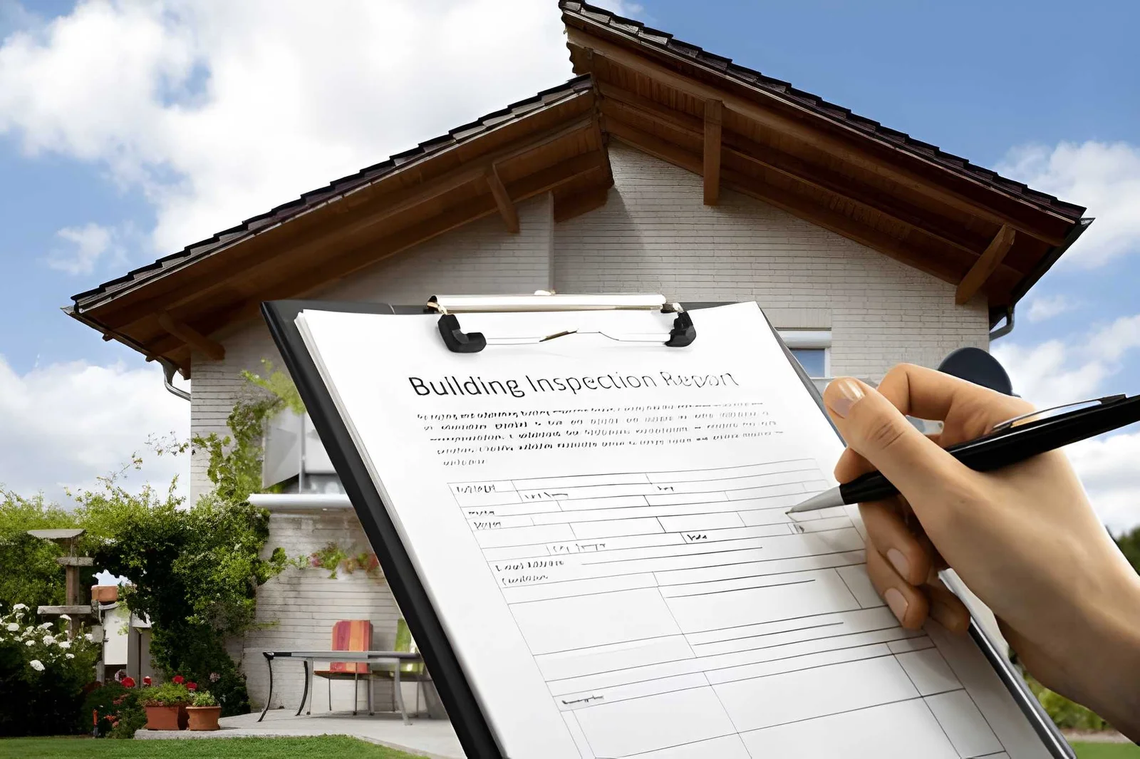
How Do Building Inspection Reports Reveal Problems That Ordinary Walkthroughs Miss?
A buyer walks through a house three times. The kitchen is bright, the floors are clean, and the paint is fresh. Then the inspector opens the attic hatch, finds wet insulation under a leaking roof flashing, and writes it down with a photo. Nothing about the house changed between the walkthrough and the report. What changed was who looked, what they looked with, and where they were willing to go. So how do building inspection reports reveal problems that ordinary walkthroughs miss?
This article explains the gap in plain terms. You will find a quick answer, a table comparing what you see with what an inspector finds, a list of limits, a guide to reading the report, a short plan for getting more from the inspection, and the mistakes that leave buyers with surprises. It suits buyers, sellers, and owners across the US. Read the quick answer first, then use the sections that fit your situation.
How Do Building Inspection Reports Reveal Hidden Problems?
Building inspection reports reveal problems because a trained inspector looks at hidden areas, uses instruments, and records findings in a structured way. The inspector relies on what is visible to a trained eye, supplemented by simple instruments such as a moisture meter, occasionally a thermal camera, and an outlet tester. The report then ranks and documents what was found.
What a Walkthrough Sees vs. What a Report Finds
| Area | Ordinary walkthrough | Inspection report |
|---|---|---|
| Attic | Rarely entered | Insulation, ventilation, and past moisture are recorded |
| Crawl space or basement | Often skipped | Moisture, structure, and access are checked |
| Electrical | Switches and lights | Panel, wiring, and outlets tested |
| Roof and exterior | Seen from the street | Flashing, grading, and drainage assessed |
| Moisture | Visible stains only | Meter readings and flagged patterns |
Grading that slopes toward the foundation, downspouts that discharge at the base of walls, and low spots that pool water all push moisture toward the home. A walkthrough rarely catches that. The report does.
Why Tools Matter
Infrared cameras show temperature patterns, but anomalies are verified by other means, such as a moisture meter. Outlet testers reveal wiring faults that look normal. A flashlight, a ladder, and a moisture meter often matter more than expensive equipment.
What a Report Cannot Tell You
Reports have limits. An inspection is not technically exhaustive. The work is non-invasive, and it is not a code compliance inspection. Cosmetic preferences, future predictions, and code compliance certification fall outside the job.
| Limit | What to do |
|---|---|
| Hidden behind walls | Ask about thermal imaging, or open-wall inspection if renovating |
| Many inspectors do not pull panel covers or load-test circuits | Ask about the panel specifically, or hire an electrician |
| Seasonal issues | Dry-season inspections can miss problems that show up after rain |
| Pests | Wood-destroying organism inspections are separate and often required for VA loans |
| Sewer line, radon, lead, or structural doubt | Hire a specialist |
Quality varies too. In one consumer study, some firms tested only a sample of outlets, fixtures, and windows. Ask what your inspector tests.
How to Read the Report
| Category | Meaning | Typical action |
|---|---|---|
| Safety | Risk to people | Fix before closing, or negotiate |
| Major defect | Costly or structural | Get a specialist opinion |
| Maintenance | Needs attention soon | Plan and budget |
| Cosmetic | Appearance only | Optional |
Read the summary, then the details and photos. Ask which items need a specialist, and get contractor quotes before negotiating.
Get More From Your Inspection
- Clear access. A blocked attic hatch or a crawl space too tight to enter limits the evaluation.
- Attend the inspection, and ask questions.
- Share concerns, such as past leaks or smells.
- Confirm the scope and the standards used.
- Order add-ons early, such as sewer scope, radon, or pests.
Mistakes to Avoid
The most common mistake is treating the report as a pass or fail. Another is skipping the walk-through with the inspector. Ignoring limited-access notes is a third error. Hiring on price alone is risky. Finally, don’t skip specialists when the report recommends them.
FAQ
Does a report guarantee the house is safe?
No. It documents conditions on the day of inspection.
Should sellers get an inspection?
It can help you fix issues before listing.
Bottom Line: A Report Sees More, But Not Everything
Building inspection reports reveal problems that ordinary walkthroughs miss through access, tools, and training. Use them with an understanding of their limits, add specialists where needed, and attend the inspection. A good report turns hidden problems into decisions.
For building inspection report ideas must visit https://decoratoradvice.fr/

Jessica X
Writer at DecoratorAdvice com, sharing practical home design insights, décor trends, and expert tips to help readers create beautiful, functional living spaces.

You May Also Like

Which Entryway Decor Ideas Make the Best First Impression?

Could One Upgrade Make Your Bathroom Feel Completely Luxurious?