-
How Do Building Inspection Reports Reveal Problems That Ordinary Walkthroughs Miss?
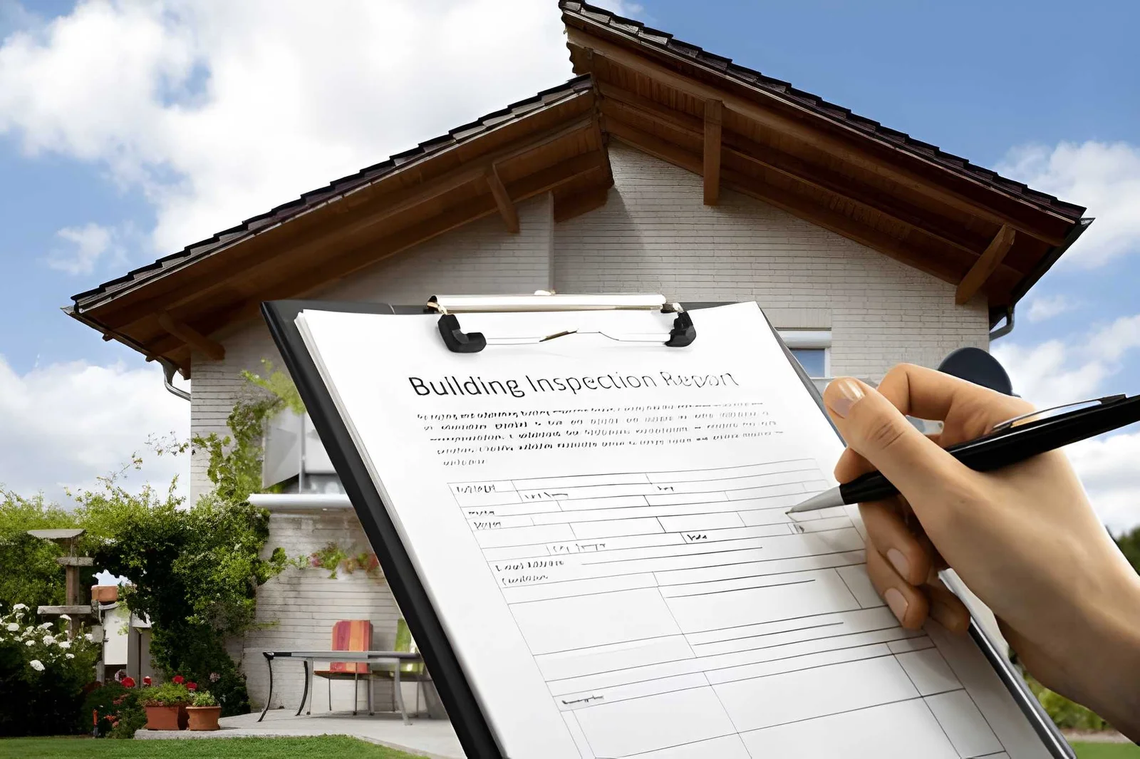
A buyer walks through a house three times. The kitchen is bright, the floors are clean, and the paint is fresh. Then the inspector opens the attic hatch, finds wet insulation under a leaking roof flashing, and writes it down with a photo. Nothing about the house changed between the walkthrough and the report. What changed was who looked, what they looked with, and where they were willing to go. So how do building inspection reports reveal problems that ordinary walkthroughs miss? This article explains the gap in plain terms. You will find a quick answer, a table comparing what you see with what an inspector finds, a list of…
-
What Should You Know About Shared Utility Connections in Multi-Unit Buildings?
A tenant in a six-unit building notices her water bill jumped by half. She runs the same number of loads and takes the same showers. The reason sits two floors down, where a neighbor’s leaking toilet is feeding the same shared meter. In many apartments and condos, one line, one meter, or one shutoff valve serves several households at once. That arrangement works until something goes wrong, or until a bill needs to be divided. So what should you know about shared utility connections in multi-unit buildings? This article explains how shared connections work, how bills get split, who can shut things off, and what to ask before you rent…
-
How Can Homeowners Investigate Repeated Pest Activity Without Guesswork?
The ants come back every spring. The mouse you caught in October has a relative in January. You spray, set traps, buy another product, and the problem returns. Most repeat pest problems are not caused by weak products. They happen because the treatment targeted the pest, while the house kept offering food, water, and a way in. Guessing leads to repeating. So how can homeowners investigate repeated pest activity without guesswork? The answer is to treat it like detective work and keep a simple evidence log. Three questions matter: what is it, how is it getting in, and why is it staying. This guide shows how to answer each one…
-
What Causes Water Pressure to Change Throughout a Residential Property?
Your shower is strong on the first floor and weak upstairs. The kitchen tap runs fine until the dishwasher starts. The hose bib roars in the morning and trickles at dinner. None of this feels random, yet most homeowners treat each problem separately and end up replacing a showerhead that was never the cause. Water pressure is not one number. It changes as water travels from the street to each fixture. So what causes water pressure to change throughout a residential property? The answer lies in the path water follows, and the clues in the pattern. This article walks the path from the street to the faucet, explains what changes…
-
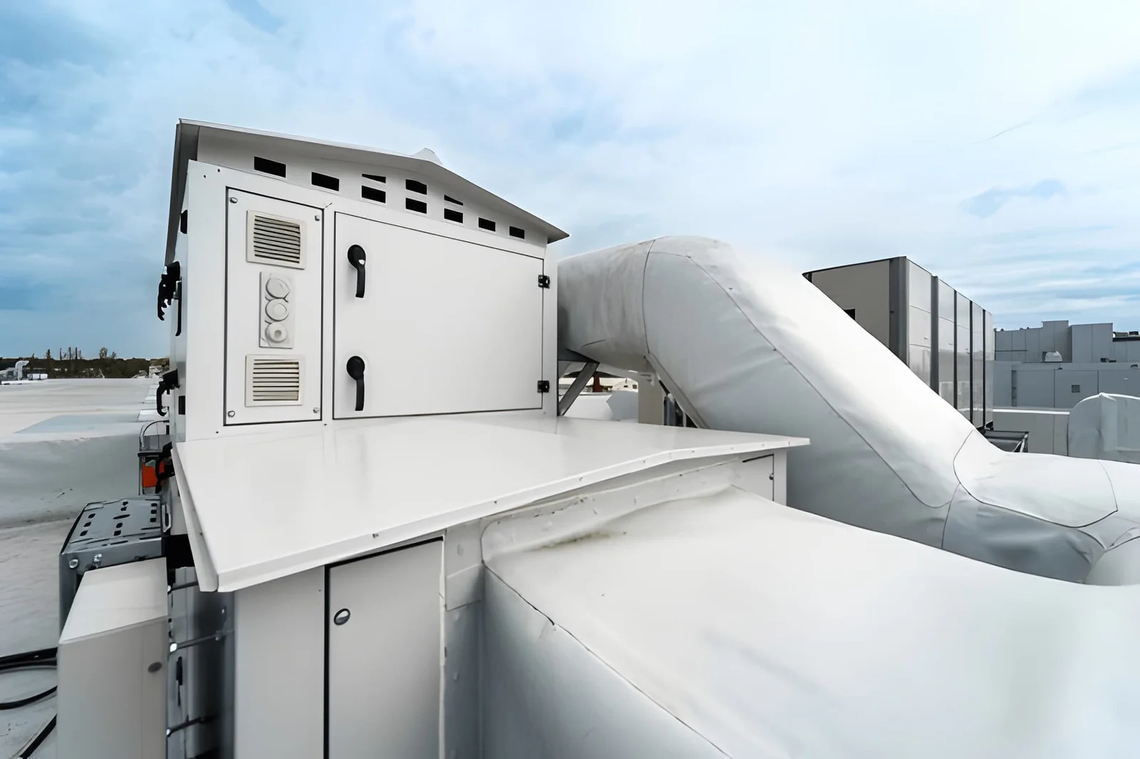
How Do Different Roof Ventilation Systems Affect Attic Temperature?
On a hot July afternoon, the air under your roof can feel like an oven. Sunlight heats the shingles, the heat moves into the attic, and the ceiling below starts to work like a radiator. Homeowners often respond by adding another vent or a powered fan, then wonder why the attic is still hot. The problem is rarely the number of vents. It is how roof ventilation systems work together. So how do different roof ventilation systems affect attic temperature? Every vent type moves air in a different way, and combining them badly can leave parts of the attic stagnant. This article compares the main types, shows the simple sizing…
-
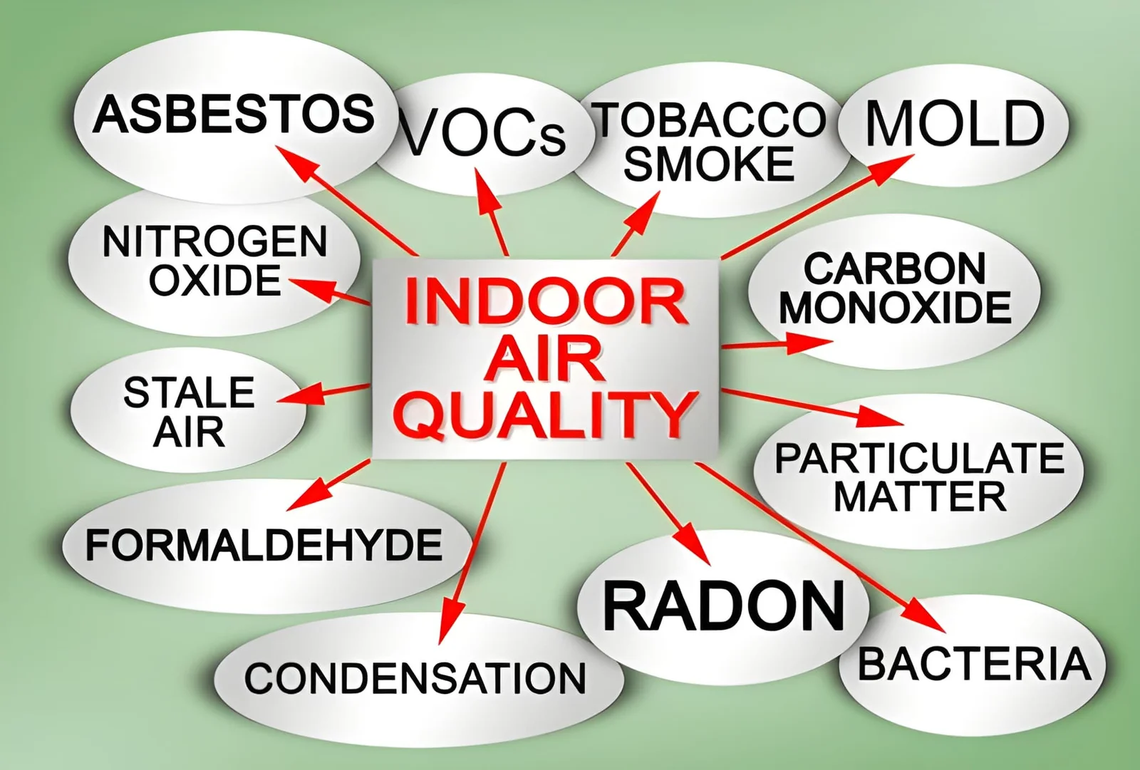
Why Can Indoor Air Quality Change After Installing New Building Materials?
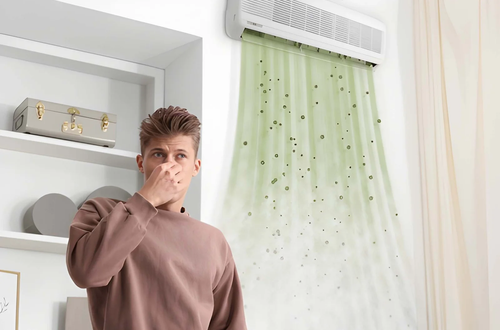
The new floors look perfect. The paint is dry, the cabinets are in, and the house smells strongly of something sharp and sweet. A few days later, someone gets a headache or a scratchy throat, and nobody connects it to the remodel. Tighter, better-sealed homes hold on to whatever the materials release. So why can indoor air quality change after installing new building materials, and what can you do about it? The short answer is that many products release gases for days or weeks after installation. This article explains the process with a simple model of three clocks: how fast materials emit, how long fresh air actually helps, and how…
-
What Should Homeowners Know About Lead Paint in Older Properties?
The danger from old paint is rarely the paint on the wall. It is the dust created when someone sands, scrapes, or tears into it. A weekend repainting job can leave fine lead dust on floors, toys, and window sills, where children can swallow it without anyone noticing. Many owners learn this only after the work is done. So what should homeowners know about lead paint in older properties before they pick up a scraper? This article gives the practical answer for US homes. You will find a quick answer, a table showing how likely lead is by home age, a comparison of testing options, a condition guide that tells…
-
How Does Soil Movement Affect the Stability of Residential Foundations?
A foundation looks like the most solid part of a house, yet it sits on ground that never stops changing. Soil swells when it is wet, shrinks when it is dry, freezes, thaws, washes away, and compacts. A house rides all of that movement, and most of the time it handles it well. Trouble starts when the movement is uneven, so one corner rises or sinks while the rest stays put. Doors begin to stick, and a hairline crack appears. So how does soil movement affect the stability of residential foundations? The answer depends on which way the soil moves and whether the movement repeats or keeps going. This article…
-
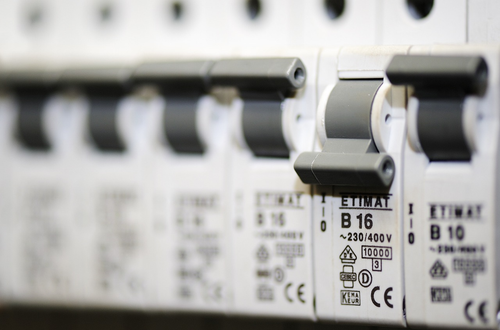
Why Do Electrical Breakers Trip Even When Appliances Appear to Work Normally?
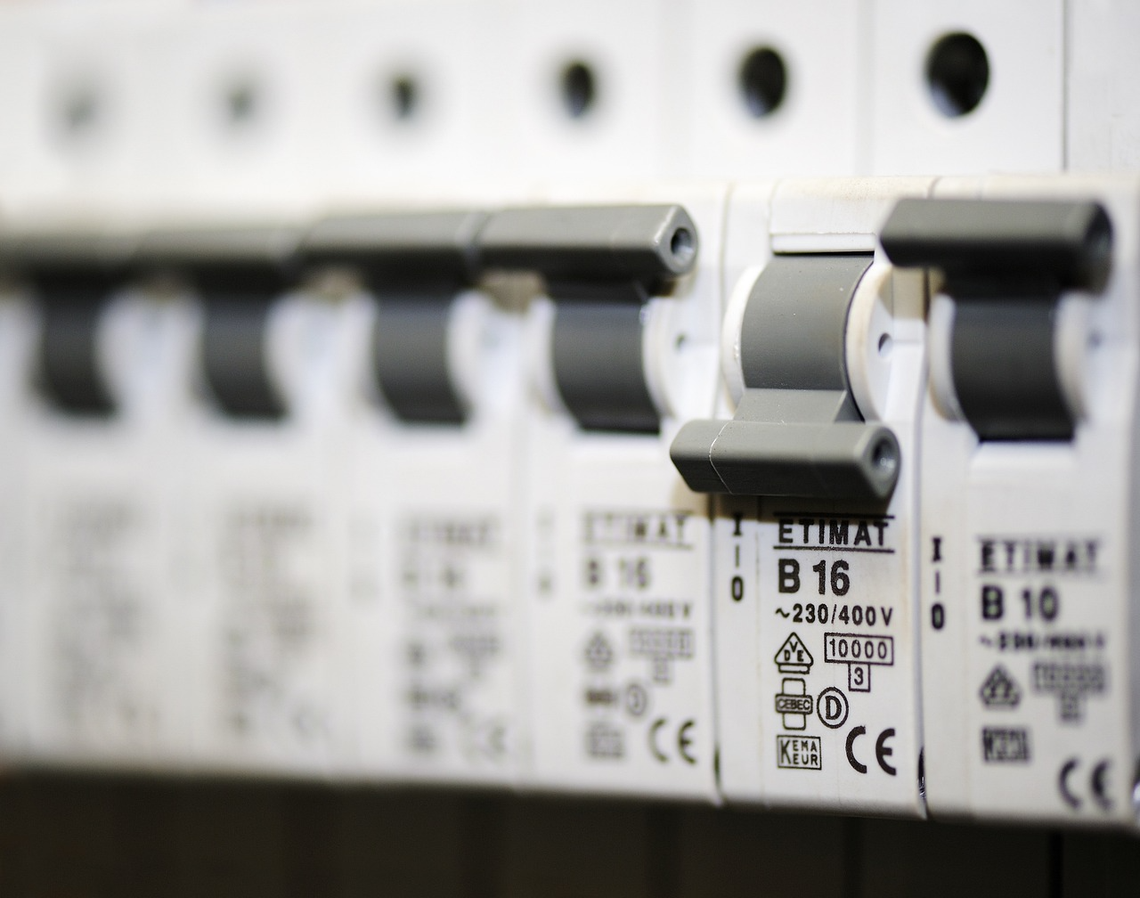
The toaster toasts, the space heater warms, and the dishwasher runs a perfect cycle. Then the breaker clicks off, and everything seems fine again once you flip it back. Because nothing looks broken, most people blame bad luck and keep resetting the switch. That habit is the real risk. A breaker does not check whether an appliance works. It watches the current, the path it takes, and the heat in the wiring. So why do electrical breakers trip even when appliances appear to work normally? The short answer is that a healthy-looking appliance can still push a circuit past its limit, leak current, or sit on a weak connection. This…
-
What Happens When Household Drainage Systems Cannot Handle Heavy Rainfall?
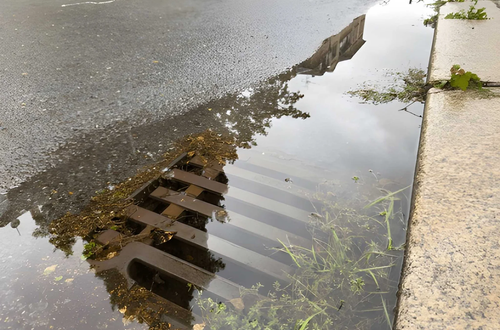
A home’s drainage works like a relay race. The roof passes water to the gutters, the gutters pass it to the downspouts, the downspouts hand it to the yard, and the yard carries it away. In a light shower, every runner keeps pace. In a downpour, one slow handoff is enough to flood a basement. Most owners only learn which runner is weakest after water is on the floor. So what happens when household drainage systems cannot handle heavy rainfall? The damage follows a pattern. Water that has nowhere to go finds the lowest, weakest point of the house, and it usually does so quietly at first. This guide shows…