-
How Can You Recognize Early Signs of Timber Decay Behind Painted Surfaces?
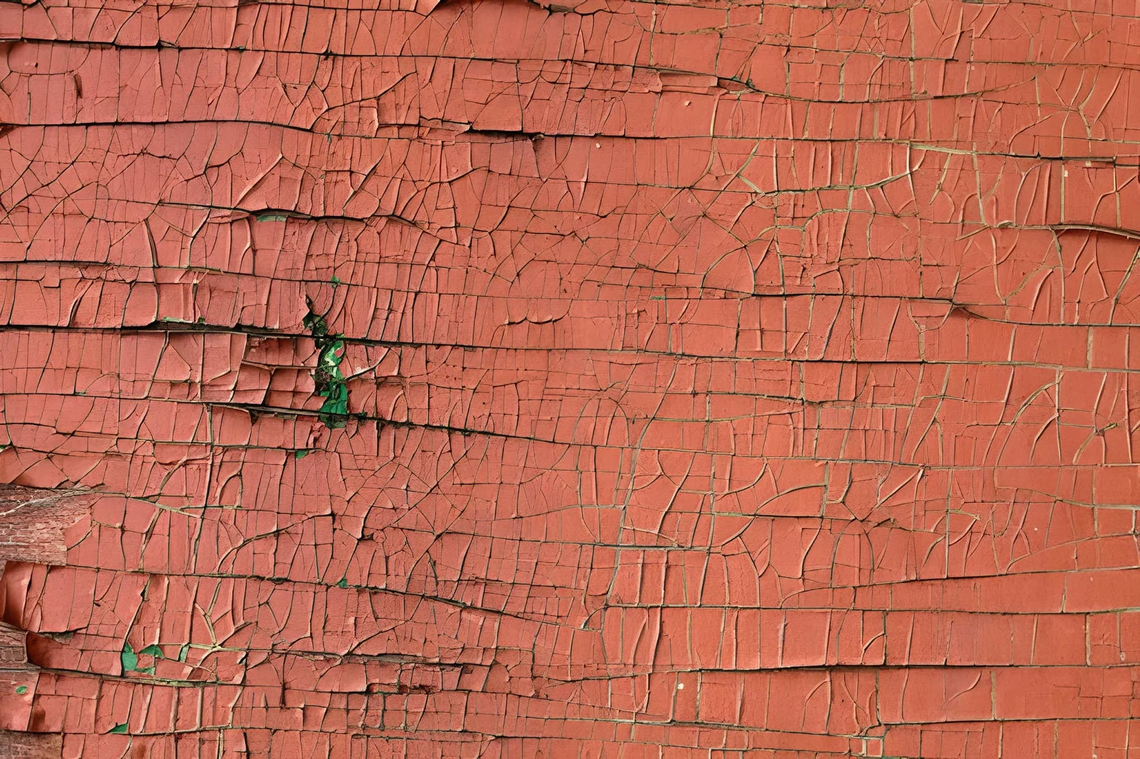
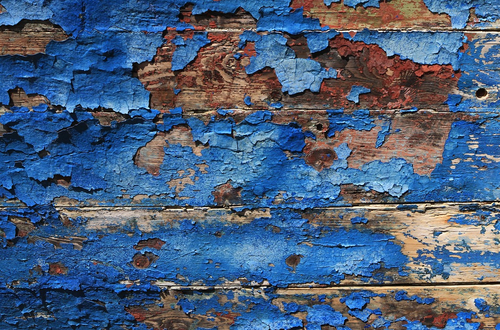
Fresh paint can hide a lot. A window sill looks fine from across the room, yet the wood beneath it has been soaking up water for years. By the time the paint peels in sheets, the rot has often spread past the point of a cheap fix. The costly part of wood decay is not the repair. It is the time between the first sign and the first look. So how can you recognize early signs of timber decay behind painted surfaces? Decay needs moisture, and moisture leaves clues long before paint gives way. This guide shows what to look for, where to check first, and how to confirm a…
-
Why Do Some Exterior Walls Develop White Powdery Deposits?
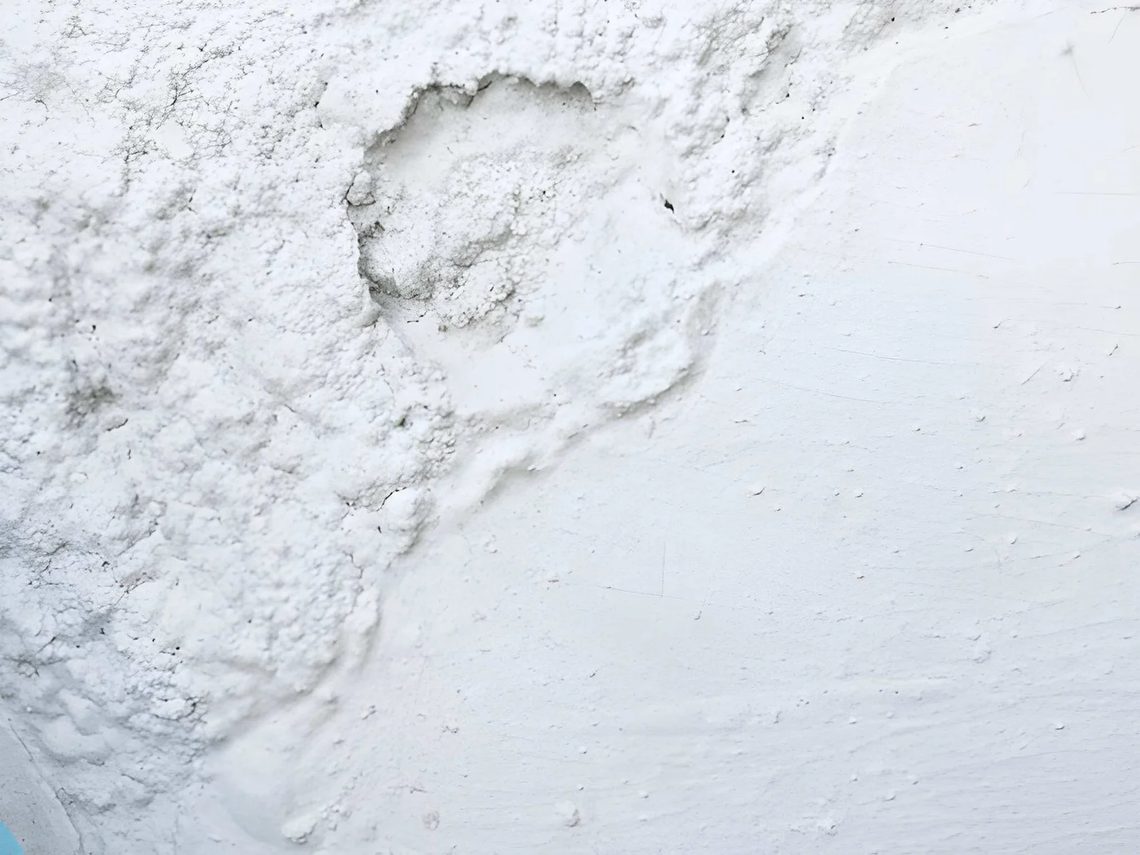
You scrub the white film off the brick on Saturday. By the next rainy week, it is back, as if the wall remembers where it was. Homeowners often blame the paint, the mortar, or a bad batch of bricks. The wall is usually telling you something simpler: water is moving through it. So why do some exterior walls develop white powdery deposits? The deposit is a salt left behind when moisture evaporates at the surface, a process called efflorescence. It is rarely dangerous by itself, but it works like a moisture detector. This guide explains what forms the deposit, how to tell it from mold, how to trace the water…
-
How to Style a Winter Dress and Stay Warm From Commute to Dinner
Most women pack their dresses away in November. Then they spend four months in the same two pairs of jeans. It doesn’t have to work that way. A dress is actually the fastest outfit in winter. One piece, the right tights, good boots, and you’re done before the coffee is ready. The trick is not finding a “warm dress.” It’s building a simple system around the dress you already love. Why Dresses Still Matter in Cold Months Dresses are not a summer-only category. In France alone, the dresses and skirts market generated around €2.46 billion in 2024, according to Statista. The average French shopper buys about 1.2 pieces in this…
-
What Should You Know About Radon Testing Before Purchasing a Property?
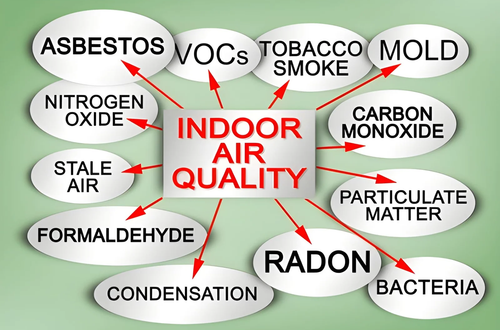
A home inspection can tell you about the roof, the wiring, and the boiler. It cannot see the one hazard that is colorless, odorless, and rising from the ground beneath the floor. Radon is a radioactive gas that seeps from soil into buildings, and the only way to know how much your future home has is to measure it. Buyers often skip the test because the sale feels rushed, or because the house looks perfectly healthy. So what should you know about radon testing before purchasing a property? You need to know what number counts as high, how the test must be done to be valid, how to read a…
-
How Do Seasonal Temperature Changes Affect Residential Plumbing Systems?
Plumbing has no off season. It just changes its problems. In January a pipe in the garage wall freezes. In April the thaw sends the water pressure up and exposes a weak joint. In July the pipes sweat, the irrigation runs, and tree roots go looking for water in the drain line. By October, an outdoor tap you forgot about waits for the first frost. So how do seasonal temperature changes affect residential plumbing systems? Temperature changes the water inside the pipes, the pipes themselves, and the ground around them. This guide explains each effect in plain language. You will find a quick answer, a season-by-season table, a short explanation…
-
What Causes Unusual Smells to Travel Between Rooms Through Ventilation Systems?
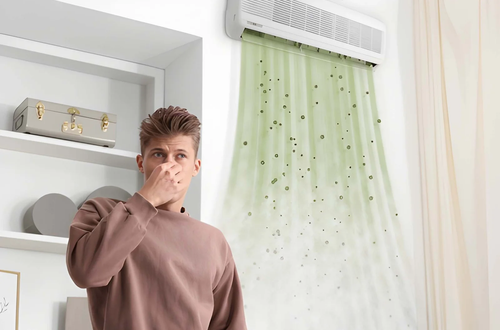
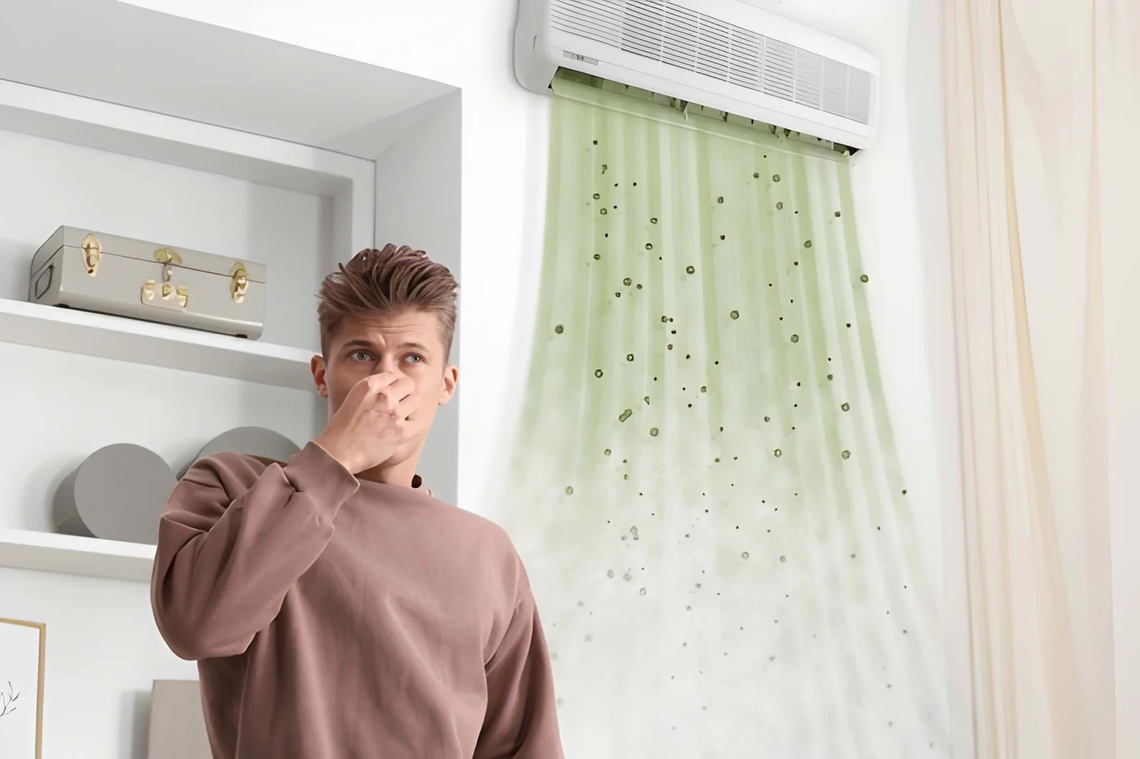
Someone fries fish in the kitchen at 6 p.m. By 6:20, the bedroom upstairs smells like it. Or a musty odor appears in the study only when the heating runs. You clean, spray, and open windows, but the smell keeps finding its way back. That is because smells do not wander randomly. They follow air, and air follows pressure. So what causes unusual smells to travel between rooms through ventilation systems? In most homes it is a combination of shared ducts, pressure differences between rooms, leaks in the duct system, and a source that is feeding odor into the airflow. This guide explains each cause in plain language. You will…
-
Why Do Certain Windows Produce Whistling Sounds During Strong Winds?
It starts around midnight. The wind picks up, and one window in the house begins to moan in a thin, rising note, as if someone is blowing across a bottle. The other windows stay silent. You close the curtain, which does nothing, and lie awake wondering what is wrong. The answer is usually small. So why do certain windows produce whistling sounds during strong winds? Because a narrow gap, a worn seal, or a loose part turns moving air into a vibrating column or a series of tiny swirls, and your window becomes a musical instrument. The sound also tells you something useful: air is getting where it should not.…
-
How Can Homeowners Identify Hidden Water Leaks Before Visible Damage Appears?
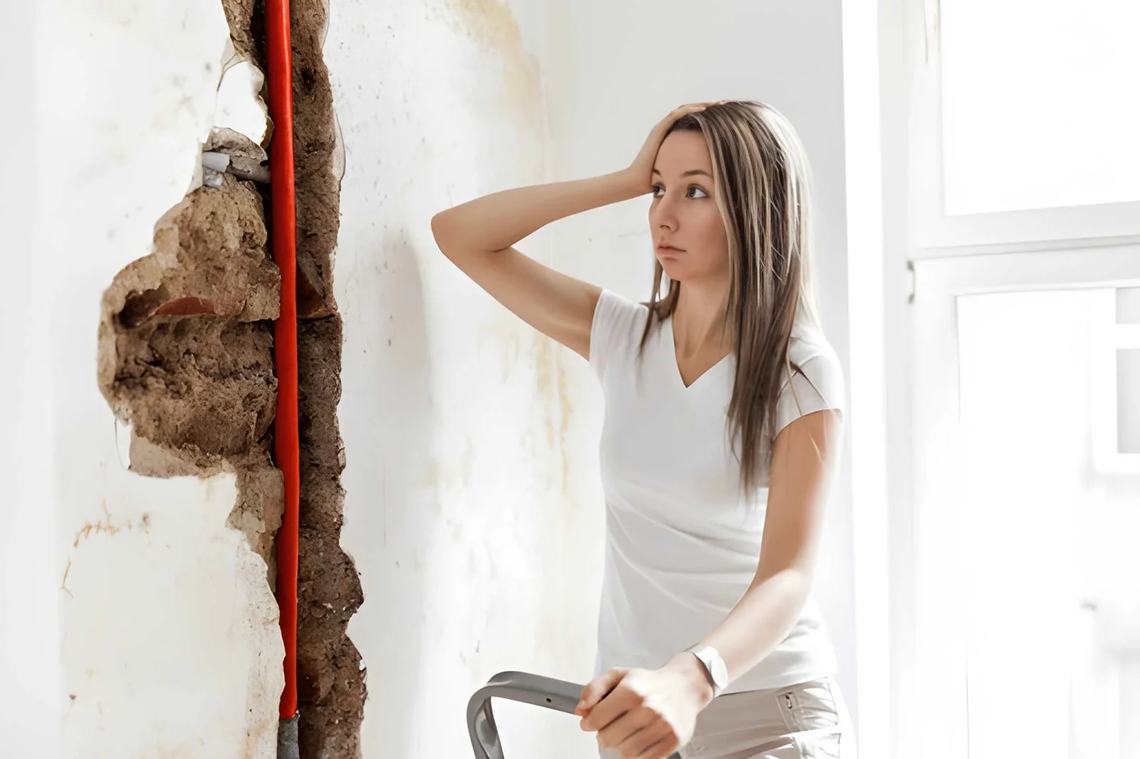
The ceiling stain, the swollen floorboard, the musty cupboard: by the time you see them, the leak has usually been running for weeks. Water travels along pipes, joists, and slabs, and it can soak a wall cavity long before it shows on the surface. That delay is what makes leaks expensive. So, how can homeowners identify hidden water leaks before visible damage appears? Do not wait for a stain. Look for small, measurable signals instead: a water meter that moves when nothing is running, a bill that climbs for no reason, and subtle changes you can hear, smell, or feel. This guide organizes those clues into a three-signal check you…
-
What Happens When Different Building Materials Expand at Different Rates?
On a cold morning, a long aluminum window frame sits tight against its concrete opening. By afternoon, in direct sun, it has grown several millimeters and the concrete beside it has barely moved. That small mismatch repeats every day for decades. It is the quiet reason behind cracked tiles, popped sealant, buckled floors, and stair-step cracks in brick walls. So what happens when different building materials expand at different rates? They push and pull against each other, and whichever part is weakest gives way first, usually the joint, the finish, or the bond. This guide explains the mechanism in plain terms and puts real numbers on it. You will find…
-
Why Do Some Houses Develop Persistent Condensation Even With Regular Ventilation?
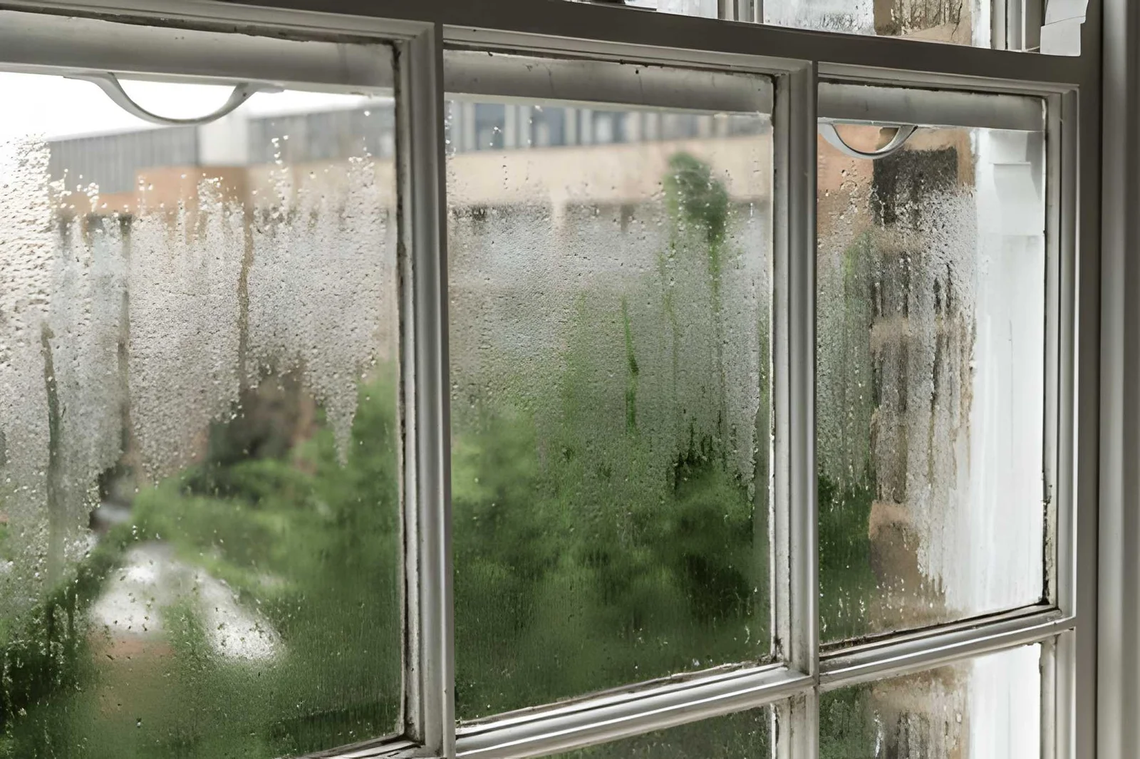
You open the windows every morning. The bathroom fan runs. Yet the glass still streams with water by breakfast, and a dark patch is creeping into the bedroom corner. It feels unfair. You are doing everything the advice columns say. The truth is that “regular ventilation” and “effective ventilation” are different things. Some houses develop persistent condensation even with regular ventilation because moisture enters faster than it leaves, because the air never reaches the problem spot, or because a surface stays cold enough to pull water out of the air. This guide explains the physics in plain language and shows you how to find your own cause. You will get…