
Why Do Some Houses Develop Persistent Condensation Even With Regular Ventilation?
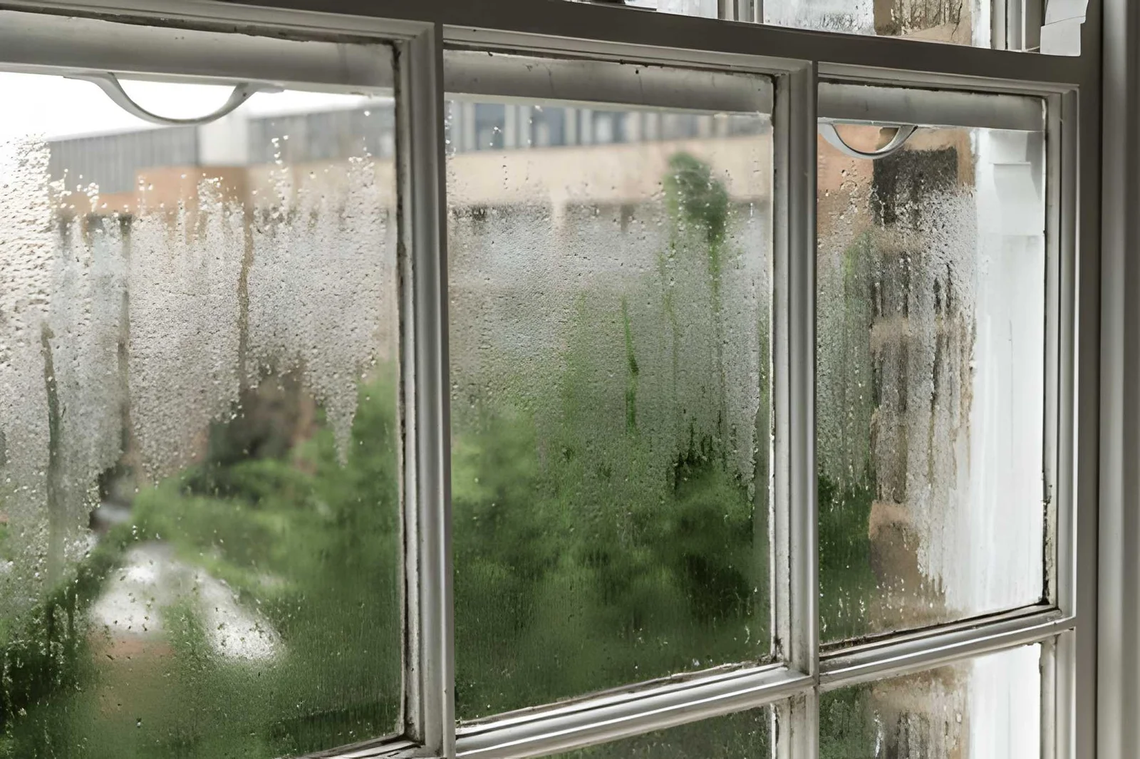
You open the windows every morning. The bathroom fan runs. Yet the glass still streams with water by breakfast, and a dark patch is creeping into the bedroom corner. It feels unfair. You are doing everything the advice columns say. The truth is that “regular ventilation” and “effective ventilation” are different things. Some houses develop persistent condensation even with regular ventilation because moisture enters faster than it leaves, because the air never reaches the problem spot, or because a surface stays cold enough to pull water out of the air. This guide explains the physics in plain language and shows you how to find your own cause. You will get a quick answer, a dew point table you can use today, a table matching symptoms to causes, and a simple testing routine. A cheap hygrometer and a little patience are all you need.
Why Does Condensation Persist Despite Ventilation?
Condensation persists despite ventilation when moisture is produced faster than it is removed, when airflow does not reach the affected area, or when surfaces stay colder than the room’s dew point. Opening windows often fails because air takes the shortest path, and humid outdoor air can add moisture.
What Is the Dew Point Threshold?
Condensation forms when a surface is colder than the dew point of the air touching it. At a room temperature of 20°C (68°F), the dew points are approximately:
| Indoor Humidity | Dew Point | Surface Risk |
|---|---|---|
| 40% | 6°C (43°F) | Low |
| 50% | 9°C (48°F) | Moderate |
| 60% | 12°C (54°F) | High on single glazing |
| 70% | 14°C (58°F) | Likely on most cold surfaces |
Many health and building bodies suggest keeping indoor humidity roughly between 30% and 50%. A single-pane window on a cold night can easily drop below 9°C, so even moderate humidity causes streaming glass.
What Are the Hidden Causes?
| Cause | Why Ventilation Fails | Fix |
|---|---|---|
| Fan too weak or ducted into the attic | Moisture is recycled into the house | Vent outdoors with a properly sized fan |
| Indoor laundry drying | One load can release liters of water | Use a vented dryer or dehumidifier |
| Ground moisture | Damp crawlspace or slab rises into living areas | Add a ground vapor barrier |
| Thermal bridging | Cold spots at corners, lintels, and window frames | Insulate or upgrade the glazing |
| Furniture against outside walls | Blocks air, creating stagnant cold pockets | Leave a small gap |
| Humid weather | Opening windows brings in wet air | Ventilate when outdoor air is drier |
Where Is the Condensation Appearing?
| Location | Most Likely Cause |
|---|---|
| Window glass only | High humidity plus single or old double glazing |
| Upper room corners | Thermal bridging or missing insulation |
| Behind wardrobes | Stagnant air against a cold wall |
| Bathroom ceiling | Weak or poorly ducted fan |
| Ground floor, lower walls | Rising damp or ground moisture |
How Can You Find Your Cause?
- Buy a hygrometer and place two in different rooms. Log readings morning and evening for a week.
- Note when condensation appears. After showers points to bathroom extraction. Overnight points to bedroom moisture from breathing.
- Run the bathroom fan for 20 minutes after each shower and check that air actually moves. A tissue should stick to the grille.
- Check the fan duct outside. It should terminate outdoors, not in the attic.
- Compare against the dew point table above.
Frequently Asked Questions
Can opening windows make condensation worse?
Yes. In humid or rainy weather, outside air can carry more moisture than your indoor air.
Is condensation always a ventilation problem?
No. Cold surfaces, leaks, and ground moisture can cause it even in well-ventilated homes.
When should I call a professional?
Call one if mold keeps returning, walls feel damp, or humidity stays above 60% after changes. Hidden leaks and structural moisture need a trained inspection.
Bottom Line
Persistent condensation is a balance problem, not a window problem. Measure humidity, find where moisture is created, and check whether your fans truly vent outdoors. Warm the cold spots, remove the biggest sources, and ventilate when outdoor air is drier. If readings stay high after these steps, get a professional moisture inspection.
Must visit https://decoratoradvice.fr/ for persistent condensation ideas.

Jessica X
Writer at DecoratorAdvice com, sharing practical home design insights, décor trends, and expert tips to help readers create beautiful, functional living spaces.


You May Also Like

What Should You Know About Radon Testing Before Purchasing a Property?

How Can You Recognize Early Signs of Timber Decay Behind Painted Surfaces?
