Why Do Electrical Breakers Trip Even When Appliances Appear to Work Normally?
The toaster toasts, the space heater warms, and the dishwasher runs a perfect cycle. Then the breaker clicks off, and everything seems fine again once you flip it back. Because nothing looks broken, most people blame bad luck and keep resetting the switch. That habit is the real risk. A breaker does not check whether an appliance works. It watches the current, the path it takes, and the heat in the wiring. So why do electrical breakers trip even when appliances appear to work normally?
The short answer is that a healthy-looking appliance can still push a circuit past its limit, leak current, or sit on a weak connection. This article explains the four hidden causes, shows how the pattern of tripping points to each one, and lists what is safe to try and what needs a licensed electrician. You will find a quick answer, a trip-pattern table, a load-math example, a safe-checks table, a danger-signs list, and the mistakes that make things worse. It suits US homeowners and renters. Read the quick answer first, then use the sections that fit your home.
Why Do Electrical Breakers Trip When Appliances Seem Fine?
A breaker usually trips because of an overload, a short circuit, or a ground fault, and less often because of arcing, a worn breaker, damaged wiring, or a loose connection. An appliance can run normally while it adds to a shared load, leaks current to ground, or sits on a loose connection that heats up.
Match the Trip Pattern to the Cause
| Pattern | Likely cause | What it means |
|---|---|---|
| Works until one more appliance starts, then trips seconds or minutes later | Overload | Too many watts on one circuit |
| Trips right after you reset it | Short circuit or ground fault | Leave it off and call an electrician |
| Trips only when one appliance runs, often near water | Ground fault | Current leaking through damp or damaged insulation |
| AFCI breaker trips on and off | Arc fault | Frayed cord or loose connection |
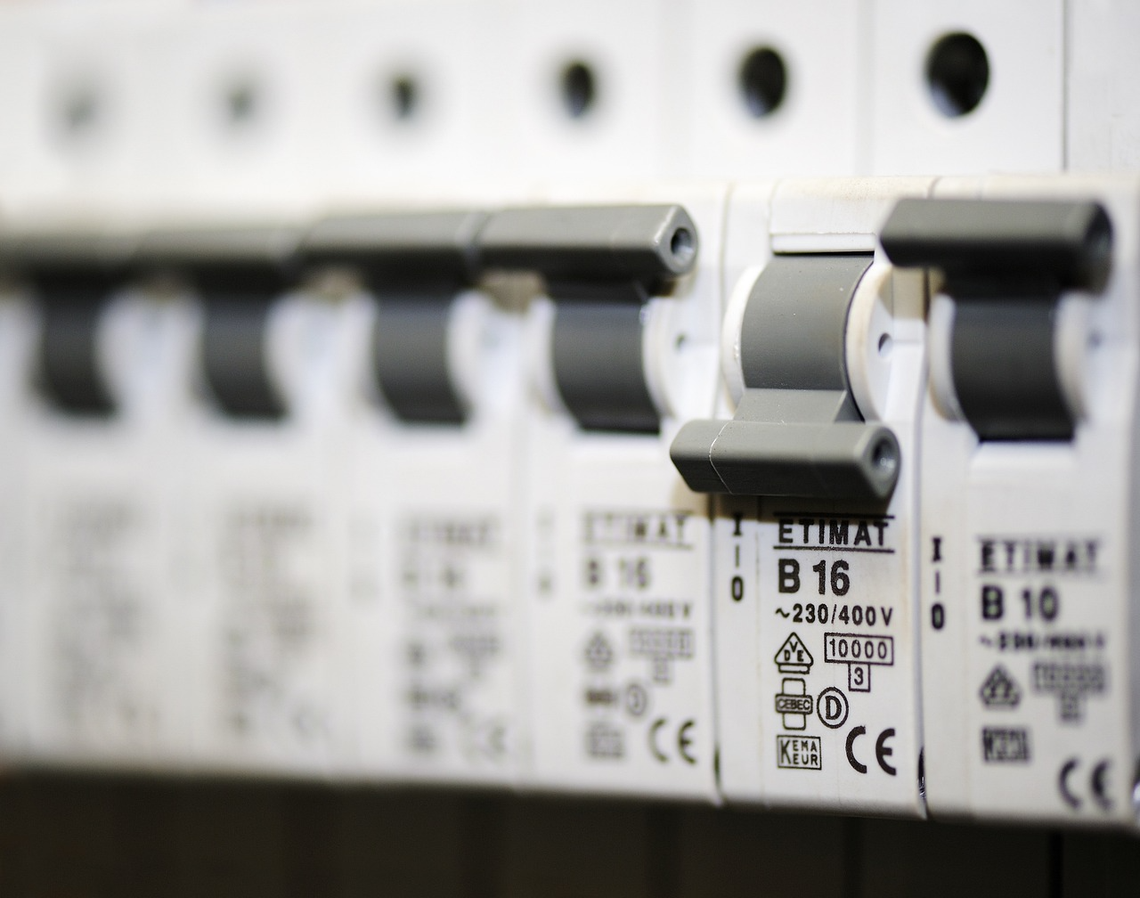
| Breaker feels warm or buzzes | Failing breaker or loose connection | Stop and get it inspected |
The Hidden Overload
Overload is the most common cause. On a typical 15-amp, 120-volt circuit, the limit is about 1,800 watts, and a common guideline is to keep continuous loads under roughly 80 percent, or about 1,440 watts. A 1,500-watt space heater plus a running vacuum can exceed that, even though each device works perfectly. Many devices also pull a brief surge when they start.
Leaks and Loose Connections
A ground fault happens when current takes an unintended path, usually through water. The appliance still works, but it leaks, and a GFCI or breaker responds. A loose connection is quieter. It creates resistance, resistance creates heat, and heat can trip the breaker. Arcing from a damaged cord or loose wiring is dangerous because it can start a fire without ever tripping a standard breaker. Many newer US homes use AFCI and GFCI protection, and code generally requires both in kitchens and laundry rooms.
Safe Checks You Can Try
| Check | How | Stop if |
|---|---|---|
| Unplug everything on the circuit | Turn off switches and unplug devices, then reset | It trips with nothing connected |
| Add devices one at a time | Find which one triggers the trip | A single device trips it repeatedly |
| Look for moisture or damaged cords | Inspect outlets, plugs, and appliances | You see scorching, melting, or damp |
| Press reset on nearby GFCI outlets | Bathrooms, garages, outdoors | It will not reset |
Danger Signs: Stop and Call a Pro
Call a licensed electrician if the breaker trips more than twice, won’t reset, feels hot, buzzes, or you smell burning. If the same breaker trips repeatedly, stop resetting it. If you see smoke or flames, leave the building and call 911. Don’t open the panel yourself, and don’t use extension cords as a permanent fix.
Mistakes to Avoid
The most common mistake is replacing an AFCI or GFCI breaker with a standard one. That removes protection and should never be done to stop trips. Another is repeatedly resetting a breaker, which stresses it and the wiring. Using a larger breaker on the same wire is a dangerous third error. Finally, don’t ignore patterns. A trip that happens at the same time each day usually has a cause.
FAQ
Can a breaker go bad?
Yes. Breakers can wear out, especially after many trips or in older panels.
Is a tripping breaker dangerous?
The trip is a safety response, but the cause may be hazardous.
Bottom Line: A Trip Is a Message
Electrical breakers trip even when appliances appear to work normally because they respond to load, leakage, and heat, not to how the appliance behaves. Use the pattern to find the cause, try only safe checks, and call a licensed electrician for repeats.
Must visit https://decoratoradvice.fr/ for electrical breaker ideas.

Jessica X
Writer at DecoratorAdvice com, sharing practical home design insights, décor trends, and expert tips to help readers create beautiful, functional living spaces.

You May Also Like

What Causes Unusual Smells to Travel Between Rooms Through Ventilation Systems?

Why Do Certain Windows Produce Whistling Sounds During Strong Winds?