What Causes Unusual Smells to Travel Between Rooms Through Ventilation Systems?
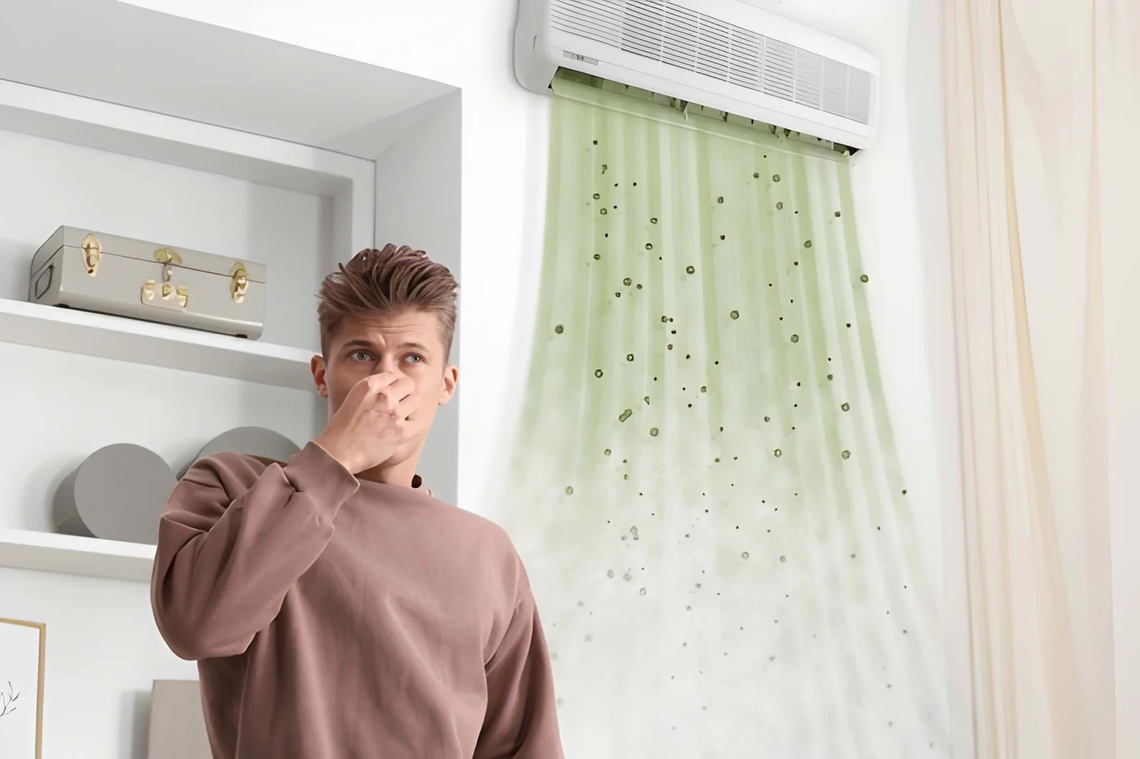
Someone fries fish in the kitchen at 6 p.m. By 6:20, the bedroom upstairs smells like it. Or a musty odor appears in the study only when the heating runs. You clean, spray, and open windows, but the smell keeps finding its way back. That is because smells do not wander randomly. They follow air, and air follows pressure. So what causes unusual smells to travel between rooms through ventilation systems? In most homes it is a combination of shared ducts, pressure differences between rooms, leaks in the duct system, and a source that is feeding odor into the airflow. This guide explains each cause in plain language. You will find a quick answer, a table of causes, a table that matches smell types to likely sources, a step-by-step trace method, and a short FAQ. A strip of tissue and a nose are enough to start.
What Causes Unusual Smells to Travel Between Rooms Through Ventilation Systems?
Smells travel between rooms because air moves from higher pressure to lower pressure, and ventilation systems create those pressure differences. Shared supply and return ducts, leaky ductwork, exhaust fans, closed doors, and open pathways like shafts and gaps carry odors from the source room to others.
What Are the Main Causes?
| Cause | How It Moves Smell | Typical Clue |
|---|---|---|
| Shared return air | Air from one room mixes into the common system | Smell appears in several rooms when the system runs |
| Leaky ducts | Air is pulled from attics, crawlspaces, or wall cavities | Musty or dusty smell with the heating or cooling on |
| Exhaust fans | They pull air out and lower pressure, drawing air in from elsewhere | Smell appears when a bath or kitchen fan runs |
| Closed doors and unbalanced airflow | Supply fills a room with no return, forcing air into hallways | Smell leaks around door edges |
| Unused or dry drain traps | Sewer gas passes through an empty water seal | Sewer smell near floor drains or rarely used sinks |
| Shared building shafts | Air moves between apartments or floors | Cooking or smoke odors from neighbors |
| Stack effect | Warm air rises, drawing air up through stairwells | Basement smells appear upstairs in winter |
| Dirty filters or coils | Trapped moisture and dust develop odors | Stale smell at supply vents |
Which Smell Points to Which Source?
| Smell | Possible Source | What to Check |
|---|---|---|
| Musty or damp | Moisture in ducts, basement, or crawlspace | Filter, duct leaks, humidity |
| Rotten eggs or sulfur | Sewer gas, or in some cases natural gas | Leave and call the gas provider if it could be gas |
| Cooking or fried food | Kitchen exhaust or shared return | Range hood use, duct routing |
| Smoke or burning | Electrical overheating, a heater, or outside smoke | Switch off the system and investigate carefully |
| Chemical or paint | Stored products in garage or utility room | Door seals and duct connections |
| Pet or animal smell | Dead animal in a duct or wall space | Attic, ducts, and wall voids |
| Cigarette smoke | Shared ventilation in multi-unit buildings | Building management |
Never treat a smell that might be gas or burning as routine.
How Do You Trace the Smell Route?
Use airflow to find the path.
- Notice the timing. Does the smell appear only when the heating, cooling, or a fan runs?
- Turn exhaust fans off. See whether the smell fades.
- Run the tissue test. Hold thin tissue near door gaps, return grilles, and duct registers. Watch which way it moves.
- Open or close doors one at a time to see how the smell responds. A closed door can raise pressure and push smell out.
- Check drains. Pour water into rarely used floor drains and sinks.
- Replace the filter if it is overdue and check the area around the air handler.
- Inspect visible ducts in attics and basements for gaps, loose joints, or damage.
When Should You Call a Professional?
Call one if the smell is gas, sewage, or burning, or if it returns after cleaning. A technician can test duct leakage and pressure, and check for backdrafting from fuel-burning appliances. Fix the source, not only the smell.
Frequently Asked Questions
Can ventilation systems spread smells between apartments?
Yes, through shared ducts, shafts, and pressure differences. Building management can investigate.
Will an air freshener solve it?
No. It only masks the odor while the source stays active.
Why does the smell appear only in winter?
Warm indoor air rises and pulls cold, smelly air up from basements and crawlspaces.
Bottom Line
Smells are a pressure map. Find where air moves from and to, and you find the source. Check fans, doors, drains, and filters first, trace the route with a tissue, and call a professional for gas, sewage, or smoke smells.
For removing unusual smells must visit https://decoratoradvice.fr/

Jessica X
Writer at DecoratorAdvice com, sharing practical home design insights, décor trends, and expert tips to help readers create beautiful, functional living spaces.


You May Also Like
How Do Seasonal Temperature Changes Affect Residential Plumbing Systems?
What Happens When Household Drainage Systems Cannot Handle Heavy Rainfall?