Could Your Roof Be the Missing Element in Your Home’s Design?
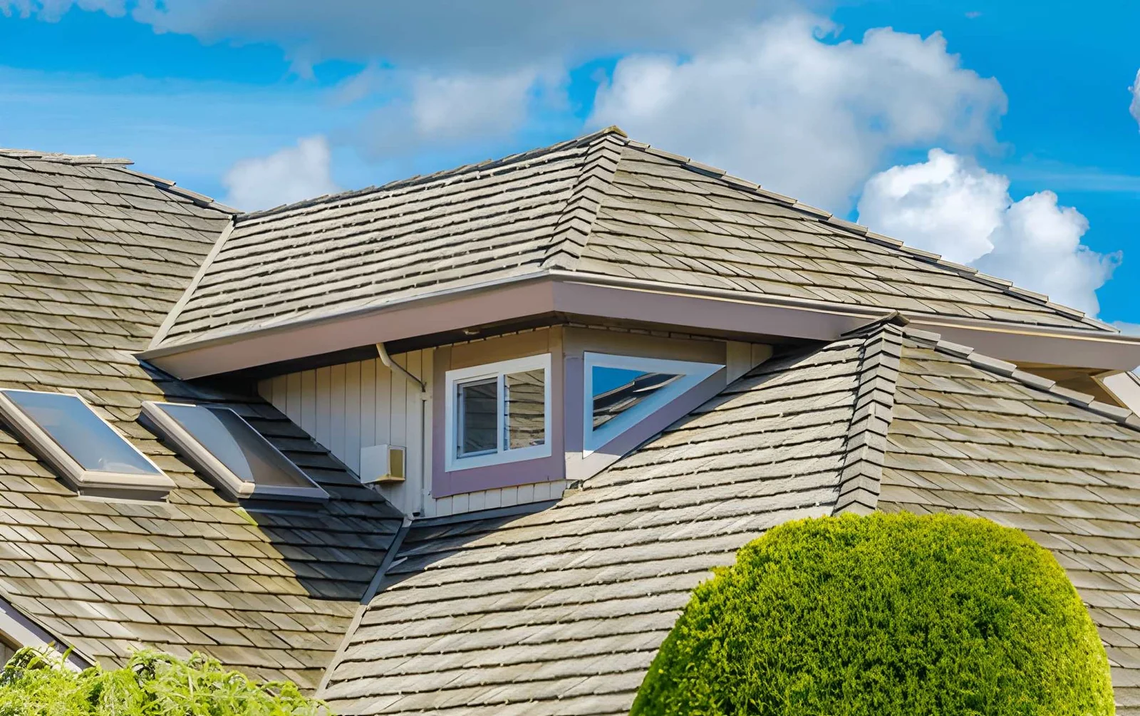
Of all the elements that determine how a home looks from the street, the roof is the largest single surface — typically covering 40 to 50% of a smart home‘s visible exterior area when viewed from a slight elevation. It’s the element that most directly communicates a home’s architectural character, its relationship to its site, and whether it reads as a considered design or simply a structure that exists to keep water out.
And yet most US homeowners treat the roof as a purely functional element — something to maintain, repair when necessary, and replace with whatever the roofing contractor recommends when the time comes. The idea that roof choices are design decisions is almost entirely absent from the residential renovation and improvement conversation.
This isn’t a minor oversight. The roof’s material, color, pitch, and detail communicate as much about a home’s quality and character as any other exterior element — and in many cases more, because its scale makes it the dominant visual element when a home is viewed from any distance. This article covers the roof as a design element: how material and color choices affect a home’s entire aesthetic, which roof decisions have the most significant design impact, and how US homeowners can make better-informed choices when their roof reaches its replacement window.
Why the Roof Is a Primary Design Element — Not a Functional Afterthought
The roof’s visual dominance over a home’s exterior is a mathematical reality. On a typical US two-story home, the roof occupies a surface area larger than the sum of all four wall elevations when viewed at street level. Its color is the most visually prominent color on the exterior. Its texture is the most visible surface texture. Its pitch determines the home’s silhouette — the shape that the brain uses to identify and categorize the building before registering any other detail.
| Roof Design Decision | Visual Impact | Common Approach | Design-Forward Approach |
|---|---|---|---|
| Material selection | Very High — texture, color, longevity all visible | Asphalt shingle (cheapest) | Material appropriate to architecture |
| Color selection | Very High — dominant exterior color | Whatever installer suggests | Considered against wall and trim colors |
| Pitch/form | Very High — determines silhouette | Whatever was original | Matched or improved to architectural intent |
| Edge detail (fascia, soffit) | High — visible at close range | Builder standard | Profile and color deliberately chosen |
| Overhang depth | High — affects shadow patterns | Code minimum | Appropriate to climate and aesthetic |
| Dormer design | Medium-High — adds character and light | Functional only | Designed to complement overall form |
| Flashing and trim color | Medium — visible at transitions | Standard metal | Color-coordinated with overall palette |
The Roof Decisions That Have the Most Design Impact
Roof Material: The Choice Most Homeowners Make Without Enough Information
Most US homeowners replace roofs with 3-tab asphalt shingles because they’re the cheapest option and because the roofing contractor presents them first. This decision — made at the moment of necessity, typically without design consideration — determines the home’s primary exterior surface material for the next 15 to 25 years.
The range of roof materials available to US homeowners spans from the practical to the genuinely beautiful, with cost and longevity scaling together. Understanding the design character of each material before a replacement is needed allows homeowners to make the decision deliberately rather than under time pressure.
| Roof Material | Design Character | Lifespan | Cost Range (installed) | Best Architecture Match |
|---|---|---|---|---|
| 3-tab asphalt shingle | Generic — no particular character | 15–25 years | $3–$5/sq ft | Builder-grade homes |
| Architectural asphalt shingle | More dimensional — better shadow | 25–30 years | $4–$7/sq ft | Most residential styles |
| Metal standing seam | Contemporary, precise, distinctive | 40–70 years | $10–$16/sq ft | Modern, farmhouse, contemporary |
| Metal shake or shingle profile | Traditional warmth + metal longevity | 40–70 years | $8–$14/sq ft | Craftsman, colonial, traditional |
| Cedar shake | Organic, warm, distinctive | 25–40 years | $6–$10/sq ft | Craftsman, cottage, traditional |
| Slate (natural) | Timeless, premium, distinctive | 75–150 years | $15–$30/sq ft | Traditional, historic, formal |
| Concrete or clay tile | Mediterranean, Spanish, distinctive | 50+ years | $8–$20/sq ft | Mediterranean, Spanish colonial |
| Synthetic slate/shake | Quality appearance at lower cost | 30–50 years | $7–$12/sq ft | Most styles that suit natural originals |
Roof Color: The Most Consistently Underestimated Design Decision
When homeowners replace roofs with asphalt shingles, color choice often happens in a contractor’s office under fluorescent lighting with a 4-inch sample chip. The color that’s chosen in those conditions then dominates the home’s exterior for 20 years.
The design principles for roof color selection are consistent across architectural styles:
The roof should be darker than the walls. A light roof on a dark house, or a roof that matches the wall color, loses the visual hierarchy that gives a home its grounded, anchored quality. The roof reads best when it’s two to four shades darker than the primary wall color.
The roof should relate to the trim and door colors. A charcoal grey roof on a white house reads differently against a black front door (cohesive — the roof anchors the dark accent) than against a red door (potentially competitive — two strong contrasts fighting). The roof color should be considered alongside the full exterior palette, not in isolation.
Warm and cool tones must be consistent. A warm-toned roof (cedar-brown, warm grey) against cool-toned walls (blue-grey, cool white) creates a color temperature conflict that reads as slightly off without most homeowners being able to name why. Matching warm to warm and cool to cool throughout the exterior creates the cohesion that makes a home look resolved from the street.
The Roof’s Relationship to Architectural Style
Different architectural styles have historically used specific roof materials and forms — and these relationships exist because material and form were developed together in response to climate, available materials, and aesthetic intention. Departing significantly from a style’s appropriate roof character creates visual incongruity that devalues the home’s architectural identity.
| Architectural Style | Appropriate Roof Material | Appropriate Pitch | Design Rationale |
|---|---|---|---|
| Colonial / Georgian | Wood shake, synthetic shake, slate | Steep gable, 10–12/12 | Historical authenticity, formal hierarchy |
| Craftsman / Bungalow | Cedar shake, architectural shingle | Moderate gable, 4–6/12 | Organic material, horizontal emphasis |
| Tudor Revival | Slate, synthetic slate | Very steep irregular gable | Historical reference, dramatic form |
| Ranch | Low-profile shingle, standing seam | Low slope, 3–5/12 | Horizontal emphasis, ground-hugging |
| Contemporary / Modern | Standing seam metal, flat membrane | Low or flat | Clean lines, material precision |
| Mediterranean / Spanish | Clay or concrete tile | Moderate, hipped | Regional authenticity, climate response |
| Farmhouse | Standing seam metal, architectural shingle | Steep gable | Rural vernacular, material longevity |
| Cape Cod | Architectural shingle, cedar shake | Very steep, 12/12 | New England vernacular, snow shedding |
The Roof Details That Complete the Design
Beyond material and color, the architectural details at the roof’s edges determine whether the roof reads as a designed element or a structural conclusion.
Fascia profile and color. The fascia — the horizontal board at the roof’s lower edge — is visible from the street on every approach. Its width, its profile, and whether it’s painted to blend with the roof overhang or contrast with the wall color all contribute to the home’s exterior refinement. A wide, well-profiled fascia in a considered color reads as architectural. A thin, unpainted or inconsistently painted fascia reads as builder-grade completion.
Soffit finish. The soffit — the underside of the roof overhang — is visible when standing close to the house, when approaching the entry, and from any adjacent outdoor space. Wood-look soffit, painted smooth soffit in a consistent color, or beadboard-style soffit treatment all communicate care and quality that vinyl or bare board soffits don’t.
Gutter integration. Gutters are typically chosen for function and price without design consideration. Half-round gutters in copper or aluminum read as architecturally intentional rather than functional addition. K-style gutters in a color matched to the fascia rather than a generic white read as considered. The gutter is a detail most people don’t consciously register — but it contributes to whether the overall roof reading is resolved or unfinished.
Frequently Asked Questions
Does the roof really affect home value significantly?
Yes — measurably. NAR’s Remodeling Impact Report consistently identifies roof replacement as one of the highest-ROI exterior improvements, with homeowners recovering 60 to 68% of costs at resale on average. Material upgrades (from standard asphalt to architectural shingle or metal) produce additional perceived value that the cost-recovery calculation doesn’t capture — particularly in competitive markets where buyer perception of quality significantly affects offer amounts.
When should I think about roof design rather than just roof replacement?
Ideally, before the roof fails — which gives time to research material options, compare designs, and make a deliberate color decision rather than one driven by urgency. Proactively assessing a roof that’s 15 or more years old (for asphalt shingles) and beginning the design research process means that when replacement becomes necessary, the decision can be made thoughtfully.
Does a metal roof work on a traditional-style US home?
Metal roofing has significant historical precedent in US residential design — standing-seam metal roofs were standard on many 19th-century American farmhouses and Southern plantation homes. On traditional-style homes, a metal roof in an appropriate color (dark grey, aged green, terracotta) reads as historically grounded rather than incongruous. The standing seam profile is the key: it’s the appropriate metal roof form for traditional residential applications.
What’s the most cost-effective roof upgrade that improves design quality?
Upgrading from 3-tab to architectural (dimensional) asphalt shingles at replacement time adds $1 to $3 per square foot to installation cost and significantly improves the roof’s visual quality through increased shadow and dimensional texture. This is the most accessible roof design upgrade for US homeowners — available at every roof replacement and visible in the improved appearance for the full 25 to 30-year lifespan of the shingle.
How do I choose a roof color when I’m replacing?
Start with the home’s primary wall color and select a roof color two to four shades darker in the same temperature family (warm or cool). Obtain large samples — at least 12-by-12-inch pieces — and view them against the actual wall in outdoor light at different times of day before deciding. Never make the final decision from a small chip under fluorescent contractor lighting.
The Bottom Line
The roof is the largest single surface on most US homes and the element that most powerfully determines a home’s exterior character, silhouette, and perceived quality. Treating it as a purely functional replacement decision — choosing the cheapest material under time pressure — produces a home with a missed design opportunity at its most prominent exterior location.
The roof that’s chosen deliberately — material appropriate to the home’s architectural style, color considered against the full exterior palette, details at edges and transitions attended to — transforms a home’s street presence in ways that no other exterior investment of comparable scale achieves.
The next roof replacement isn’t just a maintenance necessity. It’s the most significant exterior design decision most US homeowners will ever make.
For roof designs must visit https://decoratoradvice.fr/

Jessica X
Writer at DecoratorAdvice com, sharing practical home design insights, décor trends, and expert tips to help readers create beautiful, functional living spaces.