Decoradhouse garden tips for a Small Budget: 7 Upgrades Under $50
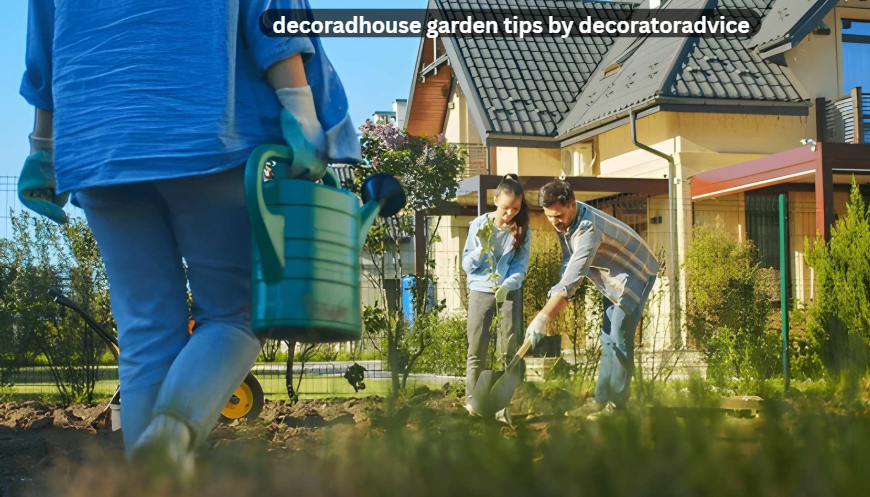
Most backyard advice assumes a few thousand dollars and a free weekend every month. That’s not reality for most homeowners in the US right now, with lumber, mulch, and even basic hand tools costing more than they did three years ago. These decoradhouse garden tips skip the expensive fixes and focus on seven upgrades that actually change how a yard looks and works, each one under $50. Every project here was tested in a real backyard, not a showroom, so the steps account for uneven soil, existing plants you don’t want to kill, and tools most people already own. You won’t find advice to hire a landscaper or install a full irrigation system. Instead, this guide covers patching bare grass, adding cheap privacy, and making a tired flower bed look intentional again, with actual receipts behind every number. By the end, you’ll have a short list of weekend projects that fit a real budget and a real yard, not a magazine spread.
Why These Decoradhouse Garden Tips Work on a Small Budget
Cheap yard upgrades fail for one of two reasons: they cut corners that show up within a season, or they save money on materials while wasting hours of labor. The seven projects below avoid both traps. Each one uses materials sold at any US hardware store, takes a single weekend afternoon at most, and holds up through at least one full growing season. None of decoradhouse garden tips require a truck rental, a permit, or a second person to help carry anything.
1. Edge Garden Beds With Steel Instead of Buying New Mulch
Clean edging does more for a bed’s appearance than fresh mulch does. A 20-foot roll of steel or heavy-duty plastic edging runs $15 to $25 and takes under an hour to install with a flat spade. It also stops grass from creeping into the bed, which cuts down on future weeding.
2. Patch Bare Lawn Spots With Seed and Straw, Not Sod
Sod looks instant but costs $60 or more once you add delivery. Raking the bare patch, spreading regionally appropriate grass seed, and covering it with a thin straw layer costs closer to $10 to $20 and fills in within two to three weeks with daily watering.
3. Add a Row of Solar Path Lights for Instant Curb Appeal
A six-to-eight-pack of solar path lights costs $25 to $35 at most hardware or home stores and pushes into the ground in about half an hour, no wiring or electrician required. Lined along a walkway or bed edge, they change how the whole yard reads after sunset.
4. Repurpose Free Pallet Wood Into a Vertical Herb Planter
Most hardware stores and grocery distributors give away pallets. Pried apart and reassembled with a handful of screws, one pallet becomes a vertical planter for herbs or strawberries. Total spend is usually just the $8 to $12 for screws and a hanging bracket.
5. Plant One Native Perennial Instead of Annuals You’ll Replace Every Year
A single native perennial, often $15 to $20 at a local nursery, comes back on its own year after year. Annuals look similar for one season but need to be repurchased every spring, which adds up fast across a bed.
6. Build Cheap Privacy With a Trellis and a Fast-Growing Vine
A basic wood or metal trellis costs $20 to $30, and a fast climber like clematis or morning glory adds another $10 to $15. Positioned near a patio or window, this combination can screen a sightline within a single growing season.
7. Refresh Old Mulch Instead of Replacing It
Raking existing mulch to expose the underside, then applying a mulch color refresher spray, restores the look of new mulch for under $15. It’s the single cheapest project on this list and takes about twenty minutes.
7 Decoradhouse Garden Tips at a Glance
| Upgrade | Cost Range | Time Needed | Best Season (US) |
| Steel bed edging | $15–$25 | 1 hour | Spring or fall |
| Seed and straw lawn patch | $10–$20 | 20 min + 2 weeks watering | Early spring or early fall |
| Solar path lights (6–8 pack) | $25–$35 | 30 min | Any season |
| Pallet herb planter | $8–$12 | 1–2 hours | Spring |
| Native perennial planting | $15–$20 | 30 min | Spring or fall |
| Trellis with fast vine | $30–$40 | 1 hour | Spring |
| Mulch refresh spray | $10–$15 | 20 min | Late spring |
Where Homeowners Overspend on Small Yard Projects
| Common Mistake | Why It Wastes Money | Cheaper Fix |
| Buying sod for small patches | Delivery fees often exceed material cost | Seed and straw method |
| Full mulch replacement yearly | New mulch costs $4–$6 per bag every season | Rake and refresh existing mulch |
| Annual flowers every spring | Repurchased every year with no return | One-time native perennial |
| Wired landscape lighting | Requires an electrician for outdoor circuits | Solar path lights, no wiring needed |
Frequently Asked Questions
What is the cheapest way to upgrade a backyard on a small budget?
The cheapest upgrades reuse what’s already in the yard. Reviving old mulch with a rake and dye, patching bare lawn with seed and straw instead of sod, and building a planter from free pallet wood each cost under $20 and lean on labor instead of new materials.
Can you fix a patchy lawn without buying sod?
Yes. Rake the bare spot, spread grass seed matched to your region, cover it with a thin layer of straw to hold moisture, and water daily for two weeks. This runs $10 to $20 per patch versus $60 or more for sod plus installation.
What backyard upgrade gives the most curb appeal for under $50?
Solar path lighting along a walkway or bed edge tends to give the biggest visual return. A row of six to eight solar lights costs around $30, needs no wiring, and changes how the yard looks the moment it gets dark.
How do you add privacy to a backyard cheaply?
A single wood or metal trellis paired with a fast-growing vine like clematis or morning glory costs around $35 to $40 total and can screen a patio or window within one growing season, far less than a fence panel.
Final Thoughts
None of these decoradhouse garden tips require a big-box store haul or a weekend of borrowed tools. They’re the same low-cost fixes that hold up in a real yard through wind, heat, and the occasional dog running through the flower bed. Pick two or three that match what your yard actually needs this season, not the whole list at once, and you’ll see a difference before the next mow. For more tested, budget-first home and yard guides, visit decoratoradvice com.

Jessica X
Writer at DecoratorAdvice com, sharing practical home design insights, décor trends, and expert tips to help readers create beautiful, functional living spaces.


You May Also Like

Latest decoratoradvice .com : Why 2026’s Smart Homes Are Getting Simpler, Not Smarter
What Decoration Tips and Tricks Decoradyard Style Works in Every Season?