Latest decoratoradvice .com : Why 2026’s Smart Homes Are Getting Simpler, Not Smarter
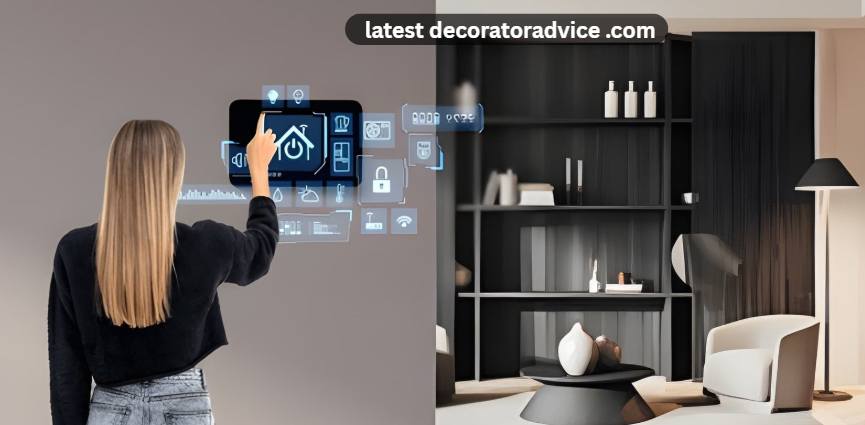
Walk into a newly built home in 2026 and you might notice something missing: the wall panel with forty toggles, the app that controls the thermostat but somehow not the lights, the voice assistant nobody trusts with the front door. After a decade of stacking sensors on top of sensors, homeowners are quietly pulling back. Simpler smart homes are replacing the sprawling, gadget-heavy setups that defined the last automation boom, and the shift isn’t about giving up on convenience. It’s about a market correcting for its own excess. Buyers spent years collecting devices that promised to think for them, only to end up managing three apps just to turn off a lamp. This latest DecoratorAdvice .com breakdown covers what’s driving the move toward simpler smart homes, which features are getting cut first, what’s replacing them, and what the shift means if you’re planning an upgrade this year. The short version: less hardware, fewer subscriptions, and systems that actually do what they say. For more decoratoradvice com guides on smart, functional home upgrades, keep reading below.
The Complexity Backlash Is Real: Latest DecoratorAdvice .com Findings
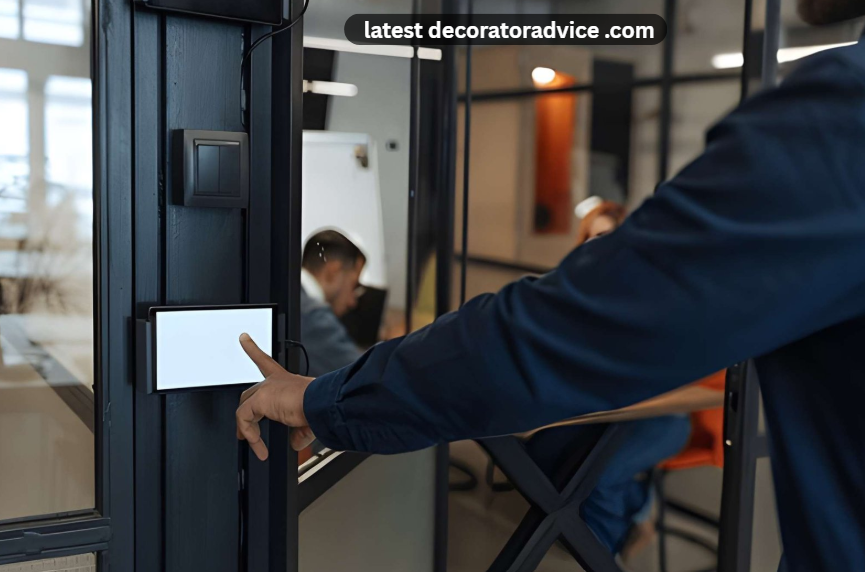
Ask any electrician who’s done a retrofit in the last two years and you’ll hear the same complaint. Homeowners inherited smart systems from a previous owner or a contractor’s default package, and half the devices sit unused because nobody remembers how to pair them again after a router reset. Parks Associates research from 2025 found that 52% of DIY smart home users report setup or connectivity issues, and the average number of connected devices per smart home household has actually fallen, from a pandemic-era peak of 8 down to 6.2 today.
This latest DecoratorAdvice .com analysis found that drop matters because it reframes the whole category. The problem was never that smart homes didn’t work. It’s that they worked in isolation, each device speaking its own language, each brand betting you’d tolerate its own app. Simpler smart homes fix this by cutting the number of moving parts rather than adding more of them.
What’s Getting Cut in 2026
| Feature | 2023 Status | 2026 Status | Why It’s Fading |
| Standalone smart plugs (per outlet) | Popular add-on | Declining | Replaced by fewer, smarter fixtures at install |
| Multiple hub apps | Common, 3-5 apps average | Consolidating to 1-2 | Matter/Thread standard reduces app-switching |
| Voice-controlled everything | Marketed heavily | Narrowing to music, timers, lights | Trust issues with security-related commands |
| Full-home automation routines | Aspirational selling point | Limited to 2-3 daily routines | Users found complex routines unreliable |
| Subscription-gated features | Growing revenue model | Consumer pushback | Fatigue with recurring device fees |
The pattern across that table is consistent. Whatever added a step, a login, or a monthly fee without a clear daily payoff is the first thing homeowners cut when they simplify. What survives are the features people actually touch: lighting, temperature, and locks.
The Matter Standard Changed the Math
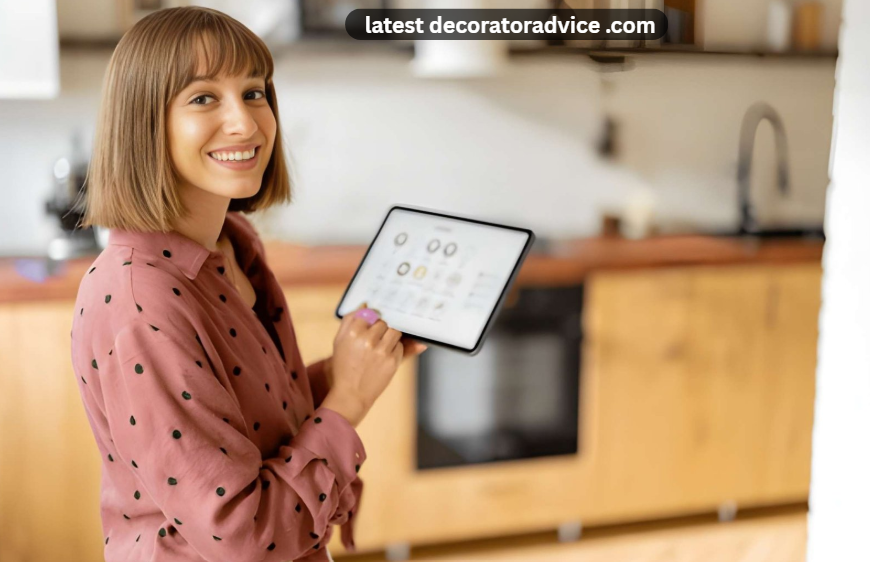
Part of why simpler smart homes are possible now, and weren’t a few years ago, comes down to the Matter connectivity standard finally maturing. Matter lets devices from different manufacturers talk to each other and to a single control point, instead of each brand requiring its own app and cloud account. That single change removed a lot of the friction that made early smart homes feel like a part-time job. Parks Associates has found that 37% of U.S. internet households shopping for smart home products now consider Matter certification important when deciding what to buy, a sign that interoperability has become a purchase driver rather than a nice-to-have. A homeowner buying a lock, a thermostat, and a light strip in 2026 can reasonably expect all three to show up in one interface, something that was closer to a coin flip in 2021.
What a Simpler Smart Home Actually Looks Like
In practice, and based on the latest DecoratorAdvice .com research into 2026 installs, the simpler smart homes taking hold this year tend to share a few traits. They use one hub instead of three. They automate maybe two or three things well, like a morning lighting sequence or a thermostat schedule, instead of trying to script the entire day. And they treat voice control as a convenience for low-stakes tasks, not a replacement for a physical switch or lock.
I’ll admit some of this feels like a step backward if you were excited about the fully automated house a decade ago. But talk to actual homeowners living with these systems and the trade-off makes sense. A system with five reliable functions beats a system with twenty unreliable ones, especially when the unreliable version means you’re standing in the dark asking a speaker to turn the lights on for the third time.
Cost Differences Worth Knowing
| Setup Type | Typical Devices | Average Upfront Cost (USD) | Monthly Subscription Load |
| Legacy “maximalist” smart home | 15-25 devices, 3-5 apps | $1,800-$3,500 | $25-$60 |
| 2026 simplified smart home | 6-10 devices, 1-2 apps | $900-$1,600 | $5-$15 |
The cost gap isn’t small. Beyond the upfront savings, fewer subscriptions mean fewer recurring charges that quietly outlive their usefulness. That’s a big part of the appeal for buyers in 2026 who watched the smart home industry oversell itself the first time around.
Frequently Asked Questions
Why are smart homes getting simpler instead of adding more features?
Homeowners grew tired of managing multiple apps, unreliable automations, and recurring subscription fees. Simpler smart homes prioritize a small set of reliable features over a large set of underused ones, driven partly by the Matter standard making cross-brand devices easier to consolidate under one hub.
What smart home features are homeowners removing first?
Standalone smart plugs, redundant hub apps, complex multi-step automation routines, and subscription-gated features are the first to go, based on usage data showing these get abandoned most often after the initial setup period.
Does a simpler smart home cost less than a fully automated one?
Yes. A 2026 simplified setup typically runs $900 to $1,600 upfront with $5 to $15 in monthly subscriptions, compared to $1,800 to $3,500 upfront and $25 to $60 monthly for a legacy maximalist system.
Is voice control still part of the simpler smart home trend?
It’s narrowing, not disappearing. Voice control remains popular for low-stakes tasks like music and timers, but homeowners are moving away from voice-controlled locks and security features due to trust and reliability concerns.
The Bottom Line: Latest DecoratorAdvice .com Takeaway
As this latest DecoratorAdvice .com guide has covered, simpler smart homes aren’t a retreat from technology. They’re a correction, driven by homeowners who paid the tuition on the first wave of smart home hype and came out the other side wanting less clutter, not more. If you’re planning an upgrade in 2026, the safest bet is picking a handful of devices that solve a real daily annoyance, choosing Matter-compatible hardware so it plays well with whatever you add later, and resisting the urge to automate everything just because you can.

Jessica X
Writer at DecoratorAdvice com, sharing practical home design insights, décor trends, and expert tips to help readers create beautiful, functional living spaces.

You May Also Like

What Are the Best Decoration Tips Decoradyard Lovers Actually Use?

Meet Our Partners: Collaborators in Home Decor