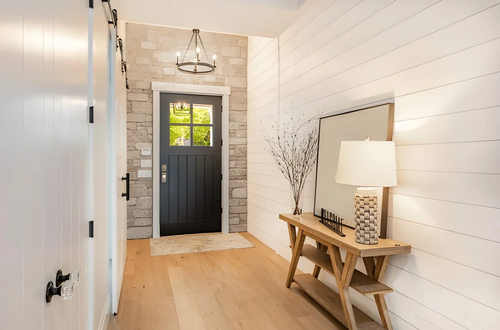
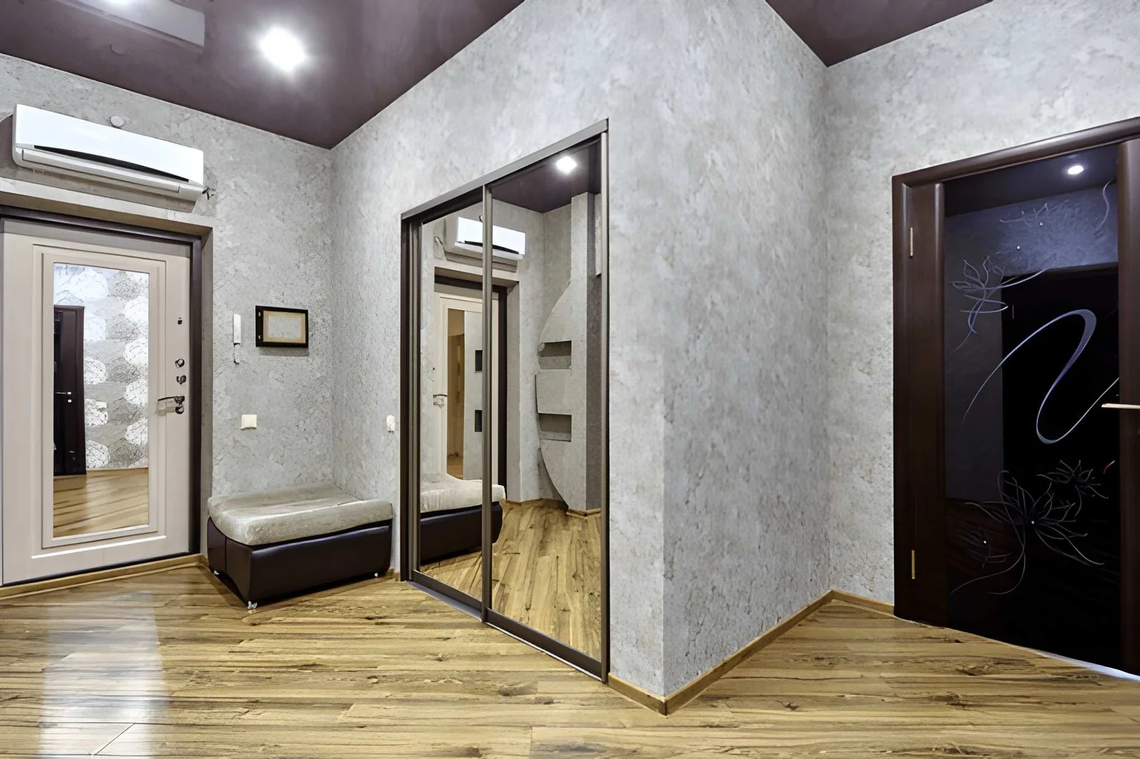
How Do You Turn an Empty Hallway Into a Design Feature?
Most hallways are treated as leftover space. You paint them the same beige as everything else, hang nothing, and walk through without a second look. That is a missed chance, because a hallway is the one place every visitor passes through, and it sets the tone for the rooms beyond.
So how do you turn an empty hallway into a design feature? You give it a purpose beyond getting from A to B. That can be a bold wall color, a gallery of art, a striking runner, or a focal point at the far end that pulls the eye forward. This guide covers five design moves, how to choose between them, and what each costs in money and effort. You’ll also see how to adapt the ideas for narrow, dark, or rented hallways. The tables below compare options at a glance, so you can pick one strong idea and commit to it. Most of these projects take a weekend or less, and a few take an hour.
How do you turn an empty hallway into a design feature?
Choose one bold element and build around it: a deep wall color, wall paneling, a gallery wall, a patterned runner, or a focal point at the end such as a mirror or artwork. Keep the rest simple so the feature reads as intentional.
Which design moves work best?
| Design move | Effect | Cost | Effort* |
|---|---|---|---|
| Deep or two-tone paint | Instantly dramatic | Low | Weekend |
| Wall paneling or picture-rail trim | Architectural character | Medium | Weekend |
| Gallery wall or oversized art | Personal focal point | Low to medium | 1 to 2 hours |
| Patterned runner | Color and a sense of direction | Medium | 15 minutes |
| Peel-and-stick wallpaper | Pattern without commitment | Medium | Half a day |
| Statement mirror or art at the end | Draws the eye through the space | Medium | 30 minutes |
*My rough estimates for one person.
How do you choose a focal point?
| Hallway type | Best focal point | Why |
|---|---|---|
| Long and narrow | Mirror or art at the far end | Creates depth |
| Short | Gallery wall on one side | Fills the wall without crowding |
| Dark | Light paint plus a large mirror | Bounces light around |
| Has a door at the end | Painted door in a contrasting color | Turns a plain door into a feature |
| Open to a staircase | Statement pendant or runner | Anchors the transition |
How do you pick a color?
| Goal | Color approach | Notes |
|---|---|---|
| Drama | Deep green, navy, or charcoal | Works best with good lighting |
| Calm | Warm neutrals or soft sage | Easy to live with |
| Space | Pale tones with white trim | Helps small hallways feel larger |
| Contrast | Painted ceiling or doors | Makes the hallway feel designed |
Test paint swatches at different times of day, since hallway light changes quickly.
How do you build a gallery wall that works?
| Tip | How to apply it |
|---|---|
| Plan on the floor first | Lay frames out, then photograph the arrangement |
| Keep a consistent gap | Two to three inches between frames looks tidy |
| Limit your palette | Matching frames or mats unify mixed art |
| Hang at eye level | The center of the group sits around eye height |
| Leave space around furniture | Don’t crowd a console or door |
What works for renters?
| Idea | No drilling? |
|---|---|
| Peel-and-stick wallpaper on one wall | Yes, though check your lease |
| Leaning mirror | Yes, secure it against tipping |
| Adhesive hooks for lightweight frames | Yes, check weight limits |
| Rug runner | Yes |
| Plug-in wall lamp | Yes |
What mistakes weaken the effect?
- Choosing too many features. One strong idea beats five weak ones.
- Ignoring scale. Small frames disappear in a long hallway.
- Forgetting the floor. A short rug makes everything look unfinished.
- Overlooking light. Even a great feature fails in a dim hallway.
Frequently asked questions
What can you put in an empty hallway?
Art, a mirror, a narrow console, wall lighting, or a runner all work. Pick based on width.
What is the cheapest way to make a hallway feel designed?
Paint one wall or hang a few large prints. Both cost little and have an immediate effect.
Should a hallway match the rest of the house?
It should connect, but it can be bolder. Many designers treat hallways as a place to take small risks.
One last thought
I’d paint the door at the end of the hallway before anything else. It’s a small job, it costs almost nothing, and it gives the whole space a destination.
Must visit https://decoratoradvice.fr/decoration-tips-decoradhouse-from-decoratoradvice/ for turning empty hallway into design feature.

Jessica X
Writer at DecoratorAdvice com, sharing practical home design insights, décor trends, and expert tips to help readers create beautiful, functional living spaces.


You May Also Like
How Can You Make a Long Hallway Feel Less Boring?
Is Your Bathroom Small or Just Poorly Designed?