
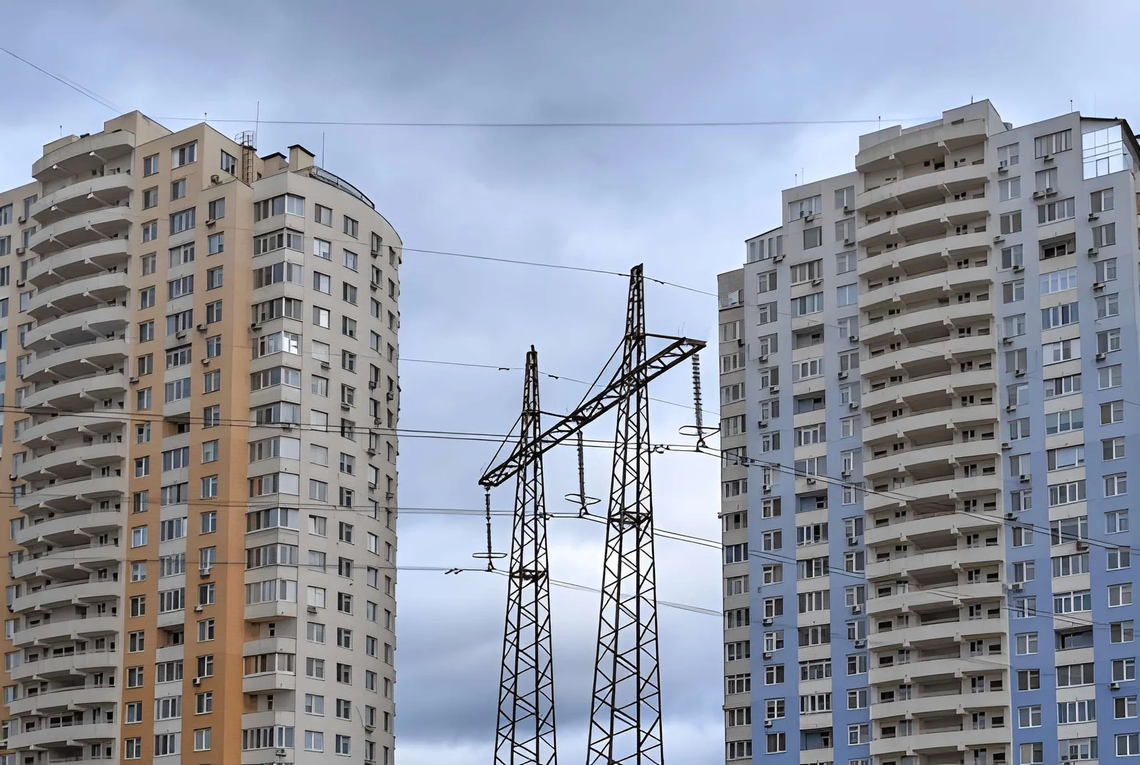
What Should You Know About Shared Utility Connections in Multi-Unit Buildings?
A tenant in a six-unit building notices her water bill jumped by half. She runs the same number of loads and takes the same showers. The reason sits two floors down, where a neighbor’s leaking toilet is feeding the same shared meter. In many apartments and condos, one line, one meter, or one shutoff valve serves several households at once. That arrangement works until something goes wrong, or until a bill needs to be divided. So what should you know about shared utility connections in multi-unit buildings?
This article explains how shared connections work, how bills get split, who can shut things off, and what to ask before you rent or buy. You will find a quick answer, a billing models table, a four-question check, a table showing why rules differ by state, a pre-signing checklist, a safety note, and the mistakes that lead to surprise charges. It suits renters, condo buyers, and small landlords across the US. Read the quick answer first, then use the sections that fit your situation.
Quick Answer: Shared Utility Connections in Multi-Unit Buildings
In many multi-unit buildings, one master meter measures usage for the whole property, and the property is responsible for the entire utility bill. Costs are then passed to residents through rent, fees, submeters, or a formula. Shared pipes, wires, and shutoffs mean one unit’s problem can affect others, so know your lease, your bill method, and your emergency contacts.
How Bills Get Divided
| Model | How it works | What to check |
|---|---|---|
| Master meter, included in rent | Landlord pays, cost is built into rent | Is any utility cap or fee listed? |
| Submetering | Owners read each submeter and send individual bills | Meter accuracy, billing fees |
| RUBS | Allocates collective costs by a formula, such as unit size and occupancy | The formula, and whether you can review the master bill |
Shared spaces such as hallways may have their own submeter, with costs added to rent or fees.
Ask Four Questions
| Question | Why it matters |
|---|---|
| Who owns the meter? | Determines who handles meter problems |
| Who owns the line or wire? | Decides who repairs a shared pipe or panel |
| Who pays, and how is it split? | Prevents billing surprises |
| Who can shut it off? | Affects emergencies and outages |
Rules Vary by State and City
| Example | What sources say |
|---|---|
| California | RUBS payments count as part of rent |
| Texas | Owners may not charge above what the utility bills them |
| Illinois | The building total may not exceed the utility’s bill |
| Some states | Limit the ability to submeter utilities |
| Overall | RUBS legality is a patchwork that shifts by state and city |
When no statute clearly settles the question, the law may be unsettled or silent. Check with your state utility commission or tenant agency.
Before You Sign or Buy
- Read the utility clause in your lease or condo declaration.
- Ask for the billing method and sample bills for a similar unit.
- Request the formula if the building uses RUBS.
- Locate your unit’s shutoffs, and ask about the building’s main shutoffs.
- Ask who to call after hours for leaks, gas smells, or outages.
- Find out about past outages or shared-system repairs.
- Check renters or condo insurance for water damage coverage.
Safety Note
If you smell gas, leave and call 911 and the gas utility. Don’t operate building-wide shutoffs unless instructed. If your unit leaks, close the local shutoff, tell the landlord or board in writing, and photograph the damage. Landlords generally need reasonable access for repairs, so respond to notices.
Mistakes to Avoid
The most common mistake is assuming the bill reflects only your use. Another is skipping the lease clause on utilities. Not asking about billing fees is a third error. Ignoring leaks, since a shared meter can hide them, hurts everyone. Finally, don’t assume the law protects you without checking local rules.
FAQ
Can a landlord charge me for common-area electricity?
It depends on your lease and state rules. Ask for the policy in writing.
Who fixes a shared pipe?
Usually the owner or HOA, depending on the legal documents.
Bottom Line: Know Who Owns, Pays, and Controls
Shared utility connections in multi-unit buildings affect your bills and your risk. Ask who owns the meter and the line, how costs are split, and who controls the shutoffs. Read the lease or declaration, and check your local rules.
Must visit https://decoratoradvice.fr/ for utility connection ideas in multi-unit buildings.

Jessica X
Writer at DecoratorAdvice com, sharing practical home design insights, décor trends, and expert tips to help readers create beautiful, functional living spaces.


You May Also Like
Which Wallpaper Designs Suit Small Hallways Best?
What Makes a Front Entrance Instantly Captivating?