How Can Homeowners Investigate Repeated Pest Activity Without Guesswork?
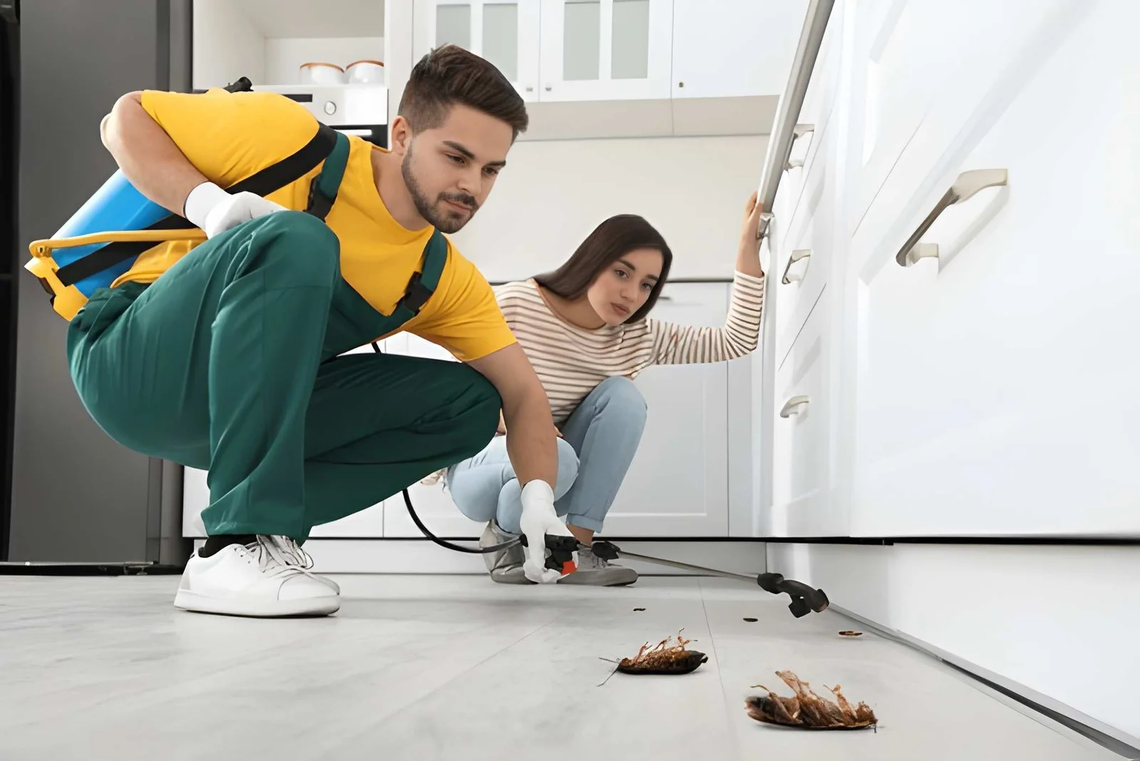
The ants come back every spring. The mouse you caught in October has a relative in January. You spray, set traps, buy another product, and the problem returns. Most repeat pest problems are not caused by weak products. They happen because the treatment targeted the pest, while the house kept offering food, water, and a way in. Guessing leads to repeating. So how can homeowners investigate repeated pest activity without guesswork?
The answer is to treat it like detective work and keep a simple evidence log. Three questions matter: what is it, how is it getting in, and why is it staying. This guide shows how to answer each one with inspection, monitoring, and a few cheap tools. You will find a quick answer, a sign-reading table, a trap-monitoring plan, an entry and conditions checklist, a table for when to call a professional, a safety note, and the mistakes that keep pests coming back. It suits houses, condos, and rentals across the US. Read the quick answer first, then use the sections that fit your home.
How Do You Investigate Repeated Pest Activity?
To investigate repeated pest activity, inspect the home, identify the pest, find entry points, and determine the conditions supporting it. Look for entry gaps, such as gaps beneath doors, foundation cracks, and damaged screens, and for the food, moisture, and shelter that support pests. Monitor with traps, then treat only the confirmed cause.
Read the Signs
Start by looking for pests, signs of pests and damage, such as droppings and cast skins, and conditions favorable to them.
| Sign | Possible pest | Where to look |
|---|---|---|
| Small dark droppings, gnaw marks | Mice or rats | Pantry corners, behind appliances |
| Sawdust-like piles, tiny holes in wood | Wood-boring insects | Beams, trim, furniture |
| Mud tubes on foundation | Termites | Crawl space, foundation |
| Trails of small insects | Ants | Counters, windows, sinks |
| Shed skins, dark spots on seams | Bed bugs or cockroaches | Mattress seams, cabinets |
Correct identification matters because different pests require different treatments. If unsure, take a photo or collect a sample for your local extension office.
Monitor With Evidence
Trapping can show exactly what kind of pests you have. Use sticky traps or snap traps and keep a log.
| Step | What to do |
|---|---|
| Place | Along walls, under sinks, near entry points, and behind appliances |
| Label | Number each trap and sketch a floor plan |
| Check | Every few days |
| Record | Date, location, and count |
| Compare | Find where catches cluster |
If traps keep catching rodents, they are likely entering easily. A map of catches points to the route.
Find Entry Points and Conditions
| Check | What to find | Fix |
|---|---|---|
| Doors and windows | Gaps, worn sweeps, damaged screens | Seal and replace |
| Foundation and utility lines | Cracks, openings around pipes | Caulk or mesh |
| Moisture | Leaks, damp basements, clogged gutters | Repair and dry. Moisture is a significant attractant |
| Food | Open pantry items, pet food, trash | Seal and store |
| Shelter | Clutter, stacked boxes, woodpiles | Clear and elevate |
Exclusion is often the easiest, most cost-effective, long-term non-chemical approach. Spraying first and asking questions later is how many problems become recurring ones.
When to Call a Professional
| Situation | Why |
|---|---|
| Termites, bed bugs, or stinging insects | Hard to treat safely |
| Rodents in walls or attics | Entry and health risks |
| Problem returns after sealing and sanitation | May need advanced diagnosis |
| Large infestation | Faster control |
Choose a licensed company, ask about its inspection process, and request a written plan.
Safety Note
Read and follow every pesticide label, and keep products and traps out of reach of children and pets. Don’t mix chemicals. For rodent droppings, follow CDC cleanup guidance, which avoids sweeping dry waste. Wear gloves, and call a professional if you suspect a nest.
Mistakes to Avoid
The most common mistake is treating before identifying. Another is ignoring moisture. Sealing only some entry points is a third error. Using more products won’t help if conditions stay the same. Finally, don’t stop monitoring after the first catch.
FAQ
How long should I monitor?
Usually a couple of weeks, longer if activity continues.
Do I need a professional every time?
Not always, but repeat or severe problems deserve one.
Bottom Line: Replace Guesswork With a Log
Homeowners can investigate repeated pest activity by identifying the pest, mapping where it appears, closing entry points, and fixing food, water, and shelter. Keep a log, treat only confirmed problems, and call a licensed professional when needed. Evidence beats guesses.
For investigating repeated pest activity must visit https://decoratoradvice.fr/

Jessica X
Writer at DecoratorAdvice com, sharing practical home design insights, décor trends, and expert tips to help readers create beautiful, functional living spaces.


You May Also Like
What Causes Water Pressure to Change Throughout a Residential Property?
How Can Homeowners Identify Hidden Water Leaks Before Visible Damage Appears?