
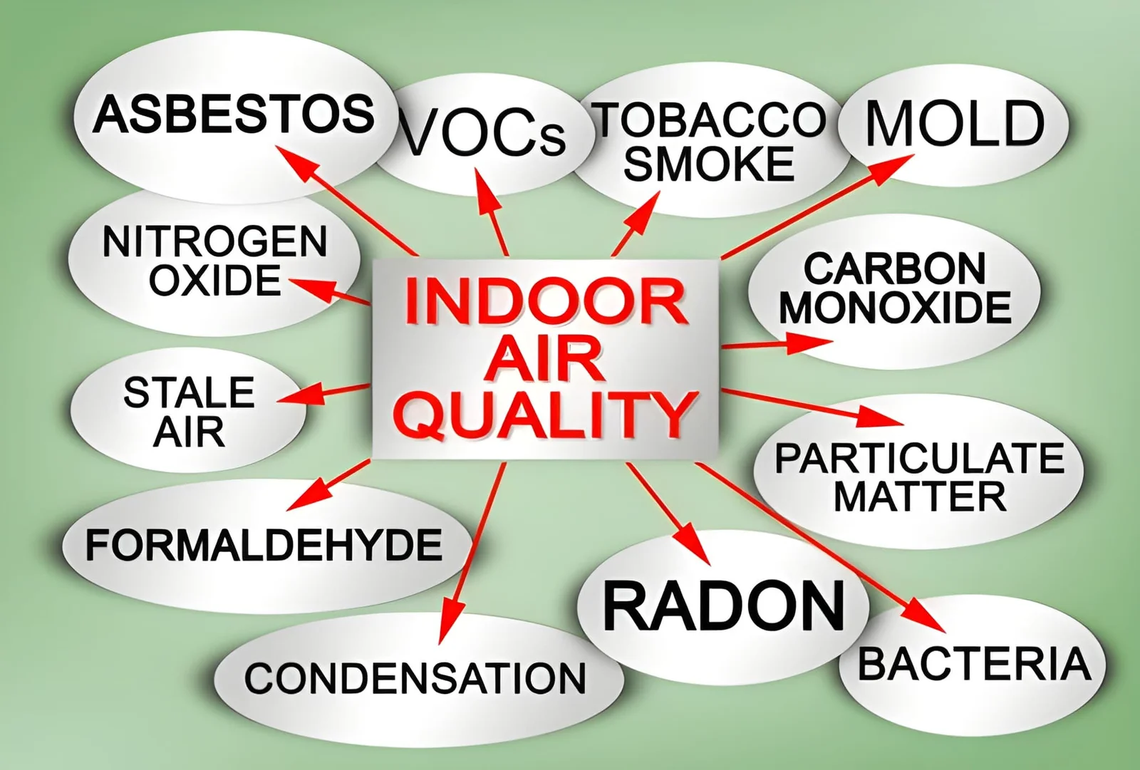
Why Can Indoor Air Quality Change After Installing New Building Materials?
The new floors look perfect. The paint is dry, the cabinets are in, and the house smells strongly of something sharp and sweet. A few days later, someone gets a headache or a scratchy throat, and nobody connects it to the remodel. Tighter, better-sealed homes hold on to whatever the materials release. So why can indoor air quality change after installing new building materials, and what can you do about it?
The short answer is that many products release gases for days or weeks after installation. This article explains the process with a simple model of three clocks: how fast materials emit, how long fresh air actually helps, and how many sources stack up at once. You will find a quick answer, a table of common sources, a schedule that gets the order of work right, a shopping checklist, a section on when to worry, and the mistakes that trap fumes indoors. It suits owners, renovators, and parents of young children across the US. Read the quick answer first, then use the sections that fit your project.
Why Can Indoor Air Quality Change After Installing New Building Materials?
Indoor air quality can change because new materials release volatile organic compounds, or VOCs, and other gases. Emissions are usually highest right after application or installation and then fall, though the timeline varies widely by product. A tightly sealed home can hold those gases at higher levels than outdoor air.
The Three Clocks
| Clock | What it means | What to do |
|---|---|---|
| Emission clock | Products release gases fastest at first, then slow down | Install early, and delay move-in |
| Airflow clock | Fresh air dilutes pollutants only while it flows. Research found short-term ventilation lowered VOCs mainly during the period of extra ventilation | Ventilate steadily, not once |
| Stack clock | Using several products at once can mix several chemical fumes in the same room | Stagger projects |
Common Sources
| Material | What it may release | Notes |
|---|---|---|
| Plywood, particleboard, MDF | Formaldehyde, a common component of composite wood, foam insulation, glues, and fabrics | Look for low-formaldehyde labels |
| Paint, stain, varnish, sealers | VOCs | “Low-VOC” definitions vary by manufacturer |
| Adhesives and caulk | VOCs | Use only where needed |
| New carpet and cushion | VOCs | Air out before install if possible |
| Cleaning sprays | Can react with VOCs to create new pollutants | Skip heavy fragrance after install |
Schedule the Work in the Right Order
- Do the highest-emitting jobs first, such as finishing floors and painting.
- Finish products outside when possible. Allow materials containing VOCs to off-gas outside, and apply finishes outdoors before bringing items in.
- Add exhaust ventilation and keep it running through curing.
- Wait before moving in or sleeping in the room, and keep children and pets away.
- Install soft goods last, since carpet and fabrics can absorb fumes.
Shopping Checklist
| Check | Why |
|---|---|
| Low-emission or low-VOC labels | Ask your contractor, since definitions differ |
| ANSI-compliant lower-formaldehyde composite wood | Reduces formaldehyde |
| Solid wood with low-emitting finishes | An EPA-suggested strategy |
| Pre-finished materials | Less finishing indoors |
| Sealed pressed-wood edges | Sealing surfaces should reduce emission rates |
When to Worry
Headaches, burning eyes, sore throat, or breathing trouble that improve when you leave the house deserve attention. Stop work, ventilate, and talk to a doctor if symptoms persist. For older homes, materials may contain asbestos, and homes built before 1978 are likely to contain lead paint, so test before demolition.
Mistakes to Avoid
The most common mistake is opening windows once and calling it done. Another is moving furniture in while materials are still emitting. Mixing many projects at once is a third error. Storing leftover paint in the house creates a lasting source. Finally, don’t mask odors with air fresheners.
FAQ
How long do new materials off-gas?
It varies by product, from days to months.
Do air purifiers help?
They may help with particles, but source control and ventilation come first.
Bottom Line: Control the Source, Then the Airflow
Indoor air quality can change after installing new building materials because emissions start high, airflow only helps while it runs, and sources stack up. Choose low-emission products, sequence the work, ventilate steadily, and delay move-in. Healthy air starts with the materials you choose.
For improving air quality must visit https://decoratoradvice.fr/

Jessica X
Writer at DecoratorAdvice com, sharing practical home design insights, décor trends, and expert tips to help readers create beautiful, functional living spaces.


You May Also Like
How Can Homeowners Investigate Repeated Pest Activity Without Guesswork?
Why Do Electrical Breakers Trip Even When Appliances Appear to Work Normally?