Why Do Some Exterior Walls Develop White Powdery Deposits?
You scrub the white film off the brick on Saturday. By the next rainy week, it is back, as if the wall remembers where it was. Homeowners often blame the paint, the mortar, or a bad batch of bricks. The wall is usually telling you something simpler: water is moving through it. So why do some exterior walls develop white powdery deposits? The deposit is a salt left behind when moisture evaporates at the surface, a process called efflorescence. It is rarely dangerous by itself, but it works like a moisture detector. This guide explains what forms the deposit, how to tell it from mold, how to trace the water that causes it, and what to fix. You will find a quick answer, the three-condition rule, a water trail table, a simple test, a repair order, and a short FAQ. A stiff brush and a rainy week of observation are enough to start.
Why Do Some Exterior Walls Develop White Powdery Deposits?
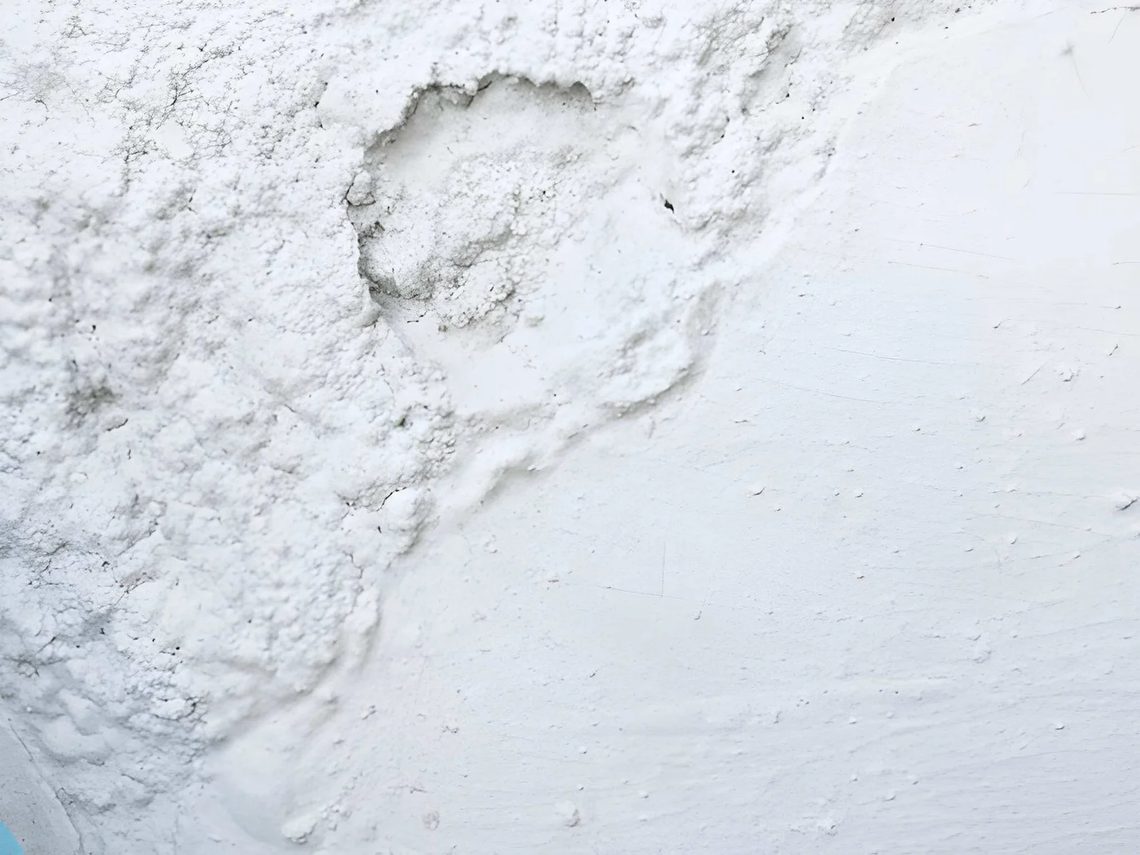
Exterior walls develop white powdery deposits when water dissolves soluble salts inside brick, mortar, concrete, or stucco and carries them to the surface. As the water evaporates, the salts crystallize and leave a white powder. Some walls show it because they are wetter, more porous, or contain more salts than others.
What Is the Three-Condition Rule?
Efflorescence needs all three conditions. Think of it as salts plus moisture plus an evaporation path. Remove one and the deposit stops.
| Condition | Where It Comes From | Can You Control It? |
|---|---|---|
| Soluble salts | Mortar, bricks, and cement-based materials can contain soluble compounds | Rarely, except in new construction |
| Moisture | Rain, groundwater, leaks, splash, and condensation | Yes, and this is the best fix |
| Evaporation path | Porous surface where moisture escapes | Sometimes, but sealing can backfire |
When a surface is sealed, white blush can form under the sealer instead, so sealing is not a cure for a wet wall.
Where Is the Water Coming From?
Read the position of the deposit. It often points to the source.
| Location on Wall | Likely Water Source | What to Check |
|---|---|---|
| Near the ground | Rising ground moisture, splash, or poor grading | Soil slope, sprinklers, and downspout outlets |
| Under windows | Failed sills, caulk, or flashing | Joints and water tracks |
| Below balconies or decks | Leaks from above | Slab edges, drains, and flashing |
| Below roof edges and gutters | Overflow or leaking gutters | Gutters, downspouts, and roof drip edges |
| Around chimneys and parapets | Cracked caps or open mortar joints | Caps, copings, and joints |
| Retaining walls | Trapped soil water | Drainage behind the wall |
| Irregular patches | Hidden leaks or plumbing | Hose bibs and pipes in the wall |
Poorly detailed flashings or damp-proof courses, and rain on fresh masonry during construction, also contribute. It commonly forms in winter, when rain and snow add moisture, although it can appear in any season.
Is It Efflorescence or Mold?
| Clue | Efflorescence | Mold |
|---|---|---|
| Texture | Dry, crystalline, powdery | Fuzzy, slimy, or spotty |
| Color | White, gray, sometimes yellow-tinted | Black, green, brown, or white |
| Smell | None | Often musty |
| Water test | Tends to dissolve or disappear when wetted | Does not dissolve |
| Health | Not a health risk itself, but excess moisture can lead to mold | Can affect air quality |
If you are unsure, treat it as mold until a professional says otherwise.
What Should You Fix First?
- Stop the water. The first step is to identify and eliminate the moisture source.
- Clean the deposits. Fresh deposits can be scrubbed off with a stiff, non-metallic brush, and the loosened salt swept away so it is not reabsorbed. Avoid forcing water deep into the wall, because pressure washers can drive salts deeper into the brickwork.
- Let the wall dry before treating it.
- Repair the cause. Fix gutters, grading, flashing, caulk, and cracked mortar.
- Monitor for two weeks of dry weather and rain. If it returns in the same spot, the moisture is still active.
Cleaning is often not a one-time job, because walls may release old salts for a while.
Frequently Asked Questions
Is it harmful to my house?
The powder is not harmful by itself, but it signals moisture that may damage materials.
Should I seal the wall?
Not before you stop the water. Sealing a wet wall can trap moisture.
Does it affect new construction?
Yes. New masonry often releases salts in its first seasons, and it usually fades.
Bottom Line
White powder is a clue, not a stain to hide. Read where it appears, trace the water, fix the source, and clean afterward. If the deposit keeps returning or the wall feels damp inside, call a masonry or building professional.
Must visit https://decoratoradvice.fr/ for more exterior wall ideas.

Jessica X
Writer at DecoratorAdvice com, sharing practical home design insights, décor trends, and expert tips to help readers create beautiful, functional living spaces.

You May Also Like
What Should You Know About Radon Testing Before Purchasing a Property?
Why Do Some Houses Develop Persistent Condensation Even With Regular Ventilation?