Can Clever Space Planning Completely Change Your Home?
You can spend thousands on a new sofa and still hate the room. That usually means the problem was never the sofa. It was where it sits, what it blocks and how people have to walk around it. Layout shapes every minute you spend at home: how easily you cook, how well a room hosts guests, whether a small flat feels airy or cramped. So, can clever space planning completely change your home? In most cases, yes, and it often costs nothing but a free afternoon and a tape measure. Designers plan space before they choose a single finish, because a good layout makes average furniture work and a poor one makes expensive furniture fail. This guide covers the core ideas: zoning, clearances, furniture placement, storage and flow. You’ll find three reference tables with standard measurements, a simple room audit, a common-mistakes list and short answers to the questions people ask most.
Can Clever Space Planning Completely Change Your Home?
Yes. Clever space planning changes how a home looks, feels and functions without structural work. By defining zones, keeping clear walkways, sizing furniture to the room and placing storage where it is used, you can make the same floor area feel larger, calmer and easier to live in.
| What changes | Before planning | After planning |
|---|---|---|
| Movement | Squeezing past furniture | Clear, direct paths |
| Light | Blocked by tall pieces | Reaches deeper into rooms |
| Use | One room, one function | Zones for work, rest, dining |
| Clutter | Items without homes | Storage near point of use |
| Feel | Crowded | Open and deliberate |
How Does Zoning Make Rooms Work Harder?
A zone is an area with one job. In an open-plan space you might have a seating zone, a dining zone and a desk corner. In a bedroom you might have sleeping, dressing and reading.
Define zones without walls by using rugs, lighting and furniture backs. A rug under the sofa group marks the lounge. A pendant light over the table marks dining. A bookcase placed at right angles to a wall can divide a room while still letting light through.
Start by writing down what each room is actually used for, not what it was designed for. A spare room that’s used as a wardrobe and laptop desk needs a plan for both.
Which Measurements Does Clever Space Planning Rely On?
Most good layouts follow a few standard clearances. These are widely used design guidelines, and you should adjust them for accessibility needs and your own room.
| Situation | Typical clearance |
|---|---|
| Main walkway | About 91 cm (36 in) |
| Secondary path | About 76 cm (30 in) |
| Sofa to coffee table | 35 to 45 cm (14 to 18 in) |
| Dining table edge to wall | About 91 cm (36 in) for chair movement |
| Bed side access | About 60 to 75 cm (24 to 30 in) |
| Kitchen work triangle | Total of roughly 4 to 8 m (13 to 26 ft) |
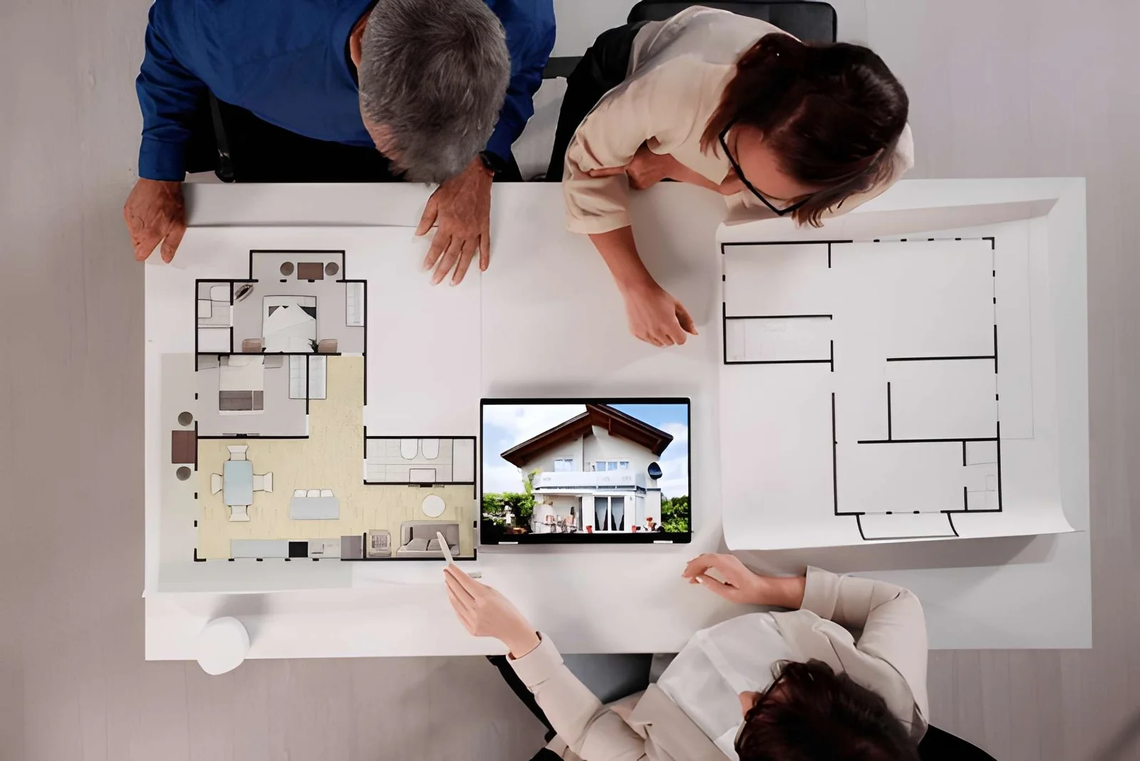
Tape these on the floor with masking tape before moving anything heavy. Walk the paths with a laundry basket. If you bump into things, the plan needs adjusting.
How Do You Place Furniture So a Room Feels Bigger?
Pull furniture off the walls slightly when the room allows. Even 10 to 15 cm of gap gives the room breathing space and makes a sofa feel intentional. Float the main seating group so people face each other, and keep the largest piece opposite the main entry or view.
Choose scale carefully. One generous sofa often works better than a sofa plus two awkward chairs. Slim legs, open bases and wall-mounted lighting show more floor, which makes the room feel wider. If you want help picking furniture that fits tight layouts, your anchor text is a sensible next step.
| Room type | Common planning problem | Quick fix |
|---|---|---|
| Small living room | Oversized sectional | Choose a compact sofa and a pouf |
| Narrow hallway | Bulky console | Use a wall-mounted shelf |
| Open-plan | No visual separation | Add rug and lighting zones |
| Bedroom | Bed blocks window or door | Rotate bed, use symmetry |
| Home office | Desk in a traffic path | Move to a corner or alcove |
Why Does Storage Belong in the Plan From the Start?
Clutter is mostly a placement problem. Keep things close to where they’re used: shoes and keys by the door, towels near the bathroom, chargers where the sofa is. Use vertical space with tall shelves, over-door racks and high cabinets, and keep floor-level pieces for daily items. When clever space planning includes storage early, you avoid piling baskets in corners later.
What Planning Mistakes Cost You the Most Space?
| Mistake | Effect | Fix |
|---|---|---|
| Buying furniture before measuring | Pieces don’t fit | Measure, then tape the footprint |
| Blocking windows | Rooms feel dark | Keep sightlines clear |
| Pushing everything to walls | Dead centre of room | Float key pieces |
| Ignoring door swings | Collisions | Mark swing arcs on the plan |
| No focal point | Eye wanders | Choose one wall or view as anchor |
A 30-Minute Room Audit
- Sketch the room with doors, windows and sockets.
- List what each person does there.
- Mark walkways at 90 cm.
- Place the largest piece first, then work down in size.
- Tape the plan on the floor and live with it for a day.
Frequently Asked Questions
Do I need a designer for space planning?
Not for most rooms. A tape measure, graph paper or a free floor-plan app is enough. A designer helps most with structural changes or awkward layouts.
Can space planning make a small home feel larger?
Yes. Clear paths, lighter furniture, mirrors opposite windows and floating layouts make small rooms feel more open.
How long does it take?
A single room can be replanned in an afternoon. Whole-home plans take a weekend.
What should I do first?
Measure the room and list what you need it to do. Everything else follows from that.
Final Thoughts
So, can clever space planning completely change your home? In my view and in the view of most designers, it’s the highest-value change you can make before spending anything on decor. Measure, define zones, protect your walkways, size pieces to the room and give every object a home. Start with the room you complain about most, and move one piece today.
For clever space planning ideas must visit https://decoratoradvice.fr/

Jessica X
Writer at DecoratorAdvice com, sharing practical home design insights, décor trends, and expert tips to help readers create beautiful, functional living spaces.


You May Also Like
Why Should Only Hotels Have Bathrooms That Feel Amazing?
What Is https//DecoratorAdvice.com? The Trusted Source for Home Design, Decor Ideas & Expert Decorating Advice