Home Advice Decadgarden Will Make Your Neighbors Stop and Stare
Most front yards look fine. Fine is forgettable. If you’ve ever driven past a house and actually slowed down to look, that reaction wasn’t an accident, it was designed. That’s the whole idea behind Decadgarden: a handful of intentional, layered choices that turn an ordinary yard into the one people talk about on their evening walk.
You don’t need a landscaping crew or a five-figure budget to get there. What you need is a plan that hits height, light, and color in the right order, so the eye has somewhere to travel instead of landing on one flat lawn. This article covers the layering trick most homeowners skip, common lighting mistakes, plant choices that reward you in every season, and a quick checklist you can use before your next garden center run. By the end, you’ll have a working Decadgarden method, not just inspiration you’ll forget by Tuesday.
What Is the Decadgarden Approach, Exactly?
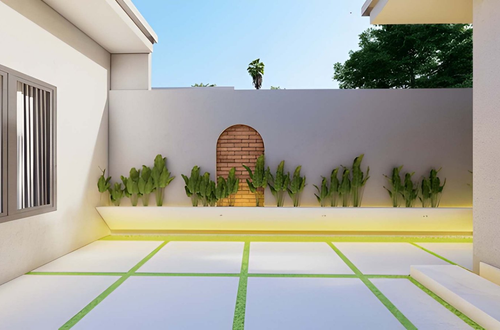
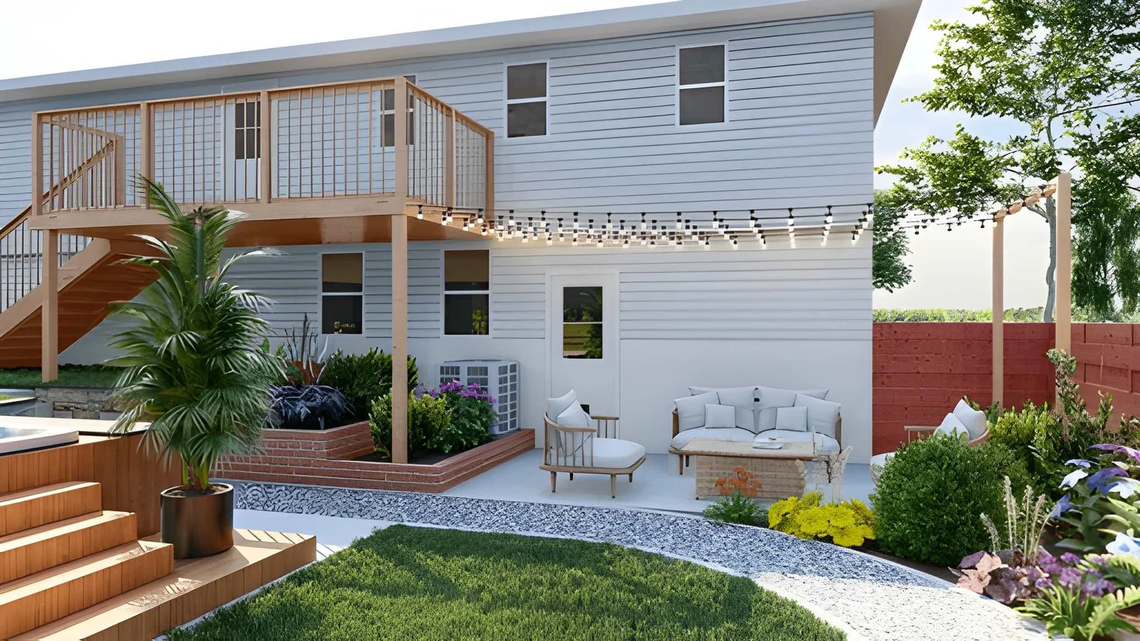
Decadgarden is less a single style and more a sequencing rule: plant and place things so the yard has a foreground, a middle layer, and a backdrop, the same way a photographer composes a shot. A single flower bed against a wall reads as decoration. The same bed with a low border, mid-height shrubs, and one tall anchor plant reads as a designed space. That contrast in height is what makes visitors actually notice a yard instead of walking past it.
Layering: The Trick Most Yards Skip
Flat yards feel unfinished because everything sits at the same eye level. A Decadgarden layout usually breaks into three bands:
| Layer | Height Range | Example Plants | Purpose |
|---|---|---|---|
| Foreground | 6-12 inches | Sweet alyssum, creeping thyme | Softens edges, fills gaps |
| Midground | 1-3 feet | Hydrangea, salvia, ornamental grass | Adds bulk and color mass |
| Backdrop | 4+ feet | Arborvitae, crepe myrtle, climbing vine on trellis | Frames the space, adds privacy |
Start with the backdrop layer first. It’s tempting to buy flowers before structure, but a yard planted back-to-front almost always looks lopsided by midsummer.
Lighting Choices That Make or Break the Effect
Most homeowners install one flood light and call it done, which is exactly why the yard looks flat after sunset. A better approach uses three light types, each doing a different job.
| Light Type | Best Use | Common Mistake |
|---|---|---|
| Uplighting | Highlighting trees or architectural features | Placed too close, causing glare |
| Path lighting | Guiding walkways safely | Spaced too far apart, leaving dark gaps |
| Accent spotlights | Drawing attention to a focal plant or sculpture | Aimed straight down instead of at an angle |
Angled uplighting on one specimen tree does more for curb appeal after dark than five scattered spotlights ever will.
Which Plants Actually Reward You Year-Round?
A yard that only performs in June isn’t a Decadgarden yard, it’s a spring yard. Real four-season interest comes from mixing bloom times with plants that hold their structure through winter. Ornamental grasses, for instance, catch morning frost beautifully and rustle in wind when nothing else in the bed is doing much of anything. Evergreen shrubs anchor the space when deciduous plants go bare. If you’re unsure which perennials suit your climate zone, the USDA Plant Hardiness Zone Map is worth checking before you buy anything.
Small Details That Get Noticed
Neighbors rarely stop for the biggest plant in the yard. They stop for small, deliberate things: a curved stone border, one oversized planter by the front door, a birdbath placed where afternoon light hits it. These are cheap moves compared to hardscaping, and they make a yard feel considered rather than assembled.
Quick Decadgarden Checklist
- Plant backdrop layer before flowers
- Use three light types, not one flood light
- Mix bloom times so something is always happening
- Add one oversized or unusual container near the entry
- Keep at least one evergreen for winter structure
Get these five right and the yard stops being background noise. That’s the entire point of a Decadgarden setup: not more plants, just better sequencing of the ones you already have.
Frequently Asked Questions
Is Decadgarden expensive to pull off? Not necessarily. Layering and lighting matter more than the price tag of individual plants. A well-sequenced bed of budget perennials beats an expensive collection planted flat.
How long before a Decadgarden yard looks established? Most layouts look intentional within one growing season, once the backdrop fills in. Shrubs and small trees usually need two to three years to fully mature.
Do I need a professional to design one? No. The three-layer structure and multi-light approach are things most homeowners can plan and plant themselves over a weekend or two.
What’s the biggest mistake people make? Planting flowers before structure. Without a backdrop layer in place first, beds tend to look scattered no matter how many blooms get added later.
Bottom Line
A noticed yard isn’t about spending more, it’s about sequencing what you plant and how you light it. Structure first, height layered back to front, more than one light type, something alive through winter. That’s the whole Decadgarden method, repeatable on almost any budget or lot size.
For home advice decadgarden must visit https://decoratoradvice.fr/

Jessica X
Writer at DecoratorAdvice com, sharing practical home design insights, décor trends, and expert tips to help readers create beautiful, functional living spaces.


You May Also Like
From Messy to Magnificent Yard Guide

Backyard Hacks Decadgarden: Which Changes Make the Biggest Difference on a Tight Budget?