10 Decoradyard Garden Tips That Cost Almost Nothing to Try
Most garden advice assumes you have a landscaper’s budget. You don’t need one. The biggest gains in any backyard come from decisions, not dollars — how you prepare the soil, where you put plants, how you water, and what you choose to skip.
These decoradyard garden tips focus on exactly that. Each one is practical, tested, and cheap enough that the hardest part is actually doing it. No expensive tools, no contractor quotes, no waiting for a big seasonal project. Just clear actions that a US homeowner can take this weekend with what’s already in the garage or at the nearest dollar store.
Below, you’ll find ten tips that cover the full picture — soil, watering, plant placement, zoning, lighting, and low-cost decoration — along with a quick-reference table so you can decide where to start. Whether your yard is a postage stamp or half an acre, every tip on this list applies.
Quick-Reference: What Each Tip Fixes
| Tip | What It Solves | Estimated Cost | Time to See Results |
| 1. Mulch around existing plants | Water waste, weeds, dry soil | $5–$10 | Immediate |
| 2. Start a kitchen compost bin | Poor soil, fertilizer cost | $0 | 6–8 weeks |
| 3. Water early morning only | Fungal disease, evaporation loss | $0 | 2–3 weeks |
| 4. Divide overgrown perennials | Bare spots, plant cost | $0 | One growing season |
| 5. Define zones with gravel paths | Cluttered, purposeless layout | $8–$15 | Same day |
| 6. Propagate cuttings | Empty beds, plant expense | $0 | 4–6 weeks |
| 7. Add solar path lights | Flat, lifeless yard after dark | $10–$20 | Same night |
| 8. Group plants by water needs | Overwatering, plant death | $0 | Ongoing |
| 9. Use vertical space with trellises | Small yard, wasted fence line | $5–$12 | One season |
| 10. Repurpose containers as planters | No bed space, bare patio | $0 | Same day |
Decoradyard Garden Tips 1–5: Start With the Soil and Water
1. Mulch What You Already Have
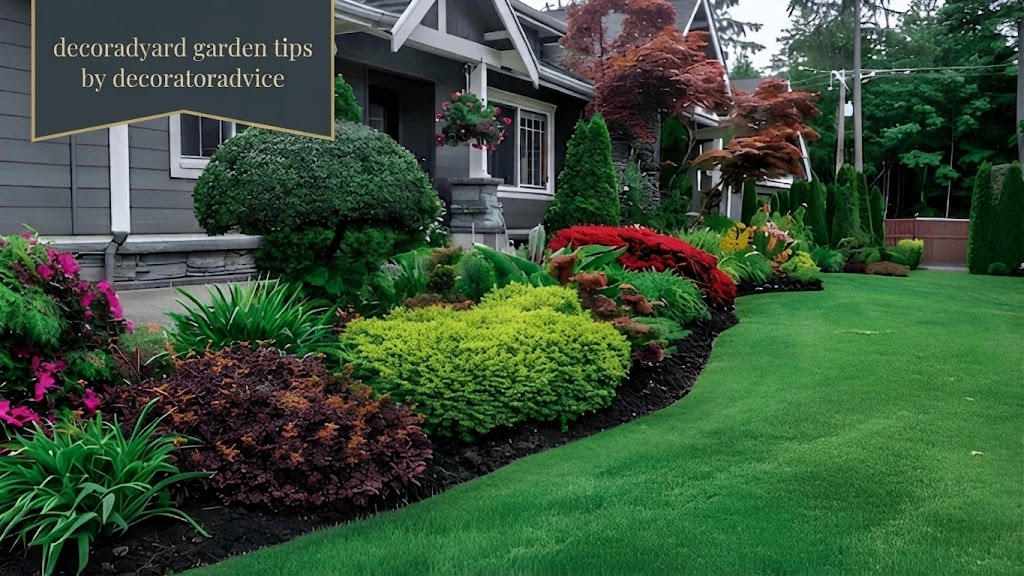
A 2-to-3-inch layer of wood chip or shredded leaf mulch around your existing plants does three things at once: slows water evaporation, suppresses weeds, and slowly feeds the soil as it breaks down. You don’t need to replant anything. Just cover the bare ground between what’s already there. A bag of mulch runs $5 to $8 at any hardware store. If you have deciduous trees, the fall leaves are free.
2. Compost Your Kitchen Scraps
Vegetable peels, coffee grounds, eggshells, and fruit cores all break down into compost that works as well as store-bought fertilizer. A plastic bin with a lid set in a corner of the yard costs nothing if you repurpose an old container. Turn it once a week, keep the ratio roughly two-thirds brown material (dried leaves, cardboard) to one-third green (food scraps), and you’ll have usable compost in six to eight weeks. Most US smart home owners throw away everything they need to feed their garden.
3. Water Early — Only Early
Watering at noon or evening causes two problems: midday sun evaporates most of it before it reaches roots, and evening watering leaves foliage wet overnight, inviting fungal disease. Water between 6 and 9 a.m. Plants absorb more, lose less, and stay healthier. This costs nothing and takes the same amount of time as watering at the wrong hour.
4. Divide Perennials That Have Outgrown Their Spot
Hostas, daylilies, ornamental grasses, and coneflowers all multiply underground over time. If a clump has gotten thick and crowded, dig it up in early spring or fall, split it with a spade, and replant the divisions wherever the yard looks bare. You’re not buying plants — you’re moving the ones you already paid for. This is how gardeners who always seem to have full beds actually do it.
5. Define Zones With Gravel or Edging
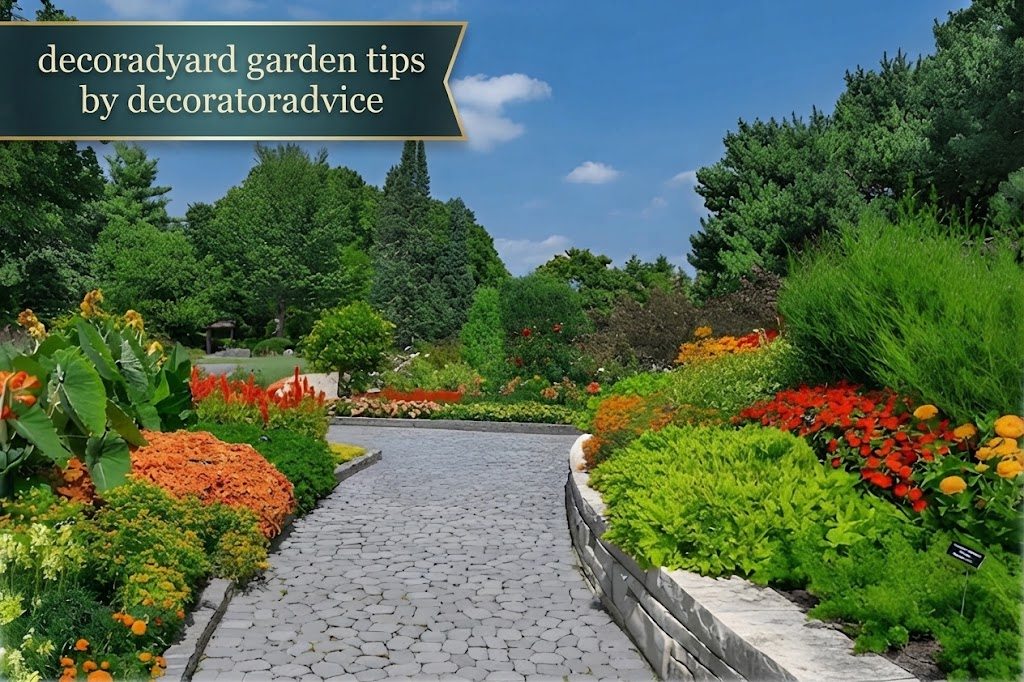
A yard without clear edges looks messy even when the plants are healthy. A simple gravel path — even a narrow one dug by hand and filled from a $10 bag — splits a yard into sections that feel intentional. A seating corner, a planting bed, a lawn area. Same plants, same furniture, but the yard now has a structure people can read at a glance. This is one of the most underused decoradyard garden tips for small yards specifically.
Decoradyard Garden Tips 6–10: Space, Light, and Low-Cost Style
6. Propagate Cuttings Instead of Buying New Plants
Pothos, basil, mint, rosemary, and many flowering perennials root easily from stem cuttings in a glass of water. Snip a 4-to-6-inch stem just below a leaf node, remove the lower leaves, and place it in water on a windowsill. Roots appear in two to four weeks. Pot it up once the roots are an inch long. This turns one plant into five for free.
7. Add Solar Lights Along Paths
Most yards disappear after dark. A row of solar stake lights along a path or border costs $10 to $20, requires no wiring, and completely changes how the yard reads in the evening. The newer frosted glass designs look far better than the plastic stakes of five years ago. Place them in a spot that gets at least six hours of direct sunlight for reliable evening output.
8. Group Plants by Water Needs
Drought-tolerant plants like lavender and sedum placed next to thirsty plants like impatiens creates a problem: either the lavender rots from overwatering or the impatiens wilts from too little. Group plants with similar water requirements together. This isn’t a design rule — it’s a survival rule. It also simplifies watering into predictable zones rather than plant-by-plant guessing.
| Water Need | Good US Plant Choices | Watering Frequency (Summer) |
| Low (drought-tolerant) | Lavender, sedum, ornamental grasses, black-eyed Susan | Once per week or less |
| Medium | Coneflower, salvia, daylily, hostas | Every 3–4 days |
| High | Impatiens, ferns, astilbes, tomatoes | Daily in heat above 85°F |
9. Use Fences and Walls With Trellises
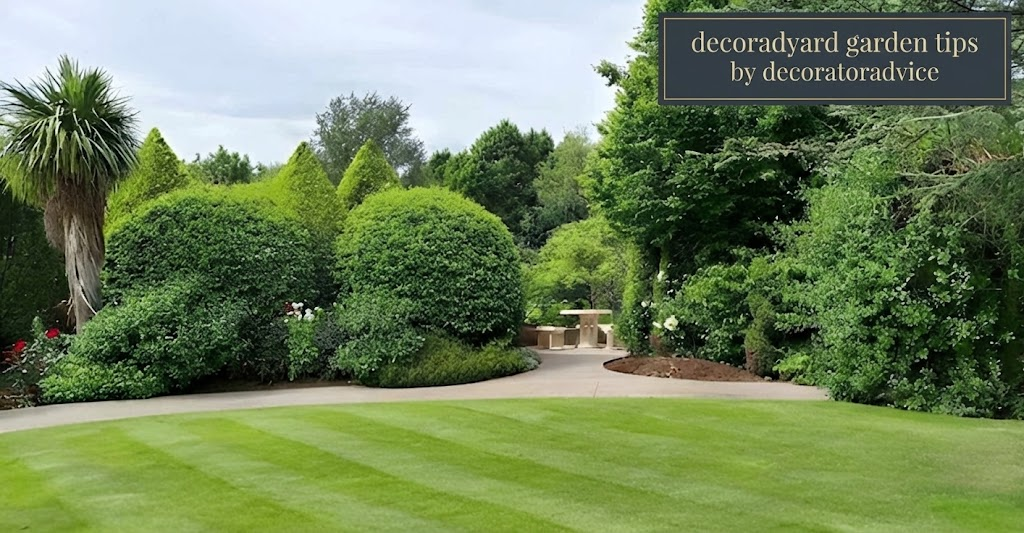
Vertical space is the most ignored resource in most US backyards. A $5 to $12 wooden or wire trellis mounted to a fence line lets climbing plants — beans, clematis, morning glory, cucumbers — grow up instead of out. This adds visual height, screens unattractive fences, and creates privacy without building anything permanent. In a small yard, this one change can make the whole space feel taller and more structured.
10. Turn Old Containers Into Planters
Colanders, wooden crates, old boots, and tin cans all work as planters if you add drainage holes and the right soil. The colander is particularly good — built-in drainage, lightweight, and it holds moisture at root level while releasing excess water at the sides. One trailing plant and one upright plant in the same container creates the layered look that professional designers charge for. The container was already in your house.
These decoradyard garden tips come from testing what works in real US yards — not catalog copy. Every item produces visible results with the smallest possible investment.
Frequently Asked Questions About Decoradyard Garden Tips
What is the easiest decoradyard garden tip for beginners?
Start with mulching. A 2-to-3-inch layer of wood chip mulch around existing plants costs under $10, cuts watering frequency in half, and suppresses weeds without any tools or special skills required.
How do I renovate my garden without spending money?
Compost kitchen scraps instead of buying fertilizer, divide overgrown perennials to fill bare spots, collect rainwater for irrigation, and propagate cuttings from plants you already own. These four moves cost nothing and cover the biggest garden needs.
Can decoradyard garden tips really help a small yard?
Yes. Zoning, vertical planting, and container gardening are specifically effective in small yards. Dividing a small space into two or three defined areas — even with just edging and gravel paths — makes it feel larger and more intentional without major construction.
How often should I water my backyard garden in summer?
Most established garden plants in US climates need about one inch of water per week, either from rain or irrigation. Water deeply two to three times a week rather than shallowly every day. Morning watering between 6 and 9 a.m. reduces evaporation and fungal risk. Read more about Garden tips at https://decoratoradvice.fr/

Jessica X
Writer at DecoratorAdvice com, sharing practical home design insights, décor trends, and expert tips to help readers create beautiful, functional living spaces.


You May Also Like
Patio Decoration DecorAdHouse: What Are the Rules That Actually Matter?
Practical decadgarden yard tips by decoratoradvice for a Fall Yard That Looks Good Into November