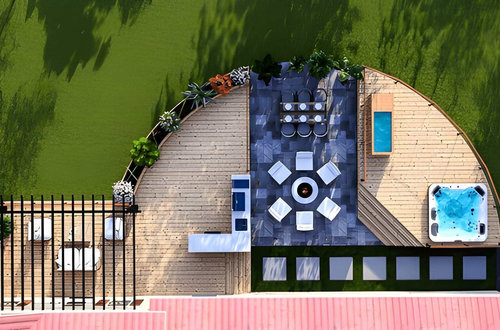

7 Weekend DIY Projects by decoratoradvice That Add Real Value to Your Home
Most homeowners think adding value to their home means hiring a contractor and spending thousands. That’s not always true. A well-chosen DIY project — done on a Saturday or Sunday — can improve how your home looks, functions, and appraises, without the wait times or the markup.
According to the 2024 National Association of Realtors Remodeling Impact Report, projects like minor kitchen refreshes and bathroom updates consistently rank among the highest in cost recovery. The good news: many of these can be done yourself.
This guide covers 7 weekend DIY projects that US homeowners can realistically start and finish in one or two days. Each one is chosen based on return on investment, difficulty level, and how much it improves day-to-day life in the home. Whether you rent a drill once a year or keep a full workshop in the garage, at least a few of these will fit your skill level.
Which DIY Projects Give You the Best Return?
Before picking up a tool, it helps to know what actually moves the needle on home value. Here’s a quick breakdown:
| Project | Avg. DIY Cost | Value Added (Est.) | Difficulty |
| Fresh interior paint | $150–$300 | $1,000–$2,500 | Beginner |
| Cabinet hardware swap | $50–$120 | $500–$1,200 | Beginner |
| Smart home device install | $200–$600 | $1,000–$3,000 | Beginner–Intermediate |
| Bathroom caulk & grout refresh | $30–$80 | $400–$900 | Beginner |
| Attic insulation (DIY kit) | $300–$700 | $1,500–$3,000 | Intermediate |
| Backyard raised garden bed | $100–$250 | Lifestyle + $500–$1,500 | Beginner |
| Interior door hardware upgrade | $80–$200 | $600–$1,200 | Beginner |
7 Weekend DIY Projects Worth Your Time
1. Repaint One Room — The DIY Project With the Biggest Visual Payoff
Fresh paint is the most cost-effective DIY upgrade you can make. A gallon of quality interior paint runs $35–$60, and a single weekend is enough to do a full room including trim.
The color matters. In 2024, Sherwin-Williams data showed that homes listed with light greige or warm white interiors sold faster than those with dated beige tones. For living spaces, go neutral. For accent walls, go intentional.
What you need: Drop cloth, painter’s tape, 2.5″ angled brush, 9″ roller, extension pole, primer (if changing from dark to light), and good lighting to catch drips.
Time: 6–10 hours over a weekend including drying time between coats.
2. Swap Cabinet Hardware — A Small DIY Change That Reads as a Full Renovation
Brass is back. So is matte black. Outdated brass from the ’90s is not.
Pulling old cabinet knobs and drawer pulls and replacing them with updated hardware takes about two hours for a full kitchen. You don’t need to repaint the cabinets. The hardware does the visual work.
This counts as a renovation in the eyes of potential buyers — it signals that someone pays attention to the details. It’s also one of the easiest changes to reverse if you change your mind.
What you need: Screwdriver (or drill), replacement hardware, optional template tool for consistent hole spacing.
Time: 2–3 hours.
3. Install Smart Home Devices — A DIY Upgrade Buyers Pay a Premium For
A 2023 study by Coldwell Banker found that 77% of US homebuyers preferred a home with smart technology already installed. Smart thermostats, video doorbells, and smart locks are all DIY-installable in under two hours each.
A smart home setup doesn’t require rewiring or a contractor. Most devices connect to existing wiring (like your doorbell’s two wires) or run on batteries. The Google Nest Thermostat and Ring Video Doorbell are both designed for DIY install with included hardware.
These devices also reduce energy costs. The EPA estimates the Nest thermostat saves users an average of 10–12% on heating bills.
What you need: The device, a screwdriver, and a smartphone.
Time: 1–2 hours per device.
4. Refresh Bathroom Caulk and Grout — The DIY Fix That Eliminates the “Old House” Look
Pink grout. Black mold lines around the tub. These details make buyers walk away from otherwise solid homes.
Recaulking a bathtub or shower takes about 90 minutes and $30 in materials. Regrouting floor tiles adds another afternoon. The result looks like a bathroom renovation without touching a single tile.
This is one of the highest ROI DIY projects per dollar spent — it removes a major buyer objection for a fraction of the cost of a bathroom remodel (which averages $11,000 nationally, per Remodeling Magazine’s 2024 Cost vs. Value report).
What you need: Grout saw or oscillating tool, caulk remover, new caulk (mold-resistant), grout, grout float, sealer.
Time: 3–5 hours depending on scope.
5. Add a DIY Raised Garden Bed — Outdoor Value That Shows Up Fast
Curb appeal accounts for up to 7% of a home’s sale price, according to a study published in the Journal of Real Estate Finance and Economics. A tidy backyard with intentional garden beds signals that a home has been cared for.
A cedar raised bed (4’x8′) costs about $100–$150 in materials and takes a Saturday morning to build. You don’t need to be a woodworker. Four boards, eight screws, and a drill.
Fill it with topsoil and compost, and by the time you’re ready to sell, you’ve got a producing kitchen garden or a polished landscaping feature.
What you need: Cedar 2×6 boards (cut to size at the hardware store), deck screws, drill, landscape fabric, topsoil, compost mix.
Time: 3–4 hours including filling.
6. Upgrade Interior Door Hardware — A DIY Detail That Ties a Whole Home Together
Interior door knobs and hinges are like the buttons on a dress shirt. Nobody notices good ones. Everyone notices bad ones — loose, mismatched, or rusty hardware reads as neglect.
A standard passage knob set runs $20–$40. Replacing all the hardware in a 3-bedroom home takes an afternoon. Matching the finish to your cabinet hardware (see Project 2) creates a consistency that interior designers charge real money to achieve.
Apply these decoration tips to guide your finish selection: if your kitchen has matte black pulls, carry that through to door hardware. If you went with brushed nickel, stay in that family throughout the home.
What you need: New door hardware sets, screwdriver or drill, possibly a chisel if the latch plate doesn’t align.
Time: 4–6 hours for a full home.
7. Improve Your Living Room Layout — A Free DIY Move That Changes Everything
This one costs nothing. Rearranging furniture — or removing pieces — is one of the most overlooked DIY projects because it doesn’t involve buying anything.
A well-arranged living room has a clear focal point (fireplace, TV, or window), at least 36 inches of walking clearance between furniture, and no “floating” pieces pushed against every wall. Most American living rooms violate at least two of those rules.
If you’re prepping to sell, this matters even more. A cluttered or awkward layout photographs poorly and makes spaces feel smaller than they are. Pull furniture off the walls. Create conversation groupings. Use a rug to anchor the seating area.
What you need: Measuring tape, graph paper or a free app like RoomSketcher.
Time: 2–4 hours including moving and adjusting.
DIY Project Difficulty & Weekend Timeline
| Project | Saturday | Sunday | Skill Level |
| Repaint a room | Prep + first coat | Second coat + cleanup | Beginner |
| Cabinet hardware swap | Full project | — | Beginner |
| Smart home install | Full project | — | Beginner |
| Caulk & grout refresh | Full project | Sealing (if needed) | Beginner |
| Raised garden bed | Build + fill | Plant or mulch | Beginner |
| Door hardware upgrade | Full project | — | Beginner |
| Living room layout | Full project | — | No tools required |
FAQ: DIY Home Projects
Which DIY home project adds the most value? Minor kitchen updates — including cabinet hardware, paint, and fixtures — consistently rank highest in cost recovery. The 2024 Remodeling Magazine Cost vs. Value report shows minor kitchen remodels recoup around 96% of costs at resale.
Can DIY projects hurt home value? Yes, if done poorly. Uneven paint, improperly installed fixtures, or unpermitted work can raise red flags during a home inspection. Stick to cosmetic projects unless you have confirmed skills in structural or electrical work.
How much should I budget for weekend DIY projects? Most cosmetic DIY projects run between $50 and $500. Smart home installs run higher. The projects on this list average under $300 total if done in sequence.
Do I need permits for these DIY projects? None of the 7 projects above require permits in most US jurisdictions. Painting, hardware swaps, garden beds, and device installs are all permit-exempt. Always check your local municipality before doing any work that involves electrical, plumbing, or structural changes.
What tools do I need to get started? A drill/driver, screwdriver set, painter’s tape, measuring tape, and a level cover about 80% of beginner Craft projects.
Final Word
The projects on this list were chosen because they’re realistic for a single weekend, don’t require professional skills, and produce visible results that hold up over time. You don’t need to tackle all seven at once. Pick the one that matches your home’s biggest weak point and start there.
Good decoration choices — hardware finishes, paint colors, furniture placement — compound over time. Each project makes the next one easier to see.

Jessica X
Writer at DecoratorAdvice com, sharing practical home design insights, décor trends, and expert tips to help readers create beautiful, functional living spaces.

You May Also Like

8 decoradtech smart home ideas by decoratoradvice That Actually Lower Your Utility Bills