
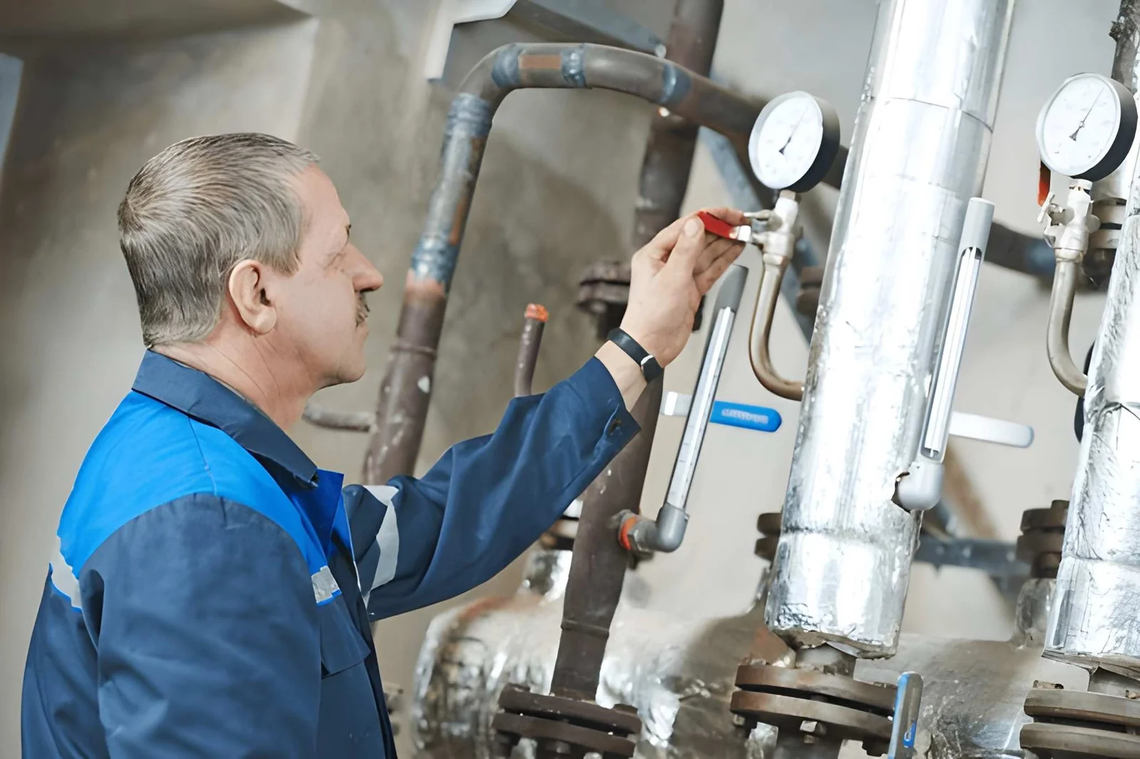
How Do Seasonal Temperature Changes Affect Residential Plumbing Systems?
Plumbing has no off season. It just changes its problems. In January a pipe in the garage wall freezes. In April the thaw sends the water pressure up and exposes a weak joint. In July the pipes sweat, the irrigation runs, and tree roots go looking for water in the drain line. By October, an outdoor tap you forgot about waits for the first frost. So how do seasonal temperature changes affect residential plumbing systems? Temperature changes the water inside the pipes, the pipes themselves, and the ground around them. This guide explains each effect in plain language. You will find a quick answer, a season-by-season table, a short explanation of why frozen pipes burst, a table of high-risk locations, a yearly checklist, and a short FAQ. A flashlight and an hour each season will cover most of it.
How Do Seasonal Temperature Changes Affect Residential Plumbing Systems?
Cold can freeze water and burst pipes, heat expands pipes and hot water, and the swings between seasons stress joints, seals, and buried lines. Winter brings freeze damage, spring brings thaw and pressure problems, summer brings higher use and condensation, and autumn is the time to prepare.
What Does Each Season Do?
| Season | Main Effect | Typical Problem | What to Do |
|---|---|---|---|
| Winter | Water freezes and pipes cool | Frozen or burst pipes, frozen outdoor taps | Insulate pipes, seal drafts, protect outdoor taps |
| Spring | Thaw, rain, rising groundwater | Leaks revealed after freezing, drain backups, sump pump load | Check for leaks and test the sump pump |
| Summer | Heat, higher use, humidity | Sweating pipes, irrigation leaks, root intrusion in drains | Inspect irrigation and watch drain flow |
| Autumn | Falling temperatures | Forgotten outdoor lines, clogged gutters and drains | Drain hoses and clear debris |
Plastic pipes expand and contract more than metal pipes, so long runs need room to move. Hot water also expands as it heats, which is why water heaters use pressure relief valves and sometimes expansion tanks.
Why Do Frozen Pipes Burst?
Water expands by about 9 percent as it freezes, but the ice itself is not the main culprit. Once ice fully blocks a pipe, further freezing raises water pressure between the blockage and a closed faucet, and that pressure breaks the pipe, usually where little ice has formed. This is why the burst can appear in a heated room while the freeze happened in an unheated wall or attic. Normal residential pressure is typically under 100 psi, while medium grade copper tubing can burst at around 3,000 psi, so the pressure from the ice blockage is a serious force.
Where Is Your Plumbing Most at Risk?
| Location | Risk | Fix |
|---|---|---|
| Attic and crawlspace pipes | Cold air through cracks or openings | Seal gaps and insulate |
| Exterior walls | Pipes near uninsulated walls | Add insulation, keep cabinet doors open on cold nights |
| Garage and basement | Unheated zones | Heat or insulate exposed lines |
| Outdoor taps and irrigation | First to freeze | Disconnect hoses and drain the lines |
| Buried supply and sewer lines | Soil movement and roots | Inspect if flow slows or pressure drops |
| Water heater | Heat cycles and pressure | Test the relief valve as advised by the manufacturer |
What Is a Yearly Plumbing Checklist?
- Autumn: Disconnect hoses, drain outdoor lines, insulate exposed pipes, and clear gutters and drains.
- Before a cold snap: Open cabinet doors under sinks on exterior walls. Letting vulnerable faucets drip slightly relieves pressure, as an open faucet prevents the dangerous buildup. Leave drips on both hot and cold lines of vulnerable taps.
- If away in winter: Keep the indoor temperature above 62°F (17°C) and shut off the water at the source if possible.
- Spring: Check the meter for movement when nothing is running, and inspect pipes, joints, and fixtures for new leaks.
- Summer: Check irrigation, watch for sweating pipes, and report slow drains early.
- If a pipe freezes: Open the faucet and call a plumber. Warm the pipe slowly, starting near the faucet, and never use open flames.
Frequently Asked Questions
Do pipes burst when they freeze or when they thaw?
They burst under pressure while frozen, but the damage often shows only after the thaw.
Is dripping a faucet wasteful?
A slight drip on vulnerable lines costs little compared with a burst pipe.
Can heat damage plumbing too?
Yes. Heat can stress joints and plastic fittings, and a faulty relief valve on a water heater can be dangerous.
Bottom Line
Plumbing problems follow the calendar. Prepare in autumn, protect during cold snaps, check for leaks in spring, and inspect irrigation and drains in summer. Most seasonal damage comes from the pipes you cannot see, so insulate and monitor them.
Must visit https://decoratoradvice.fr/ for temperature affects on plumbing system.

Jessica X
Writer at DecoratorAdvice com, sharing practical home design insights, décor trends, and expert tips to help readers create beautiful, functional living spaces.


You May Also Like
What Happens When Household Drainage Systems Cannot Handle Heavy Rainfall?
What Should You Know About Radon Testing Before Purchasing a Property?