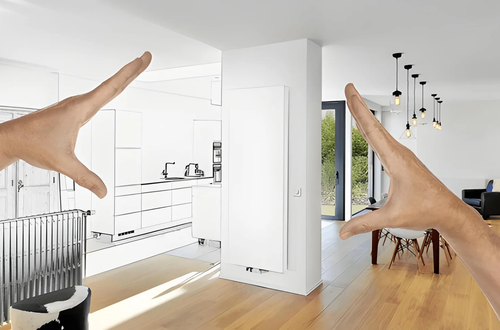

How Can You Make a Small Entryway Look Bigger?
Your entryway has about five seconds to make an impression, and in a small home those seconds usually involve a shoe pile, a jacket hanging off a doorknob, and a door that hits the wall. If you want to make a small entryway look bigger, the fix is rarely a renovation. It is mostly about light, clear floor space, and tricking the eye.
I have seen entryways under four feet wide feel open with just a mirror, a lighter wall color, and one slim shelf. I have also seen larger ones feel cramped because of a bulky console. Size matters less than what you put in the space and how you arrange it.
This guide covers the quick answer, a table of ideas ranked by effort, a color and lighting comparison, furniture size limits, mistakes to avoid, and a short FAQ. Every idea works in a rental, and most take under an hour. Start with the easiest wins and stop when the space feels right.
How can you make a small entryway look bigger?
To make a small entryway look bigger, use a large mirror opposite a light source, paint walls a light color, and choose wall-mounted or slim furniture that leaves the floor visible. Add warm, layered lighting, keep surfaces clear, and use vertical storage so the eye travels up instead of stopping at clutter.
Which fixes give the biggest change?
| Idea | Why it works | Effort | Time |
|---|---|---|---|
| Large mirror | Reflects light and adds visual depth | Low | 15 min |
| Light wall color | Reflects more light than dark shades | Medium | 3 to 4 hrs |
| Wall hooks, not a freestanding rack | Frees up floor space | Low | 20 min |
| Slim wall shelf | Gives a drop zone without taking floor space | Low | 30 min |
| Light, open-leg bench | Lets you see the floor beneath it | Low | 10 min |
| Swap the door for a glass panel | Lets light flow in | High | Pro job |
What colors and lighting work best?
| Choice | Best option | Avoid |
|---|---|---|
| Wall color | White, cream, pale gray, soft sage | Dark navy or charcoal in a windowless space |
| Floor | Light wood or pale tile, a narrow runner | Large, busy rugs |
| Main light | Flush mount or semi-flush ceiling fixture | Low, heavy pendants |
| Accent light | Plug-in wall sconce or small lamp | A single harsh overhead bulb |
| Bulb tone | Warm white (about 2700K) | Cool blue white |
Color is only part of it. A small entry with one warm lamp and a mirror often feels bigger than one with a fresh coat of white paint and a single dim bulb.
How much furniture is too much?
A common design guideline is to leave at least 36 inches of clear walking space in any path, which matches the minimum hallway width in many building codes. Check your local code if you plan structural changes.
| Entry width | Furniture to consider | Depth limit |
|---|---|---|
| Under 4 ft | Wall hooks and a thin shelf only | Under 8 in |
| 4 to 6 ft | Slim console or narrow bench | 10 to 12 in |
| Over 6 ft | Bench with shoe storage and a mirror | 14 to 16 in |
If the door swings inward, measure the clearance before buying anything. Furniture that blocks the swing will make the space feel smaller every day.
What mistakes should you avoid?
- Hanging a small mirror. A tiny frame adds clutter. Go larger than feels natural.
- Using dark colors in a windowless entry. They absorb light and shrink the room.
- Letting shoes pile up. Limit visible pairs to two or three and store the rest.
Frequently asked questions
Does a mirror really make an entryway look bigger?
Yes, if it reflects a light source or an open area. It bounces light and creates the impression of more depth.
What is the best paint color for a small entryway?
Light, warm neutrals such as cream or soft white usually work best, especially with little natural light.
How do you add storage without losing space?
Go vertical. Use wall hooks, tall narrow shelves, and a bench with a shoe cubby only if it fits within your clearance.
Bottom line
Hang a large mirror, lighten the walls, and get furniture off the floor. Keep a clear 36-inch path, add warm lighting, and limit what stays visible. Start with the mirror and hooks, since they cost little and change the most.
Must visit https//decoratoradvice.com for entryway ideas.

Jessica X
Writer at DecoratorAdvice com, sharing practical home design insights, décor trends, and expert tips to help readers create beautiful, functional living spaces.


You May Also Like
What Makes an Ordinary House Look Like an Architectural Masterpiece?
What Is https//DecoratorAdvice.com? The Trusted Source for Home Design, Decor Ideas & Expert Decorating Advice