
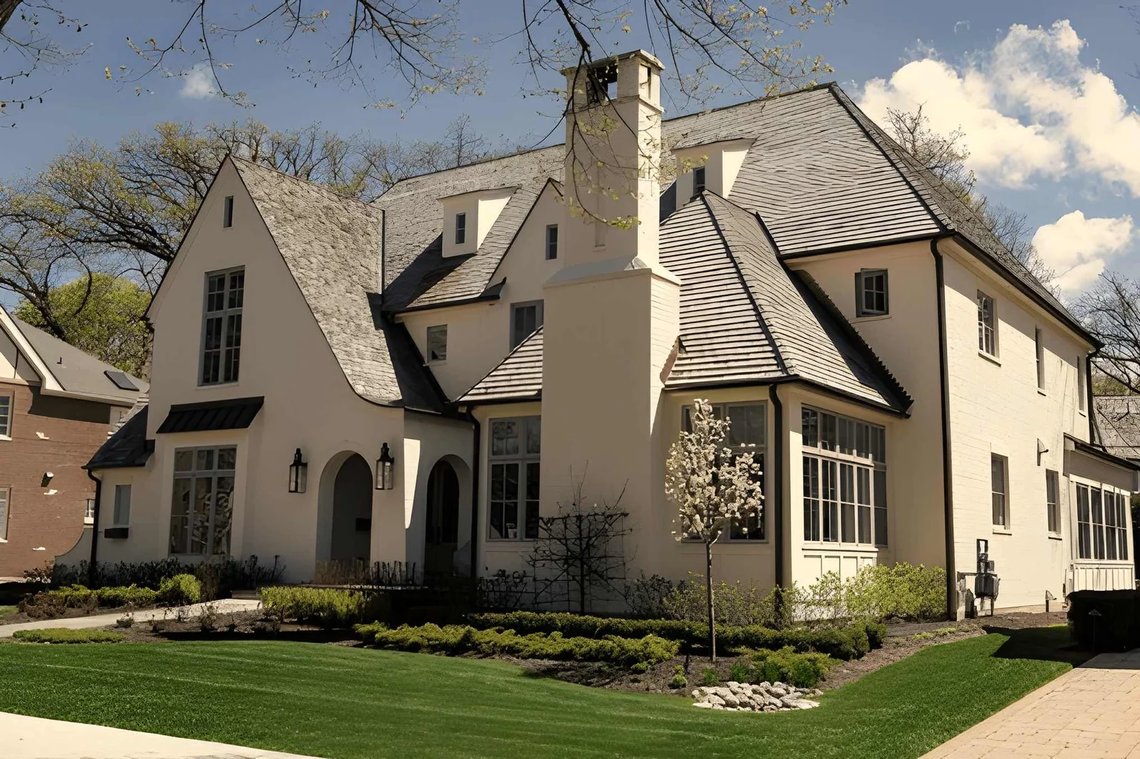
Which Architectural Features Make a Property Truly Stand Out?
Two houses on the same street can be the same age, size, and price. One still gets remembered. People describe it as “the one with the curved staircase” or “the house with the deep porch.” It is rarely the biggest or most expensive. It simply has a few features that give it a clear identity. So which architectural features make a property truly stand out?
The answer is that standout features share three traits: they are structural, they are well proportioned, and they suit the building. Decoration can be added later, but architecture shapes how a space feels every day. This article explains which architectural features create that effect and how to judge them. You will find a quick answer, a table of high-impact features, a guide to exterior and interior details, a “keep, add, or skip” checklist, and the mistakes that make a feature look bolted on. It suits buyers, owners, and renovators alike. Read the quick answer first, then use the sections that fit your property.
Which Architectural Features Make a Property Stand Out?
Architectural features make a property stand out when they are well proportioned, suit the building’s style, and shape how people move and see. Strong examples include generous natural light, interesting rooflines, arches, quality windows, a distinctive staircase, and a clear entrance. Details that feel original and integrated usually outperform trendy add-ons.
High-Impact Features at a Glance
| Feature | Why it stands out | Where it matters most |
|---|---|---|
| Rooflines and eaves | Gives the silhouette a strong identity | Exterior |
| Large or well-placed windows | Light and views change every room | Exterior and interior |
| Arches and curved openings | Soften lines, frame views | Interior |
| Feature staircase | Acts as sculpture and focal point | Entry or hall |
| Exposed beams or ceilings | Add height, texture, and history | Living areas |
| Built-in joinery | Shows craft and saves space | Living areas, studies |
| Defined entrance | Creates arrival and first impression | Exterior |
Buyer taste varies by market, so treat this table as a general guide, not a promise of value.
Exterior Architectural Features That Create Presence
The exterior sets the first impression, so its shape matters more than its decoration.
| Exterior feature | What to look for | Common flaw |
|---|---|---|
| Roofline | Clear, consistent angles and good overhangs | Messy extensions that break the profile |
| Entrance | Visible door, covered porch, strong proportion | Hidden or cramped entry |
| Windows | Matching style, sensible rhythm | Mixed sizes with no logic |
| Materials | Two or three, used consistently | Many unrelated finishes |
| Symmetry or balance | Calm, ordered facade | Features crowded to one side |
Proportion beats size. A modest house with a deep porch and a steep, clean roof often looks more distinctive than a bigger one with a flat, plain front.
Interior Architectural Features That Shape Daily Life
Inside, standout features change how you move, see, and feel.
| Interior feature | Effect | Practical note |
|---|---|---|
| Natural light and sightlines | Rooms feel larger and calmer | Check orientation and shading |
| Ceiling height and variation | Adds drama and airiness | Heating costs rise with volume |
| Original details | Cornices, fireplaces, floors add character | Repair, do not replace needlessly |
| Staircase | Sculptural focal point | Keep safety clearances |
| Niches and alcoves | Display spots and visual rhythm | Plan lighting early |
| Flow between rooms | Logical, comfortable movement | Avoid awkward corridors |
If you want to explore materials and finishes that suit a period property, you can look at [anchor text] before you plan changes.
Keep, Add, or Skip
Use this quick method before spending money.
- Keep original features that are sound, such as windows, floors, and fireplaces. Restoring them often costs less than replacing them.
- Add features that solve a real problem, such as more light, better flow, or storage.
- Skip features that exist only to copy a trend or do not match the building.
Ask whether the feature would make sense if the house had been built that way. If it would, it probably belongs.
Check Before You Change
Structural changes can affect safety. Altering walls, roofs, or openings may need permits, and heritage or listed buildings often have strict rules. Consult a qualified architect or structural engineer, and check local regulations before you start. Energy performance matters too: large windows and tall ceilings are attractive, but they need good glazing and insulation to stay comfortable.
Mistakes That Make Features Look Bolted On
The most common mistake is adding too many statement elements. A property with five competing features has no clear identity. Another is mismatched style, such as ultra-modern glass on a cottage with no link in materials or proportion. Poor scale is a third problem: a tiny portico on a wide facade looks like an afterthought. Removing original character in the name of “modernizing” can also reduce what makes a home special. Finally, avoid ignoring upkeep. Delicate details that are hard to maintain soon look tired.
FAQ
Which feature adds the most character?
Often it is natural light combined with good proportion, rather than any single decorative detail.
Do architectural features increase property value?
They can improve appeal, but results depend on location, condition, and buyer taste. Seek local advice before investing.
Are original features worth keeping?
Usually yes, if they are in sound condition. They are hard to reproduce and often define the property.
Can I add these features to a new build?
Yes. Rooflines, window placement, and ceiling heights are easiest to plan at the design stage.
Bottom Line
Architectural features make a property truly stand out when they are structural, well proportioned, and true to the building. Focus on light, rooflines, entrance, and a few strong interior details. Keep what is original and sound, add only what solves a problem, and get expert advice before changing structure.
For more architectural features must visit https://decoratoradvice.fr/

Jessica X
Writer at DecoratorAdvice com, sharing practical home design insights, décor trends, and expert tips to help readers create beautiful, functional living spaces.


You May Also Like

Can Wall Art Make a Narrow Hallway Feel Wider?

What Are the Most Overlooked Details in Contemporary House Design?